

What Are Desulfurizer Material Handling Equipment? And What Are Their Design Principles?
Desulfurizer material handling equipment is a critical component in modern industrial processes, especially in power plants and other facilities that employ flue gas desulfurization (FGD) systems. These systems are fundamental to reducing sulfur dioxide emissions, a key measure in environmental protection and compliance with regulatory standards. The equipment responsible for transporting desulfurizer materials—such as limestone or other absorbents—must be efficient, reliable, and capable of handling the unique characteristics of these materials. This article will explore the types of equipment used for this purpose and the underlying design principles that ensure their effectiveness.
Key Components of Desulfurizer Material Handling Systems
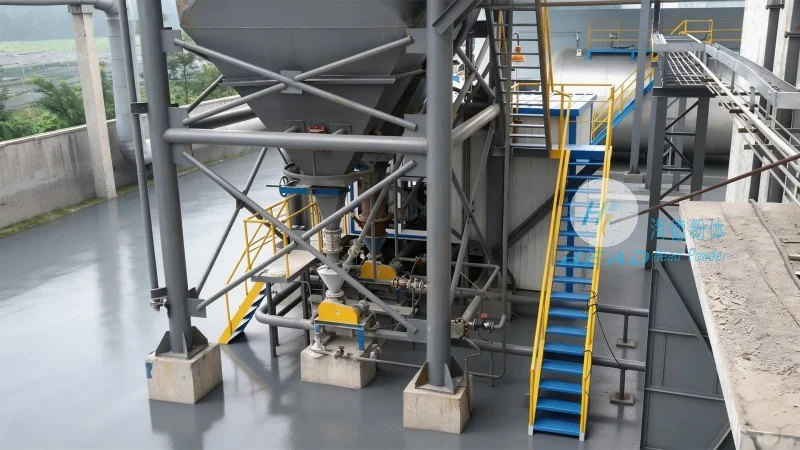
The desulfurizer material handling system typically comprises several interconnected components, each serving a specific function in the material flow. The primary components include feeders, conveyors, storage silos, and control systems. Feeders are tasked with uniformly distributing the desulfurizer material from the storage silo to the conveyor system. Common types of feeders include rotary valves, vibratory feeders, and screw feeders, each selected based on the material's properties and the required flow rate. Conveyors, such as belt conveyors or pneumatic conveyors, transport the material from the feeder to the injection point in the FGD system. Storage silos are used to store large quantities of desulfurizer material, ensuring a continuous supply and preventing material degradation. Control systems monitor and regulate the flow of material, maintaining consistent operation and preventing overloading or underflow.
Design Principles for Efficient Material Handling
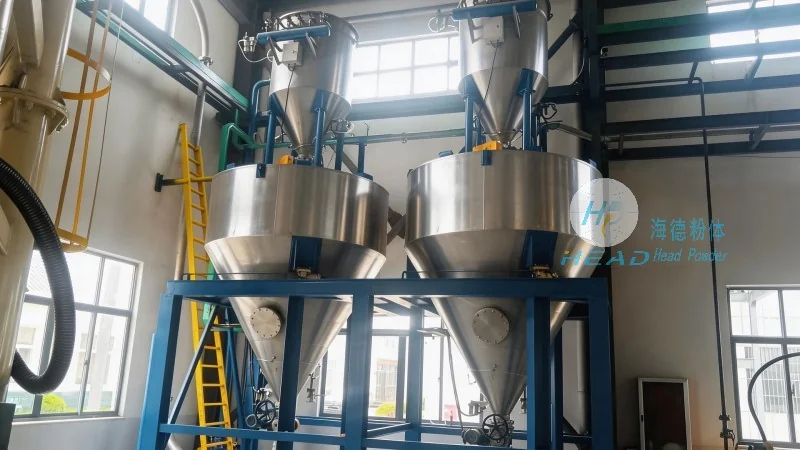
The design of desulfurizer material handling equipment is guided by several key principles to ensure optimal performance and reliability. One of the primary principles is the minimization of material degradation. Desulfurizer materials, particularly limestone, are susceptible to breakage and dust formation during handling. To mitigate this, equipment is engineered with smooth surfaces, gentle material flow paths, and appropriate speed controls. For instance, belt conveyors utilize wide, smooth belts to reduce friction and prevent material crushing, while pneumatic conveyors employ low-velocity air to minimize particle breakage. Another critical principle is the prevention of material buildup and blockages. This is achieved through the use of self-cleaning mechanisms, such as rotary valves with adjustable vanes, and regular maintenance schedules. The equipment must also be designed to accommodate the varying moisture content of the desulfurizer material, as moisture can affect flow characteristics and equipment performance. This is often addressed by incorporating drying or moisture control systems into the storage and handling process.
Types of Desulfurizer Material Handling Equipment
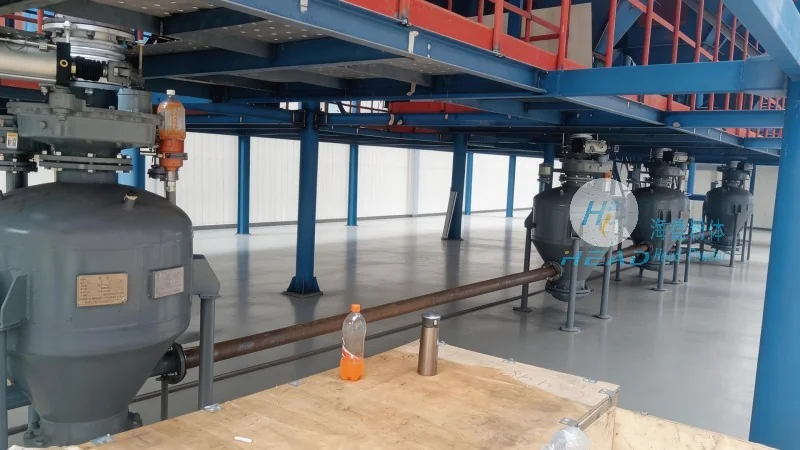
Several types of equipment are commonly utilized for desulfurizer material handling, each with its own advantages and applications. Belt conveyors are one of the most widely used types due to their high capacity and ability to transport materials over long distances. They are suitable for both dry and slightly moist materials and can be equipped with various accessories, such as hoppers and transfer points, to adapt to different operational needs. Pneumatic conveyors, on the other hand, use air to transport material in a closed system, making them ideal for handling fine powders and preventing dust emissions. These systems are often employed in applications where dust control is a priority, such as in indoor or enclosed environments. Screw conveyors are another option, particularly for handling bulk materials in a vertical or inclined direction. They are compact and can be installed in tight spaces, making them suitable for smaller-scale desulfurization systems. Vibratory feeders are commonly used as the initial step in the material handling process, as they can provide a consistent and controlled flow of material from the storage silo to the conveyor system. These feeders are designed to minimize material segregation and ensure uniform distribution.
Importance of Proper Design and Maintenance
Proper design and regular maintenance are essential for the long-term performance and reliability of desulfurizer material handling equipment. The design must consider the specific characteristics of the desulfurizer material, including its particle size distribution, moisture content, and flow properties. This ensures that the equipment is optimized for the material's behavior, reducing the risk of blockages, wear, and material degradation. Regular maintenance is crucial to prevent equipment failure and ensure consistent operation. This includes routine inspections of components such as bearings, belts, and valves, as well as cleaning and replacement of worn parts. Additionally, the control system must be regularly calibrated to maintain accurate flow measurements and prevent overloading or underflow conditions. By adhering to these practices, facilities can ensure that their desulfurizer material handling systems operate efficiently and reliably, contributing to the overall effectiveness of the flue gas desulfurization process.