

What is a quantitative weighing material conveyor line? What are its design principles?
Quantitative weighing material conveyor lines are advanced industrial systems designed to accurately measure and transport bulk materials. These systems are crucial in various industries, including food processing, chemical manufacturing, and pharmaceutical production, where precise material handling is essential for quality control and operational efficiency.
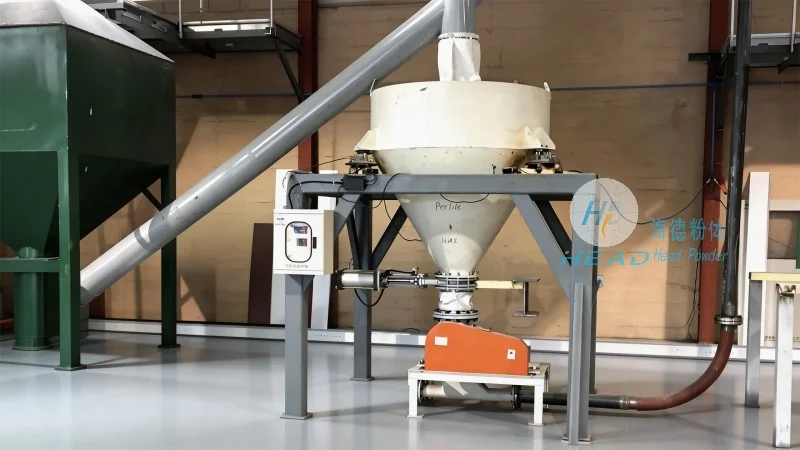
Understanding the Core Function of Quantitative Weighing Material Conveyor Lines
At the heart of these systems lies the integration of weighing technology with material handling mechanisms. The primary objective is to ensure that materials are conveyed and weighed in precise quantities, often for batch processing or inventory management. This precision is achieved through a combination of sensors, control systems, and conveyor components that work in tandem to deliver consistent and reliable results.
The Design Principles Behind Quantitative Weighing Material Conveyor Lines
The design of a quantitative weighing material conveyor line is guided by several key principles aimed at maximizing accuracy, efficiency, and reliability. First, the system must incorporate high-precision load cells or scales that can measure weight with minimal error, typically within a fraction of a percent. Second, the conveyor mechanism must be designed to minimize material spillage and ensure uniform flow, which is critical for accurate weight measurement. Third, the control system plays a vital role in regulating the speed of the conveyor and the timing of material release, ensuring that the correct quantity is delivered at each stage of the process.
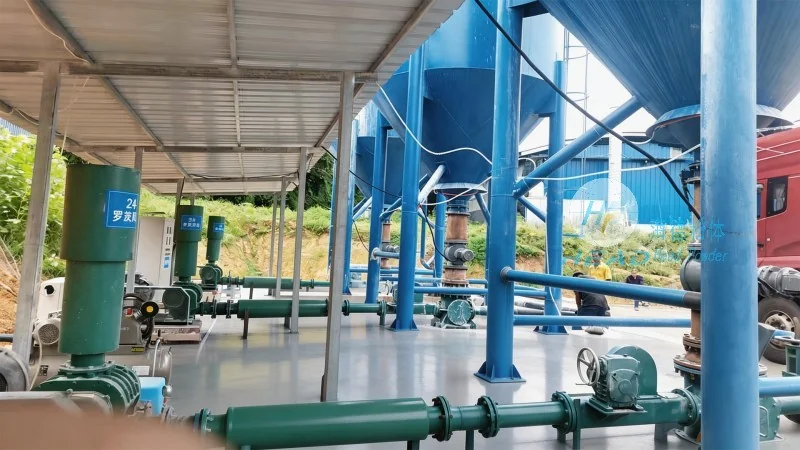
Key Components and Their Roles in the System
Several critical components make up a quantitative weighing material conveyor line. The weighing platform or hopper is where the material is placed for measurement, equipped with load cells that transmit weight data to the control unit. The conveyor system, which may include belt conveyors, screw conveyors, or bucket elevators, transports the material from the weighing platform to the next processing stage. The control unit, often a programmable logic controller (PLC), processes the weight data and adjusts the conveyor speed or material flow rate to achieve the desired quantity. Additionally, sensors such as level detectors or flow meters may be integrated to monitor material levels and flow rates, providing real-time feedback to the control system.
Applications and Industries Benefiting from This Technology
Quantitative weighing material conveyor lines are widely used in industries where consistent material quantities are paramount. In the food industry, for example, they are used to weigh ingredients for recipes, ensuring that each batch meets quality standards. In chemical manufacturing, these systems help in the precise dosing of raw materials, which is crucial for chemical reactions and product consistency. The pharmaceutical industry also relies on such systems for the accurate weighing of active ingredients and excipients, ensuring compliance with regulatory requirements and product safety.
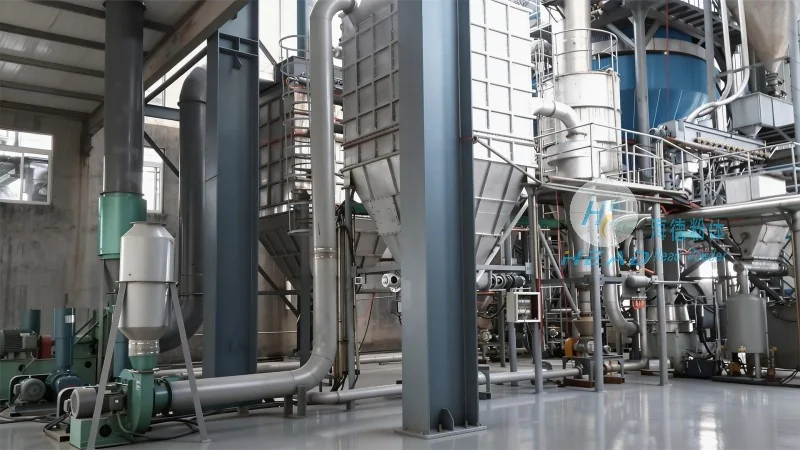
Advantages of Implementing Quantitative Weighing Material Conveyor Lines
Adopting a quantitative weighing material conveyor line offers several advantages for businesses. Firstly, it enhances operational efficiency by reducing the need for manual weighing and batch adjustments, leading to faster production cycles. Secondly, it improves product quality through consistent weight measurement, minimizing variations and waste. Thirdly, it enhances safety by automating material handling processes, reducing the risk of human error and workplace accidents. Finally, these systems can contribute to cost savings by optimizing material usage and reducing waste, which is particularly important in industries dealing with expensive raw materials.
Customization and Integration with Existing Systems
Shandong HeadPowder Engineering Co., Ltd. specializes in designing and manufacturing quantitative weighing material conveyor lines tailored to the specific needs of clients. The company, known as headpowder, offers customized solutions that can be integrated with existing production lines or new facilities. Their expertise lies in understanding the unique requirements of each industry and providing systems that meet both functional and regulatory standards. With a focus on precision and reliability, headpowder ensures that their conveyor lines are built to withstand the demands of industrial environments, providing long-term performance and durability.