

What is a Ton Bag Packaging Material Conveying Line? What Are Its Design Principles?
For industrial facilities dealing with bulk materials, efficient material handling and packaging solutions are crucial for optimizing workflow and ensuring product integrity. One such solution is the ton bag packaging material conveying line, a specialized system designed to streamline the process of transporting, weighing, and packaging bulk materials into ton bags. This article will explore the definition, key components, and design principles of a ton bag packaging material conveying line, providing insights into how such systems enhance operational efficiency in material handling applications, developed by Shandong HeadPowder Engineering Co., Ltd., a leading manufacturer based in Shandong, China.
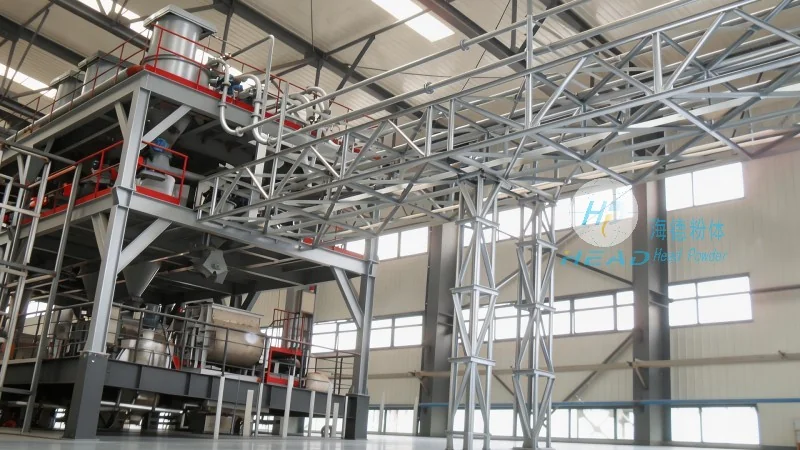
Understanding the Ton Bag Packaging Material Conveying Line
A ton bag packaging material conveying line is an integrated system that combines material handling, weighing, and packaging technologies to facilitate the efficient processing of bulk materials. Typically used in industries such as mining, agriculture, and chemical processing, this line is designed to handle large volumes of materials and convert them into standardized ton bags for storage, transport, or further processing. The system integrates various components, including conveyors, feeders, weighers, and packaging machines, to create a seamless workflow from raw material input to finished product output.
Key Components of the System
The ton bag packaging material conveying line consists of several critical components that work in harmony to achieve its objectives. The primary components include:
1. Conveyor System: This is the backbone of the line, responsible for transporting bulk materials from the source to the packaging station. Depending on the material characteristics and processing requirements, different types of conveyors may be used, such as belt conveyors, screw conveyors, or pneumatic conveyors. The conveyor system ensures that materials are moved smoothly and consistently, minimizing downtime and material loss.
2. Feeder and Dosing Equipment: After the material is conveyed to the processing area, a feeder or dosing device is used to regulate the flow of material into the weighing and packaging units. This component is essential for achieving accurate weight measurement and consistent bag filling, as it controls the rate at which material is fed into the system. The feeder may include mechanisms like rotary valves, vibratory feeders, or screw feeders, depending on the material's properties.
3. Weighing System: The weighing system is a critical part of the ton bag packaging line, as it ensures that each ton bag contains the exact required weight of material. Modern weighing systems often use load cells and digital indicators to provide precise weight measurements, with features like automatic calibration and overload protection. The weighing system may be integrated with the conveyor and feeder to create a closed-loop control system that adjusts the material flow based on the target weight.
4. Packaging Machine: The packaging machine is responsible for filling the ton bag with the measured material and sealing it to prevent spillage or contamination. These machines are typically equipped with bag openers, fill hoppers, and sealing mechanisms. Some advanced models may include features like bag stitching, labeling, or even integrated quality control sensors to ensure the bags meet specific standards.
5. Control System: A sophisticated control system manages all aspects of the ton bag packaging material conveying line. This system uses programmable logic controllers (PLCs) or industrial computers to coordinate the operation of the conveyor, feeder, weigher, and packaging machine. The control system allows for real-time monitoring of the process, data logging, and remote operation, enhancing operational flexibility and reducing the need for manual intervention.
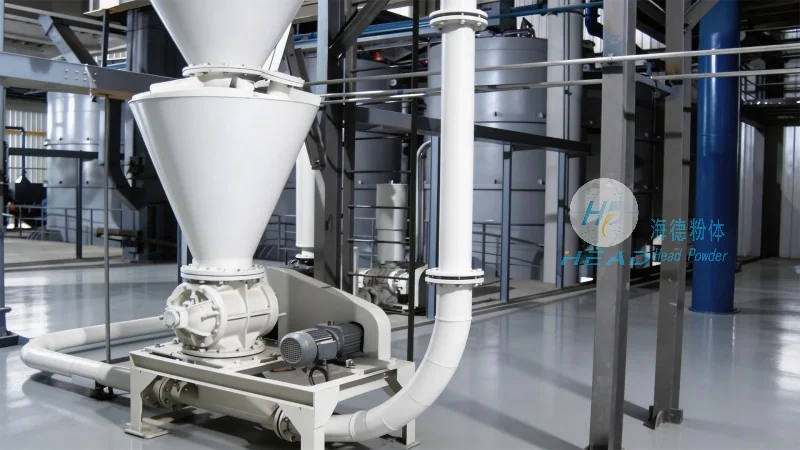
Design Principles of the Ton Bag Packaging Material Conveying Line
The design of a ton bag packaging material conveying line is guided by several key principles aimed at maximizing efficiency, reliability, and cost-effectiveness. These principles include:
1. Modularity and Flexibility: The system is designed to be modular, allowing for easy integration of different components and adaptation to changing production requirements. This flexibility enables the line to handle a wide range of materials and production volumes without significant modifications. The modular design also facilitates maintenance and replacement of individual components, reducing downtime and maintenance costs.
2. Integration and Automation: The line is designed with a high degree of integration, where each component communicates with the others to create a cohesive system. Automation is a core principle, as it minimizes human intervention, reduces errors, and improves consistency in the packaging process. Automated systems can also provide real-time data and analytics, helping operators optimize the process and identify areas for improvement.
3. Material Handling Efficiency: The design prioritizes efficient material flow, minimizing bottlenecks and ensuring that materials move through the system quickly and smoothly. This includes optimizing the layout of the conveyor system, the placement of the feeder and weigher, and the integration of the packaging machine. Efficient material handling reduces energy consumption and operational costs while increasing throughput.
4. Accuracy and Reliability: The design emphasizes high accuracy in weight measurement and consistent bag filling. This is achieved through precise calibration of the weighing system, reliable feeder control, and robust packaging mechanisms. The system is also designed to be durable and reliable, with features like overload protection, emergency stops, and regular maintenance schedules to ensure long-term performance.
5. Safety and Compliance: Safety is a critical consideration in the design of the ton bag packaging material conveying line. The system incorporates various safety features, such as emergency stop buttons, safety interlocks, and protective guards, to prevent accidents and ensure compliance with industrial safety regulations. Additionally, the design may include features to meet specific industry standards, such as those related to material handling or packaging.
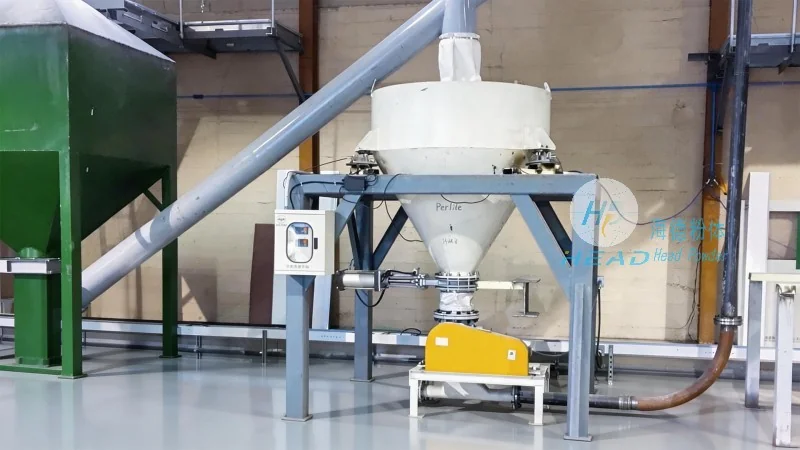
Applications and Benefits
The ton bag packaging material conveying line is widely used in various industries due to its ability to handle large volumes of bulk materials efficiently. Some common applications include:
1. Mining and Minerals: In the mining industry, this line is used to process and package minerals such as coal, ore, and sand into ton bags for transport to processing facilities or customers. The system can handle abrasive and heavy materials, ensuring durability and reliability.
2. Agriculture: Agricultural applications include packaging fertilizers, seeds, and other agricultural products into ton bags for distribution to farms or markets. The system can handle various grain and powder materials, with adjustable settings to accommodate different product types.
3. Chemical Processing: In the chemical industry, the line is used to package chemicals, powders, and other materials into ton bags for storage or transport. The system is designed to handle corrosive or hazardous materials, with appropriate safety features and material compatibility.
4. Construction Materials: Construction materials like cement, sand, and gravel are often packaged into ton bags using this system. The line can handle heavy and abrasive materials, ensuring consistent and accurate packaging for construction projects.
By implementing a ton bag packaging material conveying line, companies can achieve significant benefits, including increased production efficiency, reduced labor costs, improved product quality, and enhanced safety. The system's ability to handle large volumes of materials and maintain consistent weight and packaging standards makes it an essential component for modern material handling operations.
Conclusion
The ton bag packaging material conveying line is a sophisticated and efficient system designed to streamline the process of handling and packaging bulk materials. By integrating various components such as conveyors, feeders, weighers, and packaging machines, this line ensures accurate and consistent processing of materials into ton bags. The design principles of modularity, automation, efficiency, accuracy, and safety make it a reliable solution for industries dealing with bulk materials. As a result, the ton bag packaging material conveying line plays a crucial role in optimizing operational performance and meeting the demands of modern material handling applications.