

What is an Automatic Weighing and Feeding Powder Material Conveyor? Exploring Its Design Principles
Welcome to Shandong HeadPowder Engineering Co., Ltd., a leading manufacturer specializing in advanced powder handling equipment. In this article, we will delve into the world of automatic weighing and feeding powder material conveyors, exploring what they are and the fundamental design principles that underpin their operation.
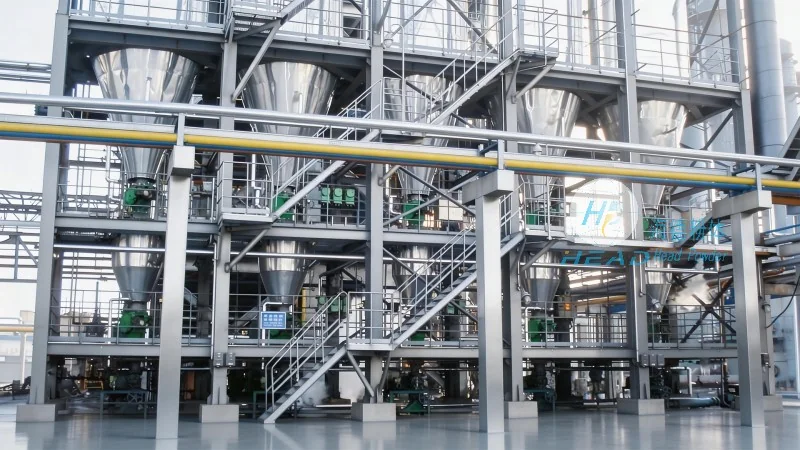
Understanding the Automatic Weighing and Feeding Powder Material Conveyor
An automatic weighing and feeding powder material conveyor is a sophisticated industrial machine designed to handle, measure, and transport bulk powders with high precision and efficiency. This equipment is widely used in various industries, including pharmaceuticals, food processing, chemicals, and cosmetics, where accurate dosing and consistent material flow are critical to production quality and safety.
At the core of this system is the integration of weighing technology with material handling mechanisms. The conveyor is engineered to ensure that powders are weighed precisely before being transferred to the next stage of the production process. This automation eliminates manual errors, reduces labor costs, and enhances overall operational efficiency.
Key Components and Functionalities
The design of an automatic weighing and feeding powder material conveyor typically includes several key components that work in harmony to achieve accurate and reliable operation. These components may include:
1. Weighing Hopper: A container where the powder is loaded and weighed. The hopper is often equipped with load cells that convert the weight of the material into an electrical signal for measurement.
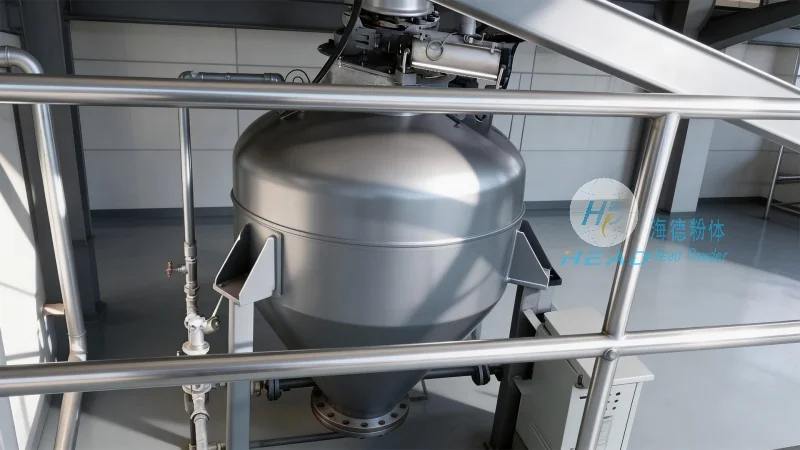
2. Feeding Mechanism: This component controls the flow of powder from the weighing hopper to the discharge point. It may include screws, augers, or vibrating devices that regulate the material flow rate based on the weighing feedback.
3. Control System: An intelligent control unit that processes the weighing data and adjusts the feeding mechanism in real-time. Modern systems often incorporate programmable logic controllers (PLCs) or advanced software to optimize performance and adapt to varying material properties.
4. Conveyor System: The mechanism that transports the weighed powder from the hopper to the discharge point, such as a belt conveyor or a pneumatic system, depending on the application requirements.
Design Principles for Precision and Reliability
The design principles of an automatic weighing and feeding powder material conveyor are centered on achieving high accuracy, consistent performance, and robustness. Several key principles guide the engineering of these systems:
1. Isolation and Calibration: To ensure accurate measurements, the weighing system must be isolated from external forces and regularly calibrated. This involves using high-precision load cells and calibration procedures to maintain measurement accuracy over time.
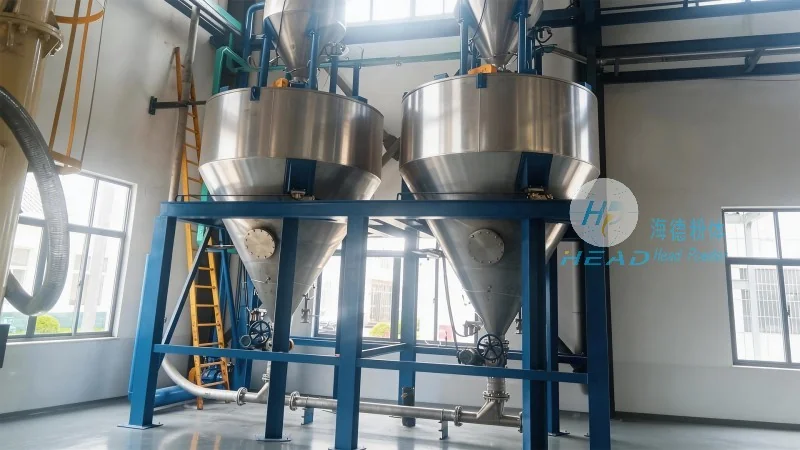
2. Material Compatibility: The design considers the specific properties of the powders being handled, such as particle size, flowability, and moisture content. Materials are selected for the hopper, feeding mechanism, and conveyor components to prevent material buildup, clogging, or degradation.
3. Feedback Control: The system employs a closed-loop control mechanism where the weighing data is continuously monitored and used to adjust the feeding rate. This feedback loop ensures that the actual weight matches the target weight, minimizing deviations and improving process consistency.
4. Safety and Maintenance: The design incorporates safety features to protect operators and equipment, such as emergency stop buttons and overload protection. Additionally, the equipment is designed for easy maintenance, with accessible components and clear operational indicators.
Applications and Benefits in Industrial Settings
Automatic weighing and feeding powder material conveyors offer numerous benefits across various industrial applications. Some of the key advantages include:
1. Enhanced Product Quality: By ensuring precise dosing, these systems help maintain consistent product quality, reducing batch-to-batch variations and improving customer satisfaction.
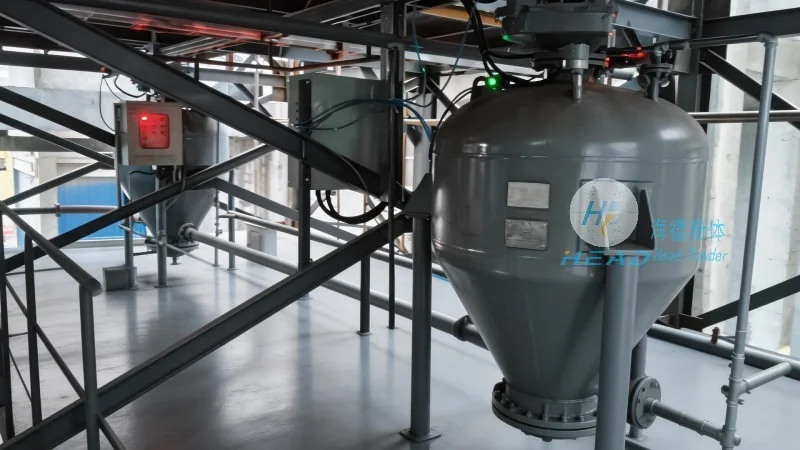
2. Increased Operational Efficiency: Automation reduces the need for manual intervention, leading to faster production cycles and lower labor costs.
3. Improved Safety: The elimination of manual handling of powders minimizes the risk of dust exposure and other safety hazards.
4. Scalability and Flexibility: These systems can be customized to handle different powder types and production volumes, making them suitable for both small-scale and large-scale operations.
Conclusion
In conclusion, the automatic weighing and feeding powder material conveyor is a vital piece of equipment in modern industrial processes. By integrating advanced weighing technology with efficient material handling, it enables precise, reliable, and automated powder processing. As a leading manufacturer, Shandong HeadPowder Engineering Co., Ltd. specializes in developing such systems tailored to meet the specific needs of various industries, ensuring optimal performance and long-term reliability.