

What is Hydrogen Chloride Material Handling? And What Are the Design Principles?
Hydrogen chloride (HCl) is a highly corrosive and toxic gas commonly used in various industrial processes, including chemical manufacturing, pharmaceutical production, and water treatment. Proper material handling of HCl is crucial to ensure safety, efficiency, and compliance with environmental regulations. This article explores the fundamentals of hydrogen chloride material handling and the key design principles that underpin effective systems.
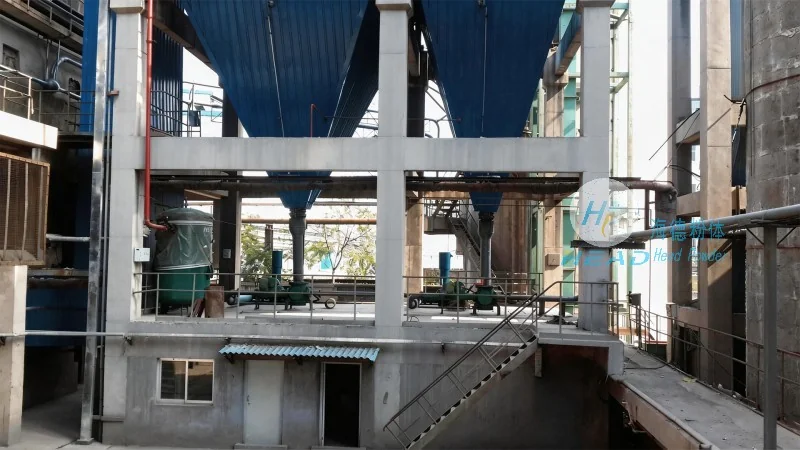
Understanding Hydrogen Chloride Material Handling
Hydrogen chloride material handling refers to the processes and equipment used to transport, store, and manage HCl gas or its aqueous solutions (hydrochloric acid) from production sites to end-use applications. Due to HCl's aggressive nature, handling it requires specialized materials, robust engineering, and stringent safety protocols. The primary goal is to minimize exposure risks to personnel, prevent equipment corrosion, and maintain the integrity of the gas or acid throughout the handling process.
Key Design Principles for Hydrogen Chloride Material Handling Systems
The design of hydrogen chloride material handling systems is governed by several critical principles that address safety, durability, and operational efficiency. These principles are tailored to the unique properties of HCl, which is a strong acid with a pKa of about -7, making it highly corrosive to metals like steel, aluminum, and copper. To mitigate corrosion, materials such as Hastelloy, titanium, or specialized polymeric components are typically employed in system construction.
One of the foundational design principles is the use of pressure vessels and pipelines made from corrosion-resistant materials. For instance, Hastelloy C-276 or titanium is often preferred for high-pressure HCl storage tanks and transport lines, as these alloys can withstand the acid's aggressive attack. Additionally, the system must incorporate proper venting and pressure relief mechanisms to prevent over-pressurization, which is critical given HCl's tendency to generate heat during exothermic reactions.
Another essential design principle is the implementation of containment and leak detection systems. Hydrogen chloride is a toxic gas that can cause severe respiratory and skin irritation, so any potential leaks must be detected and contained immediately. This often involves the use of gas detection sensors, automatic shut-off valves, and secondary containment vessels. The design also emphasizes the use of double-walled or jacketed pipelines to prevent accidental spills and to provide a secondary barrier in case of primary pipe failure.
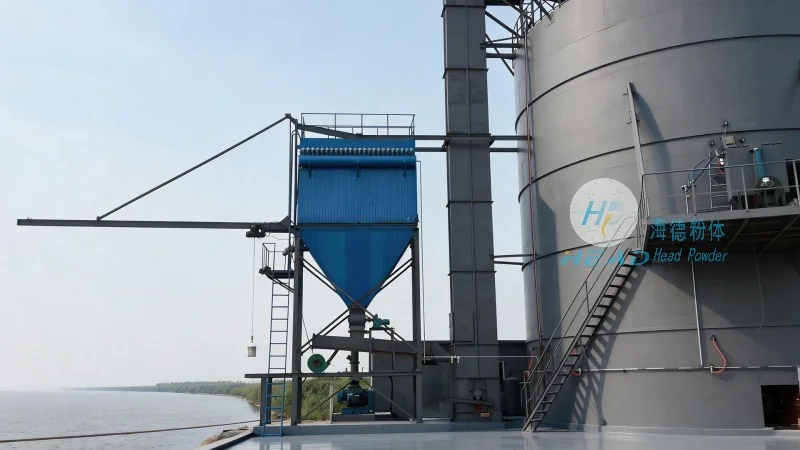
Components and Equipment in Hydrogen Chloride Material Handling
Effective hydrogen chloride material handling relies on a combination of specialized equipment and components. Key elements include high-pressure storage tanks, pressure regulators, flow meters, and transfer pumps. The storage tanks are typically designed with a capacity ranging from several hundred liters to several thousand liters, depending on the scale of the operation. Pressure regulators are used to maintain consistent pressure levels within the system, ensuring safe and controlled flow of HCl to downstream processes.
Flow meters are critical for monitoring the volume of HCl being transferred, which is essential for process control and inventory management. Transfer pumps, such as diaphragm or magnetic drive pumps, are often used to move HCl from storage tanks to processing units. These pumps are chosen for their ability to handle corrosive fluids without internal seals that could be compromised by the acid, thus preventing contamination and maintaining system integrity.
Valves and fittings are also integral components, with materials like PTFE (polytetrafluoroethylene) or PFA (perfluoroalkoxy) being common for their resistance to HCl. These components are designed to provide tight seals and prevent leaks, which is vital for maintaining the safety and efficiency of the system. Additionally, the system may include temperature control devices to manage the exothermic reactions that can occur when HCl is handled, as excessive heat can degrade the material and reduce the lifespan of the equipment.
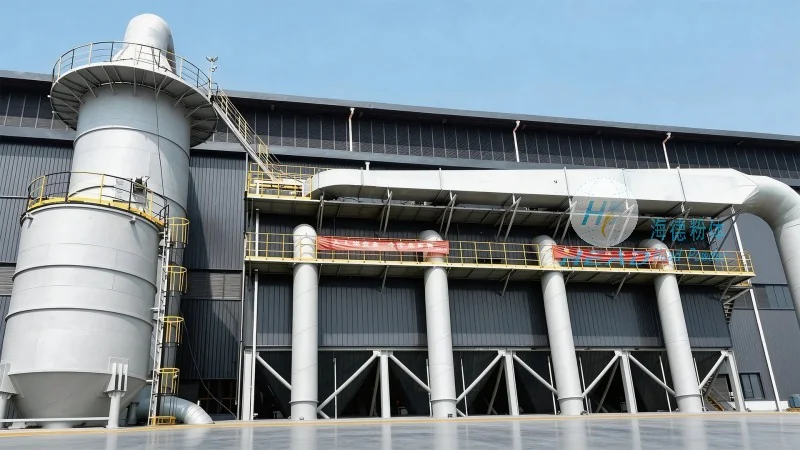
The Role of HeadPowder in Hydrogen Chloride Material Handling Solutions
Shandong HeadPowder Engineering Co., Ltd., a leading provider of industrial engineering solutions, specializes in designing and manufacturing customized hydrogen chloride material handling systems. With a strong focus on safety, durability, and compliance, HeadPowder leverages advanced materials and engineering expertise to deliver solutions tailored to the unique needs of its clients. The company's headquarters is located in Shandong, China, where it operates a state-of-the-art facility dedicated to research, development, and production of high-quality material handling equipment.
HeadPowder's approach to hydrogen chloride material handling involves a comprehensive design process that begins with a thorough assessment of the client's operational requirements. This includes evaluating the volume of HCl to be handled, the pressure and temperature conditions, and the specific safety regulations applicable to the industry. Based on this assessment, the company designs systems that incorporate the key principles discussed earlier, such as corrosion-resistant materials, robust containment, and advanced leak detection.
The company's engineering team utilizes cutting-edge software and simulation tools to model the behavior of HCl in the system, ensuring that the design meets all safety and performance criteria. This includes stress analysis of components, flow simulation, and thermal modeling to predict potential issues and optimize the system's performance. HeadPowder also provides comprehensive installation and commissioning services, ensuring that the systems are properly integrated and operated by trained personnel.
HeadPowder's commitment to quality and safety is reflected in its adherence to international standards such as ASME, API, and ISO. The company's products are rigorously tested and certified to meet these standards, providing clients with confidence in the reliability and safety of their hydrogen chloride material handling systems. By partnering with HeadPowder, industrial facilities can ensure that their HCl handling operations are conducted efficiently and safely, minimizing risks and maximizing operational uptime.