

What is Glass Fiber Powder Material Handling? And What Are Its Design Principles?
Understanding the mechanisms and design principles behind glass fiber powder material handling is crucial for industries that rely on this type of material. Glass fiber powder, a composite material composed of fine glass fibers, is widely used in various applications such as construction, automotive, and aerospace due to its high strength and durability. Efficient material handling systems are essential to ensure the safe and effective transport of these powders, preventing issues like dust accumulation, caking, or equipment wear.
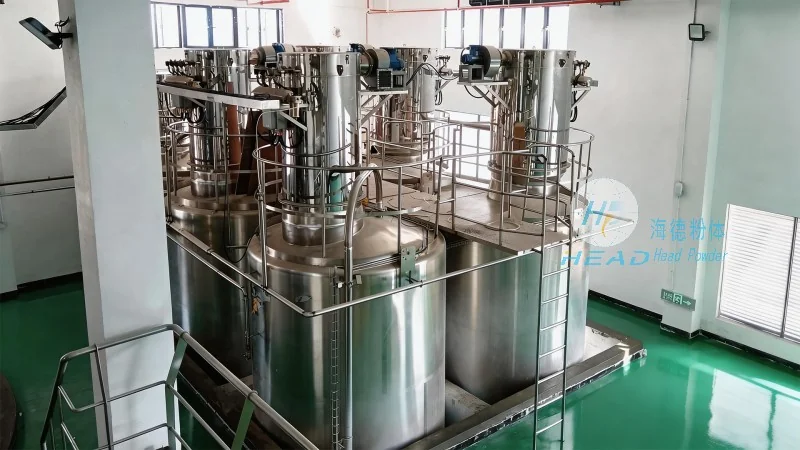
Introduction to Glass Fiber Powder Material Handling
Glass fiber powder material handling refers to the processes and technologies used to move, store, and manage glass fiber powders from one location to another within industrial settings. This involves a range of equipment and methods tailored to the unique properties of glass fiber powders, which include high abrasiveness, static electricity generation, and potential for dust dispersion. The primary goal of these systems is to maintain material integrity, minimize environmental impact, and enhance operational efficiency.
Key Design Principles for Glass Fiber Powder Handling Systems
The design of glass fiber powder handling systems is guided by several critical principles to address the challenges posed by the material's characteristics. One of the most important principles is the prevention of material degradation during transport. This is achieved through the use of appropriate equipment, such as enclosed conveyors and dust collection systems, which minimize exposure to air and moisture. Additionally, the design must consider the static electricity generated by glass fibers, as this can lead to material buildup and equipment malfunctions. Anti-static measures, including grounding and conductive materials, are therefore integrated into the system design to mitigate these risks.
Another key principle is the reduction of dust generation and dispersion. Glass fiber powders are known for their fine particle size, which can easily become airborne and cause health hazards or equipment contamination. Effective dust control measures, such as sealed hoppers, air filtration systems, and proper ventilation, are essential components of any handling system. These measures not only protect workers and the environment but also ensure the longevity of the equipment by preventing clogging and wear.
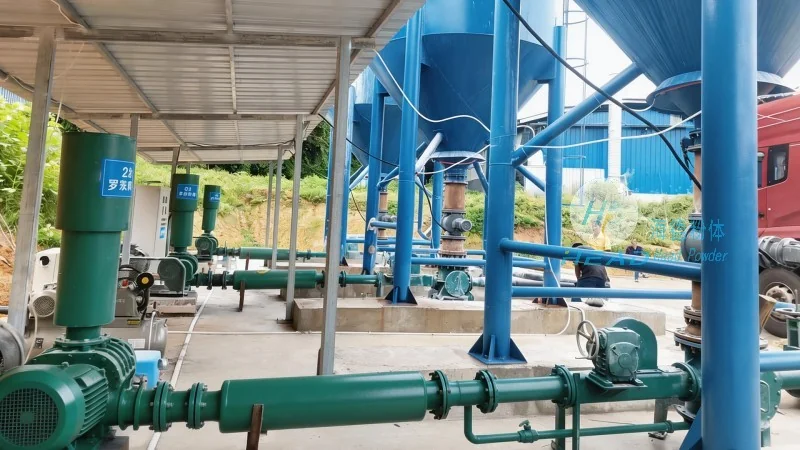
Equipment Used in Glass Fiber Powder Material Handling
Several types of equipment are commonly employed in glass fiber powder material handling operations. The selection of equipment depends on factors such as the material's flowability, the required transport distance, and the scale of the operation. One of the most common equipment types is the screw conveyor, which is suitable for handling dry, free-flowing powders. Screw conveyors are enclosed and can be designed with anti-static coatings to prevent material buildup and ensure smooth operation. Another widely used equipment is the pneumatic conveyor, which uses air pressure to transport powders through a network of pipes. Pneumatic systems are particularly effective for long-distance transport and can handle fine powders without the need for mechanical contact.
For larger-scale operations, bucket elevators and belt conveyors may be utilized. Bucket elevators are ideal for vertical transport and can handle bulk quantities of glass fiber powder efficiently. Belt conveyors, on the other hand, are suitable for horizontal or inclined transport and can be equipped with special belts to prevent material slippage and wear. In addition to these primary equipment types, auxiliary devices such as feeders, hoppers, and storage silos are essential for controlling the flow rate and managing the storage of glass fiber powders.
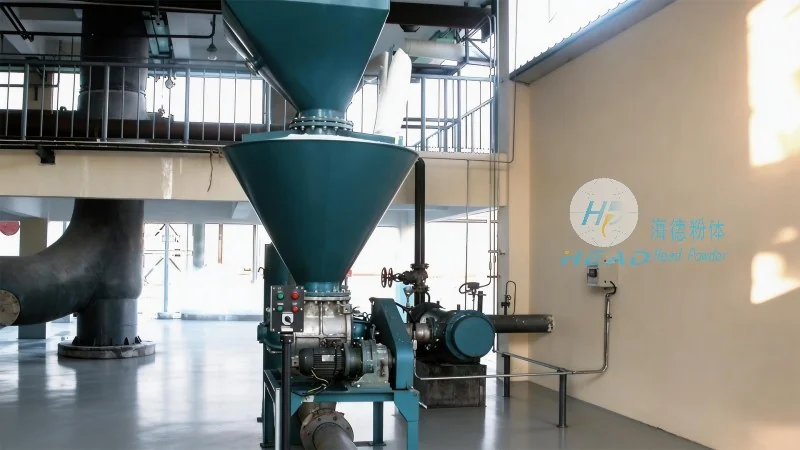
Addressing Challenges in Glass Fiber Powder Handling
Despite the advancements in material handling technology, several challenges remain in the efficient handling of glass fiber powders. One of the main challenges is the material's tendency to cake or agglomerate, which can cause blockages in equipment and reduce flowability. To address this, anti-caking agents may be added to the powder or the system may incorporate vibration or agitation mechanisms to maintain a free-flowing state. Another challenge is the abrasive nature of glass fibers, which can lead to rapid wear on equipment components. The use of wear-resistant materials, such as stainless steel or special coatings, is crucial to extend the lifespan of the equipment and minimize maintenance costs.
Environmental considerations also play a significant role in the design of glass fiber powder handling systems. The need to comply with regulations regarding dust emissions and waste disposal requires the integration of advanced filtration and recycling systems. Many modern handling systems incorporate closed-loop designs that capture and recycle dust, reducing the environmental impact of the operation. This not only helps in meeting regulatory requirements but also contributes to cost savings by reducing material waste.
Conclusion
Glass fiber powder material handling is a complex process that requires careful consideration of the material's properties and the design of appropriate handling systems. By adhering to key design principles such as dust control, anti-static measures, and equipment selection, industries can ensure the safe and efficient transport of glass fiber powders. The companies specializing in this field, such as Shandong HeadPowder Engineering Co., Ltd., provide comprehensive solutions that address the unique challenges of glass fiber powder handling, helping clients maintain operational efficiency and compliance with industry standards.