

What Are Dust-Free Enclosed Material Handling Systems? And What Are Their Design Principles?
When it comes to maintaining a clean and efficient industrial environment, the role of dust-free enclosed material handling systems cannot be overstated. These specialized equipment are designed to transport materials without exposing them to external contaminants or allowing dust and particles to escape into the surrounding air. The core of their effectiveness lies in the meticulous design principles that govern their construction and operation. In this article, we delve into the world of dust-free enclosed material handling systems, exploring how they work and the key design elements that make them indispensable in various industries.
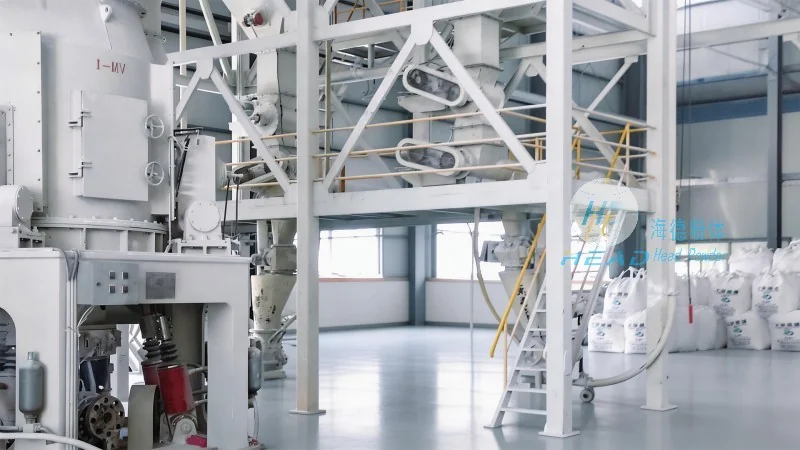
Understanding the Need for Dust-Free Enclosed Material Handling
Industrial processes often involve the handling of powders, granules, or other particulate materials. Traditional open conveyor systems can lead to significant dust generation, posing health risks to workers and potentially contaminating products. This is where dust-free enclosed material handling systems step in. By creating a sealed environment, these systems ensure that materials are transported safely and hygienically. The primary goal is to prevent dust from escaping into the workplace, which not only protects personnel but also maintains product quality and compliance with regulatory standards. For industries such as pharmaceuticals, food processing, and electronics manufacturing, where contamination is a critical concern, these systems are not just an option but a necessity.
Key Design Principles of Dust-Free Enclosed Material Handling Systems
The design of dust-free enclosed material handling systems revolves around several critical principles aimed at achieving a completely sealed operation. One of the most fundamental aspects is the use of airtight enclosures that prevent the escape of dust particles. These enclosures are typically constructed from durable materials like stainless steel or high-grade plastics, ensuring longevity and resistance to corrosion. The sealing mechanisms, including gaskets and O-rings, are engineered to maintain a tight seal under various operating conditions, including temperature fluctuations and pressure changes. Another crucial design element is the integration of positive pressure or negative pressure systems within the enclosure. Positive pressure systems force filtered air into the enclosure, preventing external air from entering and carrying contaminants in. Conversely, negative pressure systems create a slight vacuum, drawing air out through filters and preventing dust from escaping. This dual approach ensures that the internal environment remains clean and free from external pollutants.
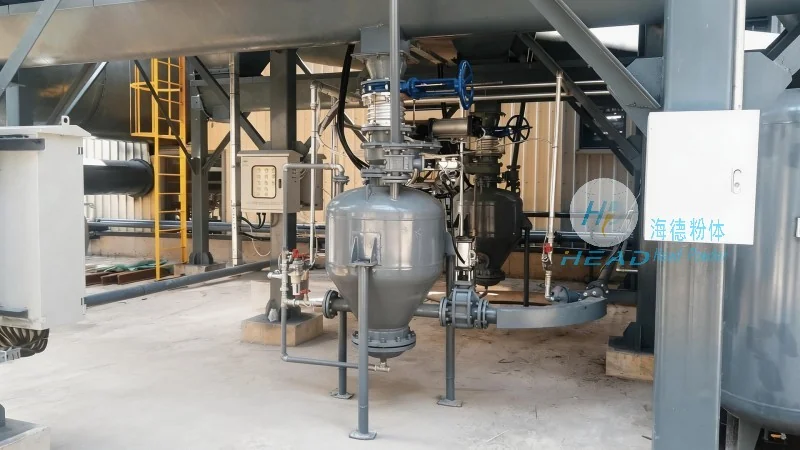
A critical component in the design is the material handling mechanism itself. Conveyors, such as belt or screw conveyors, are enclosed within the system to prevent material spillage and dust generation. The conveyor belts are often made of non-stick materials to facilitate smooth material movement and reduce friction, which can otherwise generate dust. Additionally, the system incorporates filtration systems that capture any particles that may escape the primary seal. These filters are typically made of high-efficiency particulate air (HEPA) or similar materials, ensuring that the air leaving the system is clean and safe. The design also considers the need for easy maintenance and cleaning. Access panels and removable components allow for quick inspection and replacement of parts, minimizing downtime and ensuring the system remains operational at all times.
Applications and Benefits of Dust-Free Enclosed Material Handling
Dust-free enclosed material handling systems find applications across a wide range of industries, each benefiting from their unique design and functionality. In the pharmaceutical industry, these systems are essential for transporting raw materials and finished products without compromising purity. The sealed environment prevents cross-contamination and ensures that products meet stringent quality standards. Similarly, in food processing, where hygiene is paramount, these systems maintain the integrity of food products and protect workers from allergens and other contaminants. The electronics manufacturing sector also relies on these systems to handle sensitive components, as even minute dust particles can cause malfunctions or damage to delicate parts. Beyond health and safety benefits, these systems offer operational advantages. By reducing dust accumulation, they minimize the risk of equipment failure due to clogging or wear. This leads to increased efficiency and lower maintenance costs over time. Furthermore, the enclosed design helps in controlling temperature and humidity within the system, which is crucial for materials that are sensitive to environmental changes.
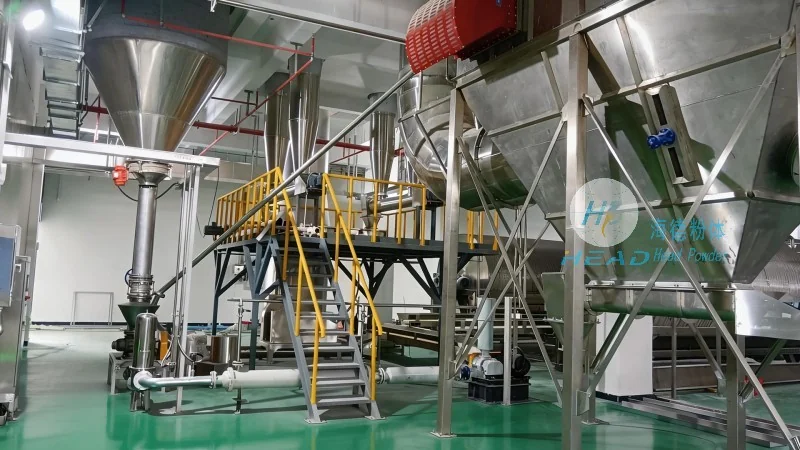
Company Overview: Shandong HeadPowder Engineering Co., Ltd.
At the forefront of developing advanced dust-free enclosed material handling solutions is Shandong HeadPowder Engineering Co., Ltd., a leading manufacturer based in China. With a strong commitment to innovation and quality, HeadPowder specializes in designing and manufacturing equipment tailored to meet the specific needs of various industries. The company’s expertise lies in integrating cutting-edge technology with robust engineering principles to create systems that are both efficient and reliable. HeadPowder’s products are known for their durability, ease of maintenance, and compliance with international standards. By leveraging years of experience in the field, the company has built a reputation for delivering solutions that enhance operational efficiency while ensuring the highest levels of safety and hygiene. The company’s focus on customer satisfaction and continuous improvement has made it a trusted partner for businesses seeking to upgrade their material handling processes.
Conclusion: The Future of Dust-Free Enclosed Material Handling
As industries continue to prioritize cleanliness and efficiency, the demand for dust-free enclosed material handling systems is expected to grow. The design principles that govern these systems are constantly evolving, driven by advancements in technology and increasing regulatory requirements. Companies like Shandong HeadPowder Engineering Co., Ltd. play a vital role in this evolution, providing innovative solutions that address the unique challenges faced by different sectors. By understanding the importance of these systems and the design principles behind them, businesses can make informed decisions to enhance their operational capabilities and ensure a safe, clean working environment. The future of material handling lies in the continued development of enclosed systems that combine functionality with sustainability, ultimately contributing to a more efficient and responsible industrial landscape.