

What is a Milk Powder Material Conveying Line? And What Are Its Design Principles?
Milk powder material conveying lines are specialized systems engineered to handle the efficient and safe transportation of milk powder and related materials. These lines are integral to the production, processing, and distribution of dairy products, ensuring that raw materials are moved from one stage of the manufacturing process to another with precision and reliability. The design of such lines is critical, as it directly impacts the quality, safety, and efficiency of the overall production workflow.
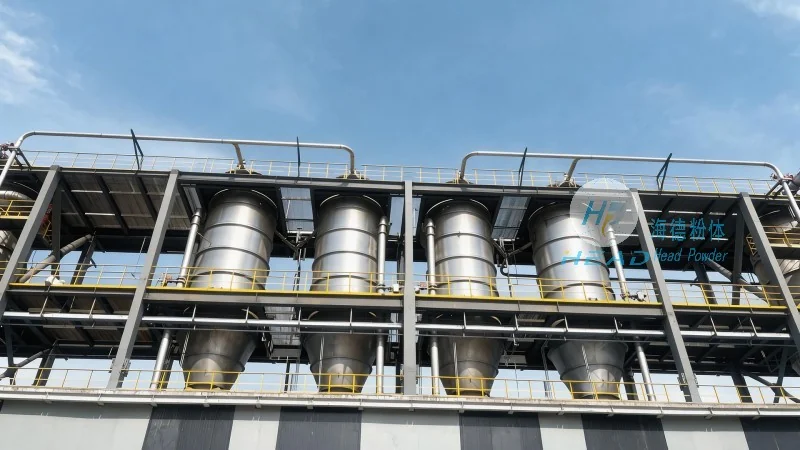
The Core Design Principles of Milk Powder Conveying Systems
The design of a milk powder material conveying line is guided by several key principles that prioritize functionality, hygiene, and operational efficiency. First, the system must adhere to strict sanitary standards to prevent contamination of the product. This includes the use of materials that are non-porous, easy to clean, and resistant to bacterial growth, such as stainless steel. The design also emphasizes minimal product contact with surfaces, reducing the risk of cross-contamination and ensuring that the milk powder remains in its optimal condition. Additionally, the conveying line is engineered for gentle handling of the powder, minimizing particle degradation and maintaining the product's quality attributes like moisture content and particle size distribution.
Key Components and Their Roles in the Conveying Process
At the heart of a milk powder material conveying line are several key components that work in tandem to ensure smooth operation. The primary components include feeders, which evenly distribute the milk powder into the conveying system; conveyors, such as screw conveyors or pneumatic systems, that transport the material through the line; and control systems that monitor and regulate the flow rate and pressure. The feeders are designed to handle different powder densities and flow characteristics, ensuring consistent feeding without clogging. The conveyors, particularly pneumatic systems, are often preferred for milk powder due to their ability to handle fine powders without the need for mechanical contact, which can cause agglomeration or damage to the product. The control systems provide real-time monitoring of parameters like pressure, temperature, and flow rate, allowing operators to adjust the system as needed to maintain optimal performance.
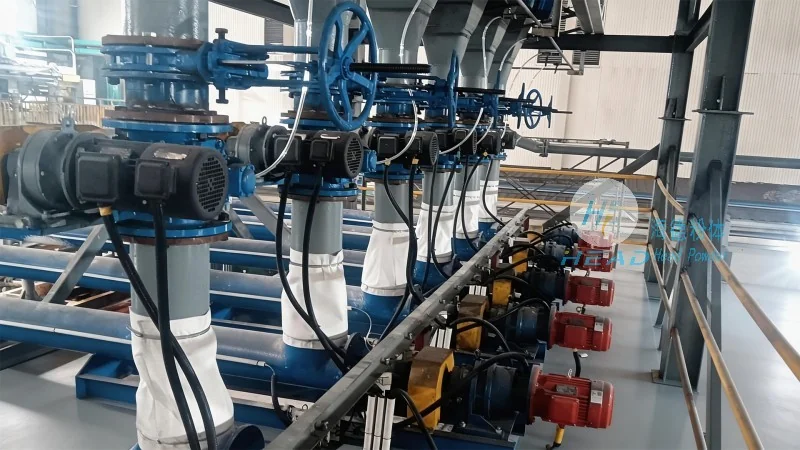
Hygienic Design and Material Selection
Hygiene is a paramount consideration in the design of milk powder conveying lines, especially in the dairy industry where product safety is non-negotiable. The entire system is constructed from materials that are easy to clean and sanitize, such as stainless steel, which is resistant to corrosion and can withstand the rigorous cleaning processes required by food safety regulations. The design incorporates smooth, rounded surfaces and minimal dead zones to prevent the accumulation of powder and bacteria. Additionally, the system includes features like CIP (Clean-In-Place) capabilities, which allow for automated cleaning without disassembling the equipment, further enhancing hygiene and operational efficiency. The use of sealed and airtight connections also prevents the ingress of contaminants and maintains the integrity of the product during transport.
Efficiency and Scalability in Conveying Lines
Efficiency is a key design goal for milk powder material conveying lines, as they are often part of larger production facilities that require high throughput. The systems are designed to handle large volumes of material with minimal energy consumption, reducing operational costs for the manufacturer. The scalability of the lines is also a critical factor, as they can be customized to accommodate varying production capacities, from small-scale operations to large industrial facilities. This flexibility allows manufacturers to adapt their conveying systems as their production needs change over time. Furthermore, the design often incorporates energy-saving features, such as variable speed drives, which adjust the motor speed based on the load, optimizing energy use and reducing electricity costs.
Application in the Dairy Industry
Milk powder material conveying lines are widely used in the dairy industry for various applications, including the transfer of raw milk powder from storage to processing units, the movement of finished products from packaging lines to storage areas, and the transport of auxiliary materials like additives or flavorings. These lines are essential for maintaining the flow of production and ensuring that each stage of the manufacturing process is connected seamlessly. For example, in a large dairy processing plant, a conveying line may transport milk powder from a silo to a mixing tank, where it is combined with other ingredients to create a final product. The line must be able to handle the specific characteristics of the milk powder, such as its fine particle size and low bulk density, to ensure that the material is conveyed without segregation or loss.
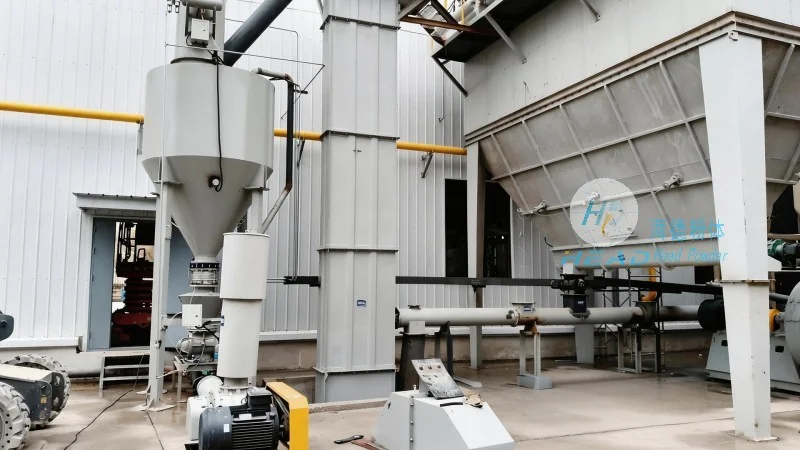
About Shandong HeadPowder Engineering Co., Ltd.
Shandong HeadPowder Engineering Co., Ltd., commonly known as headpowder, is a leading manufacturer specializing in the design and production of milk powder material conveying lines and related equipment. With a strong focus on quality and innovation, the company has established itself as a trusted partner in the dairy industry, providing customized solutions that meet the unique needs of its clients. HeadPowder's facilities are located in Shandong, China, where the company leverages advanced technology and skilled expertise to deliver high-performance conveying systems that enhance production efficiency and product quality. The company's commitment to customer satisfaction and continuous improvement has made it a preferred choice for dairy manufacturers seeking reliable and efficient material handling solutions.
Conclusion: The Importance of Well-Designed Conveying Lines
In conclusion, milk powder material conveying lines are sophisticated systems that play a vital role in the dairy industry. Their design is based on principles of hygiene, efficiency, and reliability, ensuring that milk powder is transported safely and effectively. The components and materials used in these lines are carefully selected to meet the stringent requirements of food safety and production standards. As the dairy industry continues to evolve, the importance of well-designed conveying lines will only increase, as they are essential for maintaining high-quality production and meeting the demands of modern consumers. For manufacturers in the dairy sector, investing in a well-engineered conveying line is a critical step toward optimizing their production processes and ensuring long-term success.