

What is Low-Pressure Continuous Powder Pneumatic Conveying? What Are Its Design Principles?
Low-pressure continuous powder pneumatic conveying is a specialized method used in industrial applications to transport bulk powders over long distances or through complex piping systems. This technology offers an efficient and flexible solution for moving materials like cement, flour, and other fine particles, often replacing traditional mechanical conveyors. The process involves creating a slight vacuum or pressure differential to draw or push the powder through a pipeline using air or other gases. As a leading provider in this field, Shandong HeadPowder Engineering Co., Ltd. specializes in designing and manufacturing low-pressure continuous powder pneumatic conveying systems tailored to meet the diverse needs of industrial clients.
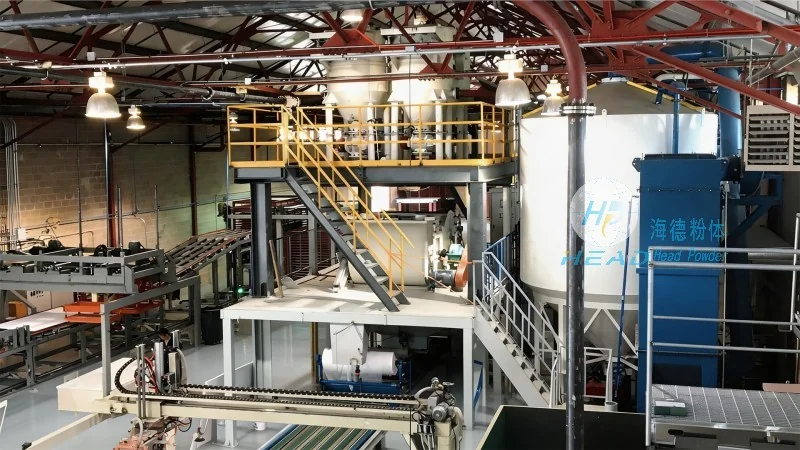
Understanding Low-Pressure Continuous Powder Pneumatic Conveying
At its core, low-pressure continuous powder pneumatic conveying operates by utilizing a controlled flow of air to transport dry powders. Unlike high-pressure systems that use significant pressure to force material through pipes, low-pressure systems rely on a moderate pressure drop, typically ranging from 0.5 to 2 bar, to maintain the flow. This approach is particularly advantageous for materials that are sensitive to high pressure or for applications where energy efficiency is a priority.
Key Design Principles of Low-Pressure Continuous Conveying Systems
The design of a low-pressure continuous powder pneumatic conveying system involves several critical components and principles. The system typically includes a feeding device, a conveying line, a separation unit, and a dust collection system. The feeding device, such as a rotary valve or a star feeder, ensures a consistent and controlled feed of the powder into the pipeline. The conveying line is constructed from materials like stainless steel or plastic to prevent material buildup and corrosion. The separation unit, often a cyclone or a bag filter, separates the powder from the air stream, allowing the powder to be discharged at the destination and the air to be filtered and recycled or vented.
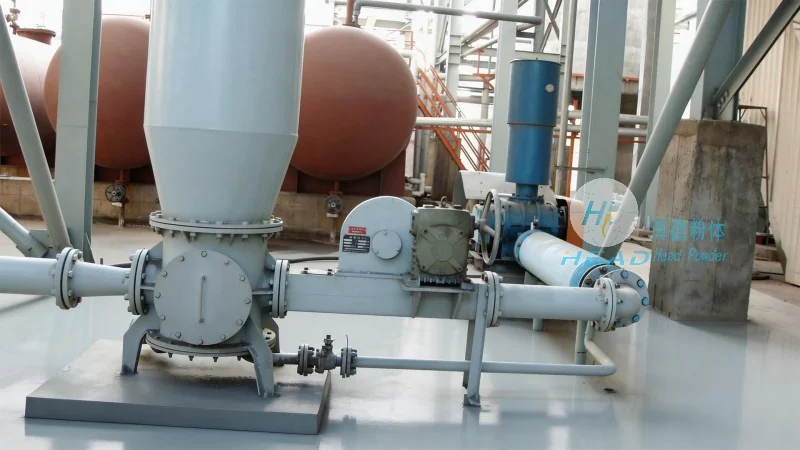
Advantages of Low-Pressure Continuous Pneumatic Conveying
Low-pressure continuous powder pneumatic conveying offers several benefits over other conveying methods. It provides a gentle handling of the material, reducing the risk of degradation or agglomeration. The system is also flexible, allowing for changes in the conveying route or capacity without major modifications. Additionally, it can handle a wide range of particle sizes and moisture contents, making it suitable for diverse industrial applications. The energy consumption is relatively low compared to high-pressure systems, contributing to cost savings and environmental benefits.
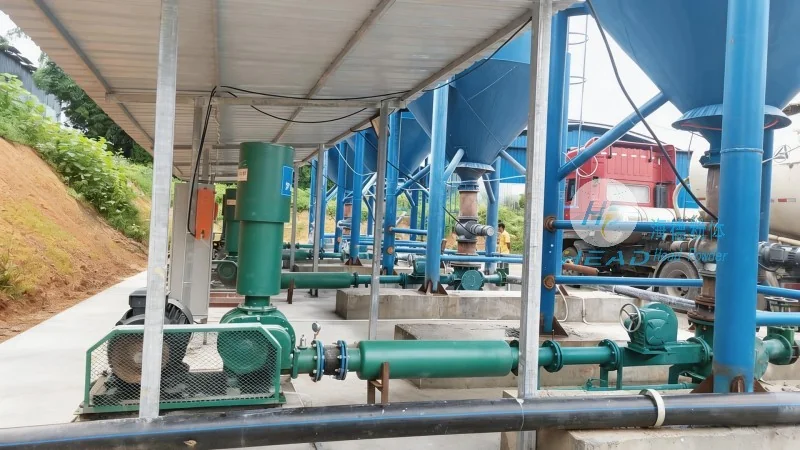
Applications in Industrial Settings
Low-pressure continuous powder pneumatic conveying is widely used in various industries, including pharmaceuticals, food processing, and chemical manufacturing. In the pharmaceutical industry, it is used to transport sensitive powders that require sterile and contamination-free handling. In food processing, it is employed to convey ingredients like flour, sugar, and spices, ensuring hygiene and product quality. In chemical manufacturing, it is used to transport powders such as cement, limestone, and other bulk chemicals, facilitating efficient production processes.
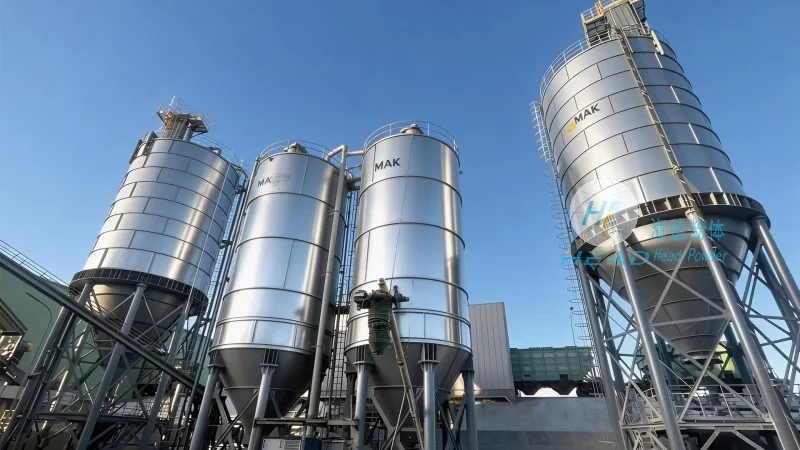
Factors to Consider in System Design
When designing a low-pressure continuous powder pneumatic conveying system, several factors must be considered to ensure optimal performance. The material properties of the powder, such as particle size, density, and flowability, play a crucial role in determining the appropriate conveying velocity and pressure drop. The system's capacity and the distance to be covered also influence the design, as longer distances may require additional booster fans or larger pipe diameters. The choice of materials for the conveying line and components is critical to prevent corrosion and material buildup, especially for corrosive or abrasive powders.
Conclusion
Low-pressure continuous powder pneumatic conveying is a reliable and efficient technology for transporting bulk powders in industrial settings. By understanding its design principles and advantages, companies can select the appropriate system to meet their specific needs. The technology's flexibility, gentle handling, and energy efficiency make it a preferred choice for many applications, contributing to improved productivity and reduced operational costs.