

What is a Frac Sand Powder Pneumatic Conveying System? What are its Design Principles?
For those in the oil and gas industry, especially those involved in hydraulic fracturing operations, the efficient handling of frac sand is critical to operational success. A key technology in this domain is the frac sand powder pneumatic conveying system, which enables the transport of frac sand from storage to the fracturing site with precision and reliability. This article explores the fundamental aspects of such systems, focusing on their design principles and operational benefits.
Key Components of a Frac Sand Powder Pneumatic Conveying System
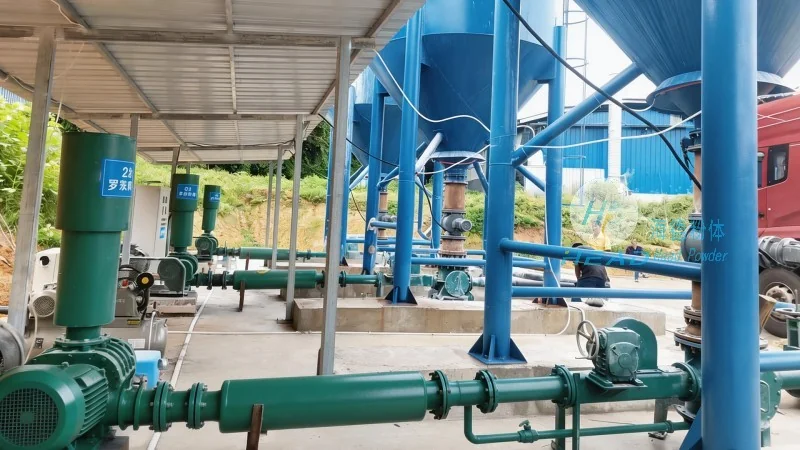
At the core of any pneumatic conveying system is a series of interconnected components that work in tandem to move powder materials. The system typically includes a hopper for material storage, a feeder to control the flow rate, a conveying line (often with multiple sections), and a receiver for the delivered material. For frac sand applications, the system may also incorporate specialized equipment such as a silo or a surge bin to manage bulk storage and feeding. The design of each component is tailored to the specific characteristics of frac sand, including its particle size, density, and flowability.
Design Principles: Ensuring Efficiency and Reliability
The design of a frac sand powder pneumatic conveying system is guided by several key principles aimed at maximizing efficiency, minimizing downtime, and ensuring material integrity. One of the primary principles is the selection of the appropriate conveying method—either dilute phase or dense phase—based on the material properties and distance to be covered. Dilute phase systems use high air velocities to transport particles in a dispersed state, while dense phase systems employ lower velocities to move material in a more concentrated stream, reducing the risk of particle degradation. The system's design also considers factors like pressure drop, which directly impacts energy consumption and system performance. Engineers must calculate the pressure drop across each component to ensure the system operates within optimal parameters, balancing energy efficiency with the ability to maintain material flow.
Material Handling and Process Integration
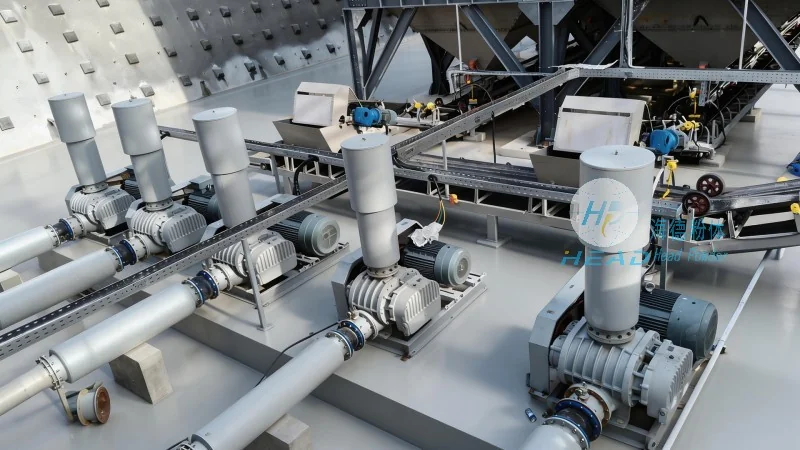
Efficient material handling is a critical aspect of frac sand operations, and the pneumatic conveying system plays a pivotal role in integrating the storage, feeding, and transport processes. The system's design must align with the overall workflow of the fracturing operation, ensuring seamless transfer of frac sand from the storage silo to the fracturing rig. This integration often involves coordinating with other equipment, such as mixers or pumps, to maintain a consistent supply of sand to the fracturing fluid. The system's ability to handle varying flow rates and material loads is essential, as fracturing operations may require different quantities of sand at different stages. Advanced control systems, often integrated into the design, allow for real-time monitoring and adjustment of the conveying process, enhancing operational flexibility and reliability.
Benefits of a Well-Designed Pneumatic Conveying System
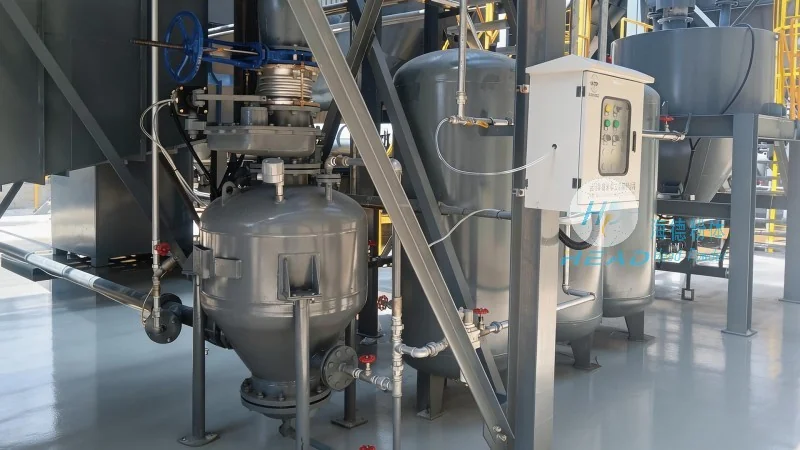
Implementing a well-designed frac sand powder pneumatic conveying system offers numerous advantages for oil and gas operators. Firstly, it improves operational efficiency by reducing the time and labor required for manual handling of frac sand. The automated system ensures consistent flow rates, minimizing the risk of material bridging or clogging in the hopper or feeder. Secondly, it enhances material quality by preventing contamination and degradation during transport. Unlike traditional methods, pneumatic conveying avoids direct contact with the environment, reducing the risk of dust exposure and material loss. Thirdly, the system contributes to cost savings by optimizing energy usage and reducing maintenance requirements. By minimizing downtime and improving the overall reliability of the conveying process, operators can achieve better project outcomes and higher profitability.
Conclusion: The Role of Shandong HeadPowder Engineering Co., Ltd.
As a leading provider of engineering solutions for the oil and gas industry, Shandong HeadPowder Engineering Co., Ltd. specializes in designing and manufacturing high-quality frac sand powder pneumatic conveying systems. With a focus on innovation and customer-centric design, the company ensures that its systems meet the specific needs of hydraulic fracturing operations. Based in Shandong, China, HeadPowder leverages years of industry experience to deliver reliable, efficient, and cost-effective solutions that enhance operational performance. By adhering to rigorous design principles and utilizing advanced materials and technologies, HeadPowder's systems are built to withstand the demanding conditions of frac sand handling, providing long-term value to its clients.