

Aluminum Turnings Pneumatic Conveying Equipment: What It Is and Its Design Principles
When it comes to handling aluminum turnings, a specialized piece of equipment is often required to ensure efficient and safe material transport. This equipment, commonly known as an aluminum turnings pneumatic conveying system, plays a crucial role in various industrial applications. In this article, we will explore what this equipment is and delve into its fundamental design principles.
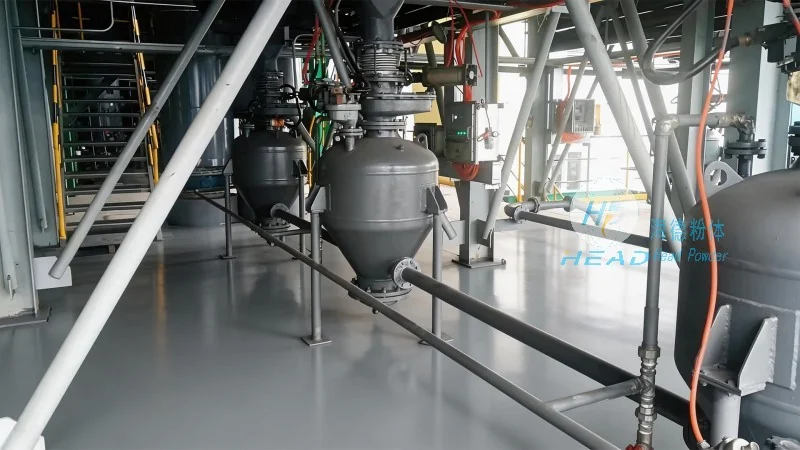
Understanding Aluminum Turnings Pneumatic Conveying Equipment
At its core, an aluminum turnings pneumatic conveying system is a mechanism designed to transport aluminum turnings—a fine, irregularly shaped metal product—from one location to another using air pressure or vacuum. These systems are essential in industries such as aluminum processing, recycling, and manufacturing, where the efficient movement of these materials is critical for maintaining production flow and minimizing downtime.
The equipment typically consists of several key components, including a hopper for material storage, a conveyor line (often a flexible tube or rigid pipe), and a blower or vacuum pump to generate the necessary airflow. The hopper ensures that aluminum turnings are fed into the system in a controlled manner, preventing blockages and ensuring a steady flow. The conveyor line, made from materials resistant to corrosion and abrasion (such as stainless steel or specialized polymers), transports the material through the system. The blower or vacuum pump provides the force needed to move the material, either by creating a positive pressure (blowing) or negative pressure (suction) within the system.
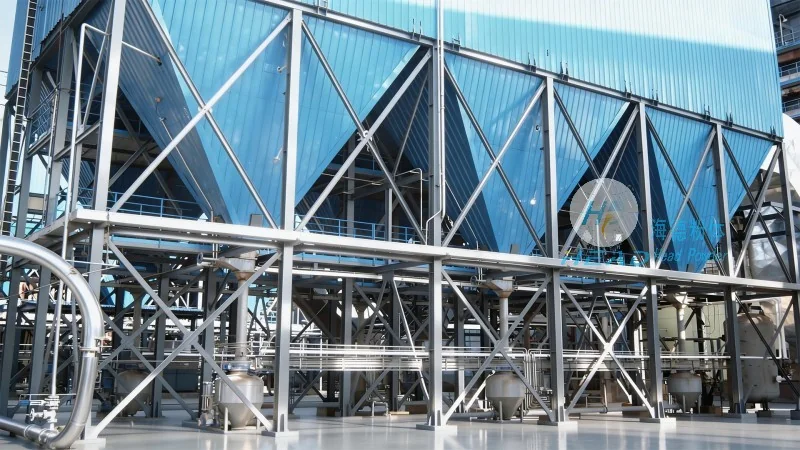
Key Design Principles of Aluminum Turnings Pneumatic Conveying Systems
The design of an aluminum turnings pneumatic conveying system is guided by several critical principles to ensure optimal performance, reliability, and safety. These principles are tailored to the unique characteristics of aluminum turnings, which can be abrasive, lightweight, and prone to creating dust or fine particles.
First, the system must be designed to handle the abrasive nature of aluminum turnings. The materials used for the hopper, conveyor line, and other components must be durable and resistant to wear and tear. This often involves using high-quality stainless steel or specialized alloys that can withstand the constant friction and impact of the material. Additionally, the system's design may include features such as smooth surfaces and rounded corners to minimize the risk of material buildup and blockages.
Second, the system must be capable of handling the lightweight and fine nature of aluminum turnings. Because these materials are light and can easily become airborne, the conveying system must be designed to maintain a consistent airflow and prevent material loss or segregation. This may involve using a combination of positive and negative pressure zones, as well as specialized valves and controls to regulate the flow of material and air.
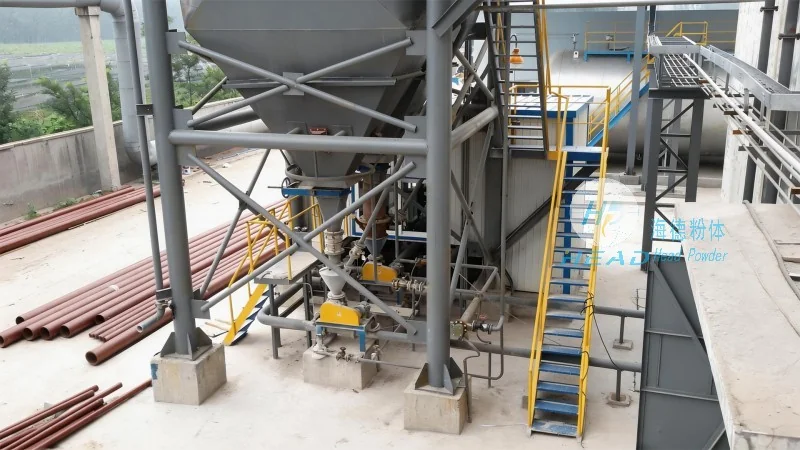
Third, the system must be designed with safety in mind. Aluminum turnings can be a fire hazard if not handled properly, as they can ignite under certain conditions. Therefore, the equipment must include features such as explosion-proof blower motors, fire-resistant materials, and proper ventilation to minimize the risk of fire or explosion. Additionally, the system should be equipped with safety sensors and alarms to detect any issues, such as blockages or overpressure, and alert operators.
Applications and Benefits of Aluminum Turnings Pneumatic Conveying Equipment
Aluminum turnings pneumatic conveying systems are widely used in various industrial applications, including aluminum recycling, foundry operations, and metal processing. These systems offer several benefits over traditional methods of material transport, such as manual handling or mechanical conveyors.
One of the primary benefits is the ability to transport aluminum turnings over long distances with minimal loss or degradation. The system's design allows for a continuous and controlled flow of material, reducing the risk of spills or contamination. Additionally, the equipment is compact and can be easily integrated into existing production lines, making it a cost-effective solution for many industries.
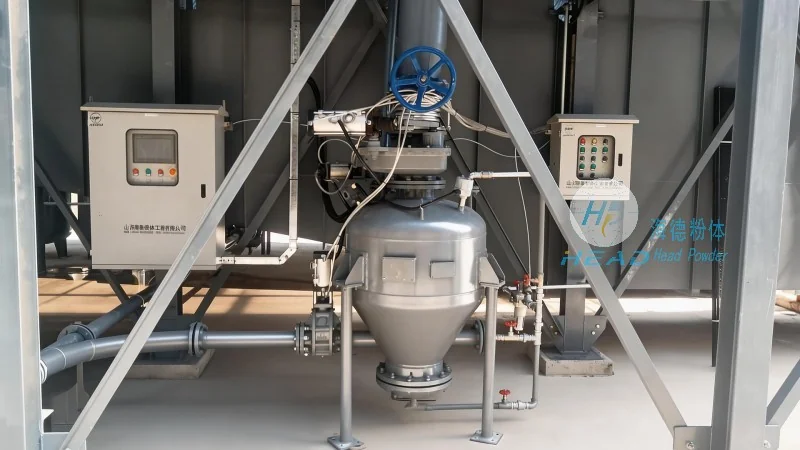
Another key benefit is the improved safety and efficiency of the material handling process. By automating the transport of aluminum turnings, the system reduces the need for manual labor, minimizing the risk of accidents and injuries. The system also allows for better control over the material flow, ensuring that the correct amount of material is transported to the next stage of production.
Conclusion
In conclusion, an aluminum turnings pneumatic conveying equipment is a vital tool for industries that rely on the efficient and safe transport of aluminum turnings. The design of these systems is guided by several key principles, including durability, material handling capabilities, and safety. By understanding these principles and the benefits of such equipment, businesses can make informed decisions about implementing pneumatic conveying systems in their operations.