

What is a Barium Sulfate Material Pneumatic Conveying Line? And What Are Its Design Principles?
Barium sulfate, a widely used industrial material, often requires efficient and reliable transportation systems for processing and distribution. The pneumatic conveying line is a critical solution for handling such materials, especially in applications where dust control and material integrity are paramount. This article explores the concept of a barium sulfate material pneumatic conveying line and delves into its design principles, offering insights into how such systems are engineered to meet industrial demands.
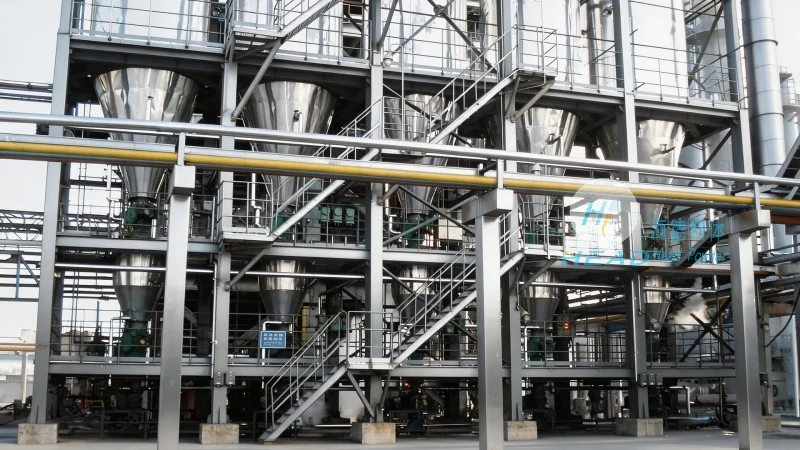
Introduction to Barium Sulfate Pneumatic Conveying Lines
Barium sulfate, commonly known as heavy spar or barytes, is a white crystalline solid with a high density and low solubility in water. It is extensively used in various industries, including paint, plastics, ceramics, and pharmaceuticals, due to its excellent opacity and stability. When handling barium sulfate, traditional methods like belt conveyors or bucket elevators may pose challenges such as dust generation, material degradation, and operational inefficiencies. Pneumatic conveying lines provide a solution by using air to transport the material in a closed system, minimizing exposure to the environment and ensuring consistent quality.
HeadPowder: A Leader in Pneumatic Conveying Solutions
Shandong HeadPowder Engineering Co., Ltd., a prominent manufacturer based in China, specializes in designing and manufacturing advanced pneumatic conveying systems tailored to the unique needs of industries dealing with barium sulfate and other fine powders. With years of experience and a commitment to innovation, HeadPowder has established itself as a trusted partner for companies seeking reliable and efficient material handling solutions. The company's headquarters is located in Shandong, China, where its team of engineers and technicians work tirelessly to develop cutting-edge technologies that enhance productivity and safety in industrial operations.
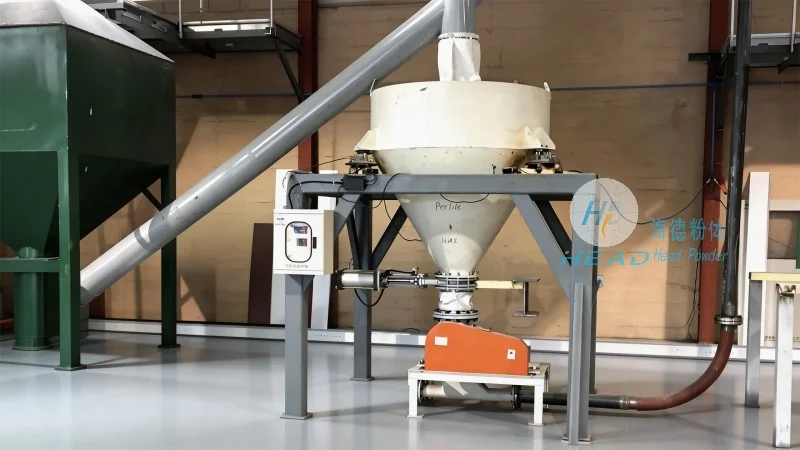
Design Principles of Barium Sulfate Pneumatic Conveying Lines
The design of a barium sulfate pneumatic conveying line involves several key principles aimed at optimizing performance, ensuring material integrity, and maintaining operational safety. These principles include:
- System Sizing and Airflow Management: Proper sizing of the conveying line, including the diameter of the pipeline and the velocity of the air, is crucial to prevent material deposition and ensure smooth transport. The airflow must be sufficient to overcome the resistance of the material and maintain a consistent flow rate.
- Material Handling Considerations: Barium sulfate is a fine powder with specific properties, such as high density and low abrasiveness. The design must account for these characteristics to avoid clogging or wear on components. For instance, the use of appropriate valves, filters, and cyclones is essential to prevent blockages and maintain system efficiency.
- Dust Control and Environmental Compliance: Pneumatic conveying systems are designed to operate in a closed environment, minimizing dust emissions and ensuring compliance with environmental regulations. The system includes features like dust collectors and filtration units to capture any airborne particles and prevent contamination of the surrounding area.
- Energy Efficiency and Cost-Effectiveness: Modern pneumatic conveying lines are engineered to be energy-efficient, reducing operational costs while maintaining high performance. The use of variable frequency drives (VFDs) and optimized air pressure settings helps in achieving this balance, making the system both economical and sustainable.
Key Components of a Barium Sulfate Pneumatic Conveying System
A typical barium sulfate pneumatic conveying line consists of several interconnected components, each playing a vital role in the overall operation. These components include:
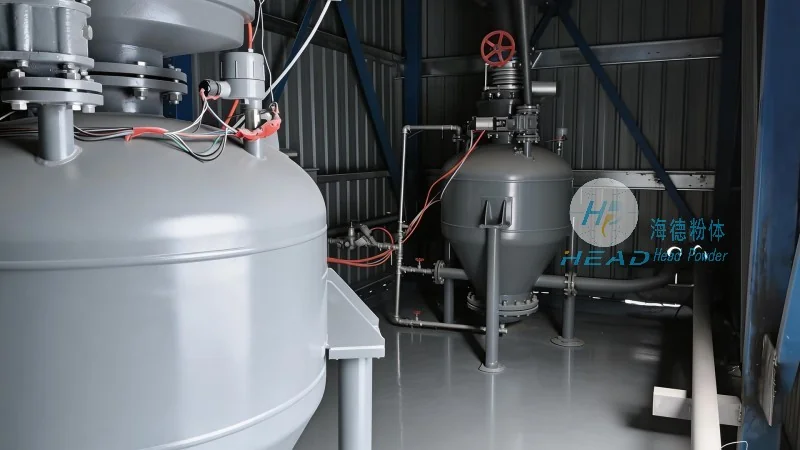
- Feed Hopper: The feed hopper is the starting point of the system, where the barium sulfate material is stored and fed into the conveying line. It is designed to maintain a consistent material level and prevent clogging, ensuring a steady supply of material for transport.
- Pneumatic Conveying Pipeline: The pipeline is the main conduit for transporting the material. It is typically made of stainless steel or other corrosion-resistant materials to withstand the abrasive nature of the barium sulfate and maintain system integrity.
- Air Compressor and Blower: The air compressor or blower generates the necessary airflow to move the material through the pipeline. The choice of equipment depends on the system's capacity and the material's properties, with options ranging from positive displacement blowers to centrifugal compressors.
- Valves and Controls: Various valves, such as rotary airlock valves and check valves, are used to control the flow of material and air within the system. These components ensure smooth operation and prevent backflow or material buildup.
- Cyclone Separator and Dust Collector: The cyclone separator is used to separate the material from the air stream, allowing the material to be collected in a hopper for further processing. The dust collector, often equipped with filtration bags or cartridges, captures any remaining particles to ensure clean air discharge and compliance with environmental standards.
- Receiving Hopper: The receiving hopper is the final destination of the material, where it is collected after being separated from the air stream. It is designed to store the material until it is transferred to the next processing stage, ensuring a continuous flow of material through the system.
Applications and Benefits of Barium Sulfate Pneumatic Conveying Lines
Barium sulfate pneumatic conveying lines are widely used in various industrial applications, offering several benefits over traditional material handling methods. Some of the key applications include:
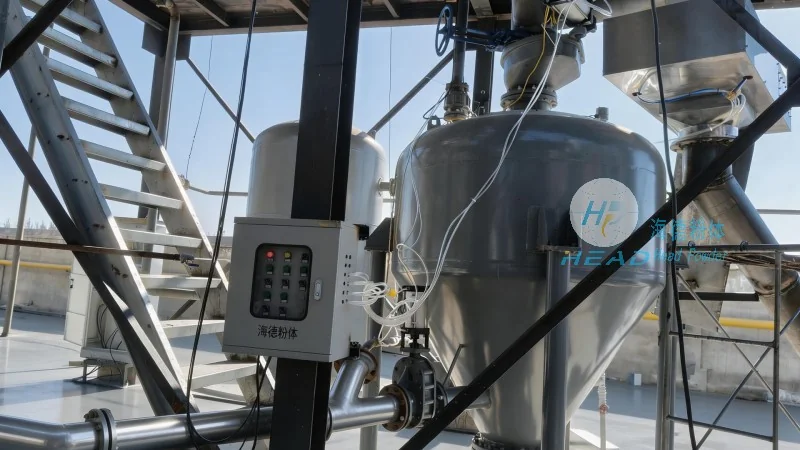
- Paint and Coating Industry: Barium sulfate is a common pigment in paints and coatings, providing opacity and brightness. Pneumatic conveying systems ensure that the pigment is transported efficiently and without contamination, maintaining the quality of the final product.
- Plastics and Rubber Industry: In the production of plastics and rubber products, barium sulfate is used as a filler to improve mechanical properties and reduce cost. The pneumatic conveying line ensures that the filler is added uniformly to the polymer matrix, enhancing the performance of the final product.
- Ceramics and Glass Industry: Barium sulfate is used in the manufacturing of ceramics and glass to improve their opacity and durability. The system ensures that the material is delivered to the production line in a controlled manner, contributing to the quality and consistency of the end products.
- Pharmaceutical Industry: In the pharmaceutical sector, barium sulfate is used as an X-ray contrast agent. The pneumatic conveying line provides a sterile and dust-free environment for handling the material, ensuring compliance with stringent regulatory requirements.
Overall, the benefits of using a barium sulfate pneumatic conveying line include improved material handling efficiency, reduced labor costs, enhanced safety through dust control, and increased product quality due to minimized contamination. These advantages make such systems an essential investment for companies operating in industries that rely on barium sulfate as a key component.
Conclusion
In conclusion, a barium sulfate material pneumatic conveying line is a sophisticated and efficient system designed to handle the unique challenges of transporting fine powders like barium sulfate. The design principles, which focus on system sizing, material handling, dust control, and energy efficiency, ensure that the system operates reliably and safely. With the expertise of companies like Shandong HeadPowder Engineering Co., Ltd., these systems are tailored to meet the specific needs of various industries, providing a cost-effective and sustainable solution for material transportation. As industries continue to demand higher efficiency and quality in their operations, pneumatic conveying lines remain a critical technology for the future of material handling.