

What is an Alloy Powder Material Pneumatic Conveying Line? What are its Design Principles?
For industrial applications involving the handling of alloy powders, efficient and reliable material transport is crucial. A pneumatic conveying line specifically designed for alloy powders represents a sophisticated solution that ensures the safe and effective movement of these materials from one point to another within a manufacturing or processing facility. This article explores the concept of an alloy powder material pneumatic conveying line, delving into its design principles and the technical considerations that underpin its operation, with insights from Shandong HeadPowder Engineering Co., Ltd., a leading provider of material handling solutions in China.
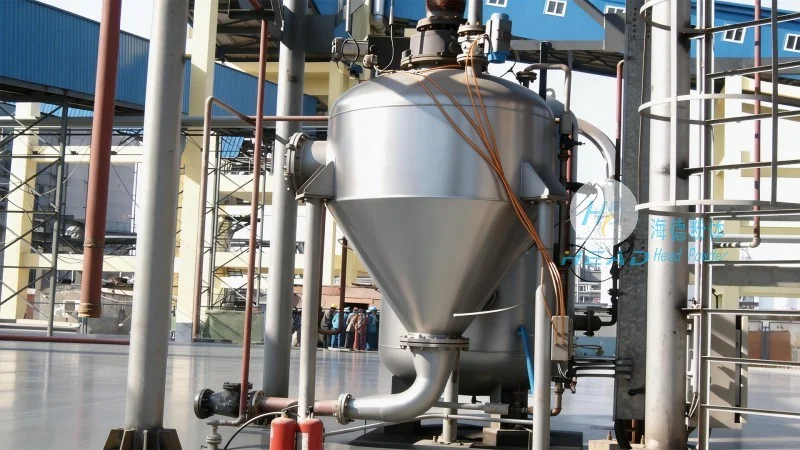
Understanding the Role of Alloy Powder Pneumatic Conveying Lines
Alloy powders are often used in various high-tech industries, including aerospace, automotive, and electronics manufacturing. These materials are characterized by their fine particle size, which can make traditional mechanical conveying methods inefficient or even impractical due to issues like dust generation, material degradation, or blockages. Pneumatic conveying lines offer a solution by utilizing air or other gases to transport the powder through a pipeline system. This method is particularly advantageous for alloy powders because it minimizes contamination, reduces the risk of material degradation, and provides a clean and controlled environment for handling sensitive materials.
Key Design Principles for Alloy Powder Pneumatic Conveying Systems
The design of an alloy powder pneumatic conveying line is governed by several critical principles that ensure optimal performance and reliability. These principles include the selection of appropriate air velocity, the use of suitable pipeline materials, and the incorporation of effective control mechanisms. The air velocity must be carefully calculated to achieve a balance between conveying efficiency and energy consumption. Too low a velocity may result in material settling or blockages, while too high a velocity can cause excessive wear on the pipeline and equipment, leading to increased maintenance costs and potential downtime.
Material selection for the pipeline and components is another critical design consideration. Alloy powders can be abrasive and corrosive, depending on their composition. Therefore, the pipeline and associated equipment must be constructed from materials that are resistant to wear and corrosion, such as stainless steel or specialized alloys. This ensures the longevity of the system and maintains the purity of the conveyed material. Additionally, the design must incorporate features that prevent material buildup and blockages, such as appropriate bends, valves, and filters. These components are essential for maintaining the smooth operation of the conveying line and preventing interruptions in the production process.
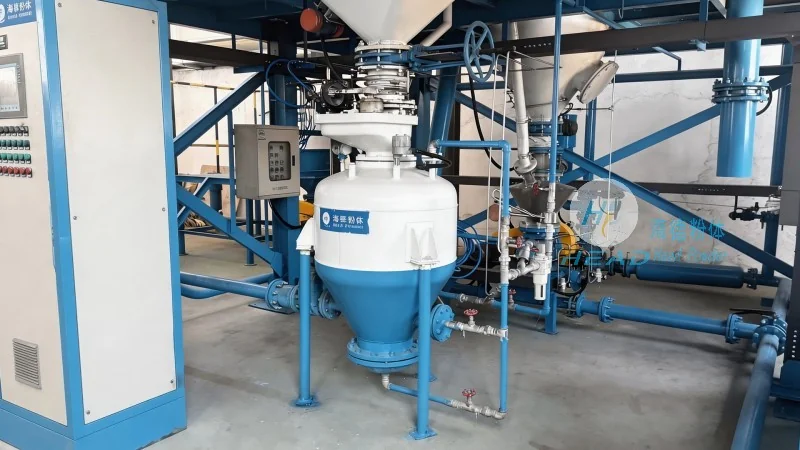
Components and Operational Mechanisms
An alloy powder pneumatic conveying line typically consists of several key components, each playing a vital role in the overall system. The primary components include a material feed hopper, a conveying pipeline, a control system, and a discharge unit. The material feed hopper is responsible for storing and feeding the alloy powder into the system. It is designed to handle the specific characteristics of the powder, such as its flowability and density, to ensure consistent and controlled feeding. The conveying pipeline is the main channel through which the powder is transported. It is usually made of flexible or rigid tubing, depending on the application requirements, and is equipped with bends and valves to direct the flow and control the material's movement.
The control system is a critical element that regulates the operation of the pneumatic conveying line. It includes sensors, valves, and a control unit that monitors and adjusts the air pressure, flow rate, and material feed rate. This system ensures that the conveying process operates within optimal parameters, preventing overloading or underloading of the pipeline. The discharge unit is responsible for releasing the alloy powder from the system at the desired location. It may include a hopper or a container that collects the material, ensuring that it is handled safely and efficiently. The control system also includes safety features, such as pressure relief valves and emergency shut-off mechanisms, to protect the system and personnel from potential hazards.
Advantages of Using Alloy Powder Pneumatic Conveying Lines
Implementing an alloy powder pneumatic conveying line offers numerous advantages over traditional conveying methods. One of the most significant benefits is the reduction in material contamination. Since the powder is transported in a closed system, it is protected from external contaminants, ensuring that the final product remains pure and meets the required quality standards. This is particularly important for alloy powders used in high-precision applications, where even minor impurities can affect the performance of the final product.
Another advantage is the improved safety and hygiene. Pneumatic conveying eliminates the need for manual handling of powders, reducing the risk of dust exposure and related health hazards. It also minimizes the risk of fire or explosion, as the system is designed to prevent the accumulation of combustible dust. Additionally, the closed system reduces the risk of environmental contamination, making it an environmentally friendly option for material handling.
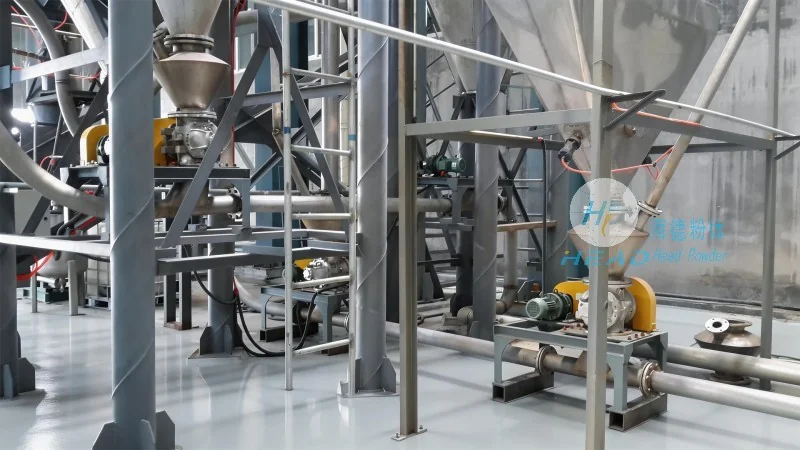
Efficiency and cost-effectiveness are also key benefits of using an alloy powder pneumatic conveying line. The system can transport large quantities of material over long distances with minimal energy consumption compared to other methods. This results in lower operational costs and increased productivity. Furthermore, the reduced need for maintenance and repairs due to the use of durable materials and well-designed components contributes to long-term cost savings.
Applications and Industries
Alloy powder pneumatic conveying lines are widely used in various industries that rely on the handling of fine powders. The aerospace industry, for example, uses these systems to transport alloy powders for the production of aircraft components. The automotive industry utilizes them for the manufacturing of engine parts and other components. The electronics industry also benefits from these systems when handling powders used in the production of circuit boards and other electronic devices. Additionally, the chemical and pharmaceutical industries use pneumatic conveying lines to transport alloy powders used in the production of specialty chemicals and pharmaceuticals.
Conclusion
In conclusion, an alloy powder material pneumatic conveying line is a sophisticated and efficient solution for the handling of fine alloy powders in industrial applications. Its design is based on principles that ensure optimal performance, reliability, and safety. By utilizing a closed system and carefully controlling the conveying parameters, these lines provide a clean, controlled, and cost-effective method for transporting alloy powders. The advantages of using such systems, including reduced contamination, improved safety, and enhanced efficiency, make them an essential component in modern manufacturing and processing facilities. As the demand for high-quality alloy powders continues to grow, the importance of reliable and efficient material handling systems like pneumatic conveying lines will only increase.