

What is a Sintered Dust Ash Material Pneumatic Conveying Line? What are its Design Principles?
For industrial operations dealing with sintered dust ash, efficient material handling is crucial. A sintered dust ash material pneumatic conveying line is a specialized system designed to transport these fine particles from one location to another within a facility. This technology offers a reliable and often cleaner alternative to traditional bulk material handling methods.
Understanding the Sintered Dust Ash Material Pneumatic Conveying Line
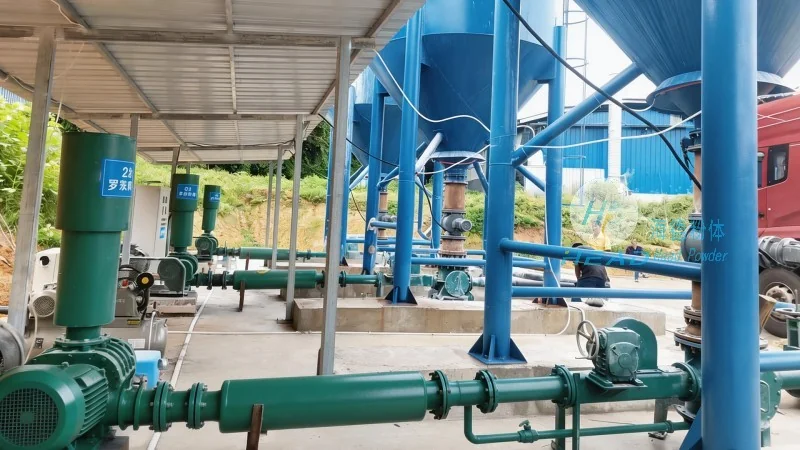
At the core of this system is the pneumatic conveying mechanism, which uses air or gas to move the sintered dust ash through a network of pipes. The system typically includes components such as a feeding hopper, a conveyor line (often with multiple branches), and a discharge unit. The design is tailored to handle the specific characteristics of sintered dust ash, which may include high moisture content, abrasive properties, or varying particle sizes. By utilizing air as the conveying medium, the system minimizes the need for mechanical contact, reducing wear and tear on equipment and ensuring a more hygienic handling process.
Key Components and Their Functions
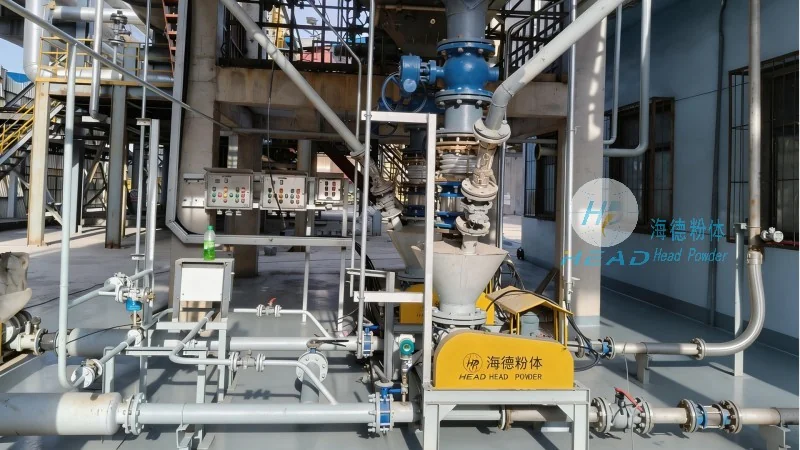
The sintered dust ash material pneumatic conveying line consists of several critical components, each playing a vital role in the overall operation. The feeding hopper is responsible for storing and feeding the sintered dust ash into the conveying system. It is designed to maintain a consistent flow rate, preventing blockages and ensuring smooth material transfer. The conveyor line itself is made of durable materials, such as stainless steel or high-grade plastic, to withstand the abrasive nature of the dust ash. The line may include various sections, such as horizontal, vertical, or inclined segments, depending on the layout of the facility and the distance the material needs to travel. The discharge unit at the end of the line collects the material and directs it to its final destination, such as a storage silo or processing equipment.
Design Principles for Efficient Operation
The design of a sintered dust ash material pneumatic conveying line is guided by several key principles to ensure optimal performance and reliability. One of the primary principles is maintaining a consistent air flow rate, which is critical for preventing material buildup and ensuring the material is conveyed at the desired speed. The system is also designed to handle variations in material characteristics, such as changes in moisture content or particle size, by adjusting the air pressure and flow rate accordingly. Another important principle is the use of appropriate equipment for each stage of the conveying process. For example, the feeding hopper may include a rotary valve or a screw feeder to control the flow of material, while the conveyor line may use a positive displacement blower or a venturi system to generate the necessary air pressure.
Advantages of the Sintered Dust Ash Material Pneumatic Conveying Line
Implementing a sintered dust ash material pneumatic conveying line offers several advantages over traditional handling methods. First, it provides a cleaner and more hygienic handling process, as the material is contained within the pipes and does not come into direct contact with the environment. This is particularly important for sintered dust ash, which may contain contaminants or be subject to regulations regarding air quality. Second, the system is more efficient in terms of energy consumption and space utilization compared to mechanical conveyors, as it requires less floor space and can be installed in a compact layout. Third, the system is more reliable and less prone to breakdowns, as it has fewer moving parts and is less susceptible to wear and tear from abrasive materials. Finally, the system can be easily integrated with other processing equipment, allowing for a seamless flow of material from the conveying line to the next stage of production.
Application in Industrial Settings
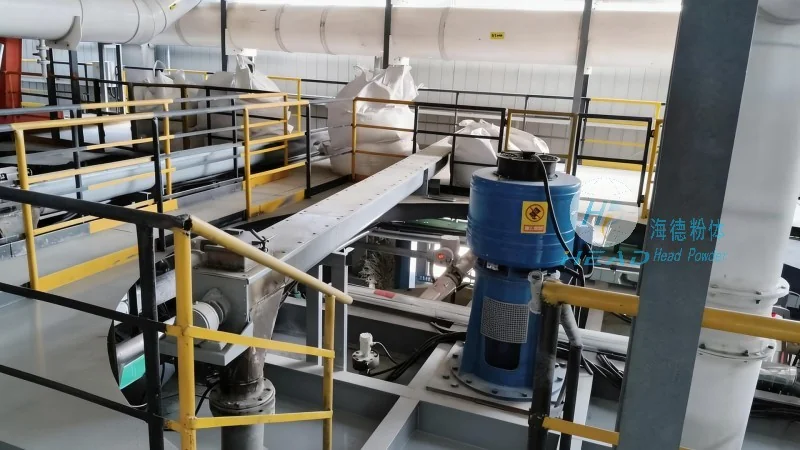
The sintered dust ash material pneumatic conveying line is widely used in various industrial settings, particularly in the mining, metallurgy, and cement industries. In these industries, sintered dust ash is a byproduct of the sintering process, which is used to convert raw materials into a more uniform and usable form. The material is often collected from the sintering furnace and needs to be transported to a storage facility or processing plant. The pneumatic conveying line provides an efficient and reliable method for handling this material, ensuring that it is transported without contamination or loss. The system is also used in other applications where fine particles need to be moved over long distances, such as in the food processing or pharmaceutical industries.
Conclusion
In conclusion, a sintered dust ash material pneumatic conveying line is a sophisticated and efficient system designed to handle the unique challenges of transporting sintered dust ash. By utilizing pneumatic conveying technology, the system offers a cleaner, more reliable, and more energy-efficient alternative to traditional handling methods. The design principles and components of the system are tailored to the specific characteristics of the material, ensuring optimal performance and minimal downtime. For industrial operations dealing with sintered dust ash, investing in a well-designed pneumatic conveying line is a smart choice that can improve overall productivity and reduce operational costs.