

What is a Pneumatic Conveying System for Lightweight and Fine Powder Materials? Understanding Its De
For industries dealing with lightweight and fine powder materials, efficient material handling is crucial. Pneumatic conveying systems have emerged as a reliable solution, offering a method to transport these materials through a network of pipes using air or gas. This article explores the concept of pneumatic conveying systems for lightweight and fine powder materials, delving into their design principles and the role of specialized engineering companies like Shandong HeadPowder Engineering Co., Ltd. (referred to as HeadPowder) in providing tailored solutions.
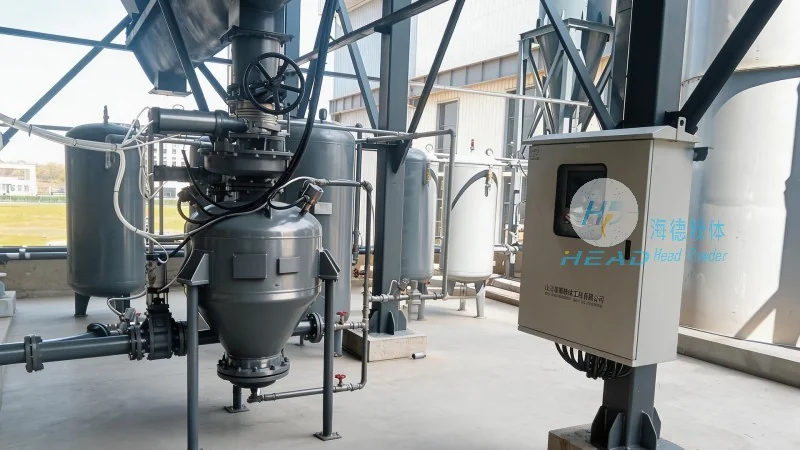
Introduction to Pneumatic Conveying Systems for Lightweight and Fine Powder Materials
Pneumatic conveying systems are designed to transport dry, free-flowing powders and granules through a closed pipeline system. These systems are particularly effective for materials that are difficult to handle using traditional methods such as belt conveyors or bucket elevators. The primary advantage of pneumatic conveying is its ability to move materials with minimal product degradation, low maintenance requirements, and the capability to handle materials in a dust-free environment. This makes it an ideal choice for industries such as pharmaceuticals, food processing, chemical manufacturing, and mining, where product purity and safety are paramount.
Key Features of Lightweight and Fine Powder Pneumatic Conveying Systems
When considering pneumatic conveying systems for lightweight and fine powder materials, several key features are essential for optimal performance. These include:
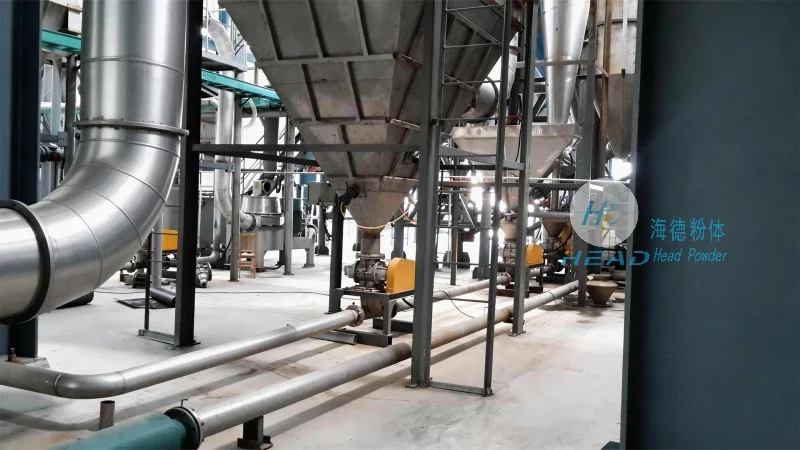
- High Efficiency and Low Pressure Drop: Modern systems are engineered to minimize energy consumption while maintaining high material throughput. Advanced designs use optimized air velocities and pipe diameters to reduce pressure losses, ensuring efficient material transport over long distances.
- Low Product Loss and Contamination: Pneumatic conveying systems are designed to prevent product loss during transport. This is achieved through the use of appropriate air-to-material ratios, which prevent material from sticking to pipe walls or settling prematurely. Additionally, the enclosed system helps maintain product purity, preventing contamination from external sources.
- Flexibility and Scalability: These systems can be easily adapted to various production needs. They can be configured for both short-distance and long-distance transport, and can be integrated with existing production lines or expanded as production scales up. This flexibility makes them a versatile solution for diverse industrial applications.
- Reduced Maintenance and Operational Costs: Compared to mechanical conveying systems, pneumatic systems often require less maintenance due to fewer moving parts. The enclosed design also reduces the need for cleaning and maintenance, leading to lower operational costs over the system's lifespan.
Design Principles Behind Pneumatic Conveying Systems
The effectiveness of a pneumatic conveying system for lightweight and fine powder materials is largely determined by its design principles. These principles are based on the fundamental physics of fluid dynamics and material behavior. Key design considerations include:
- Air Velocity and Material Velocity: The ratio of air velocity to material velocity is a critical factor. For fine powders, the air velocity must be high enough to entrain the particles but not so high as to cause excessive wear on the system components. The material velocity is typically lower than the air velocity, ensuring that the particles are carried along by the air stream without settling prematurely.
- Pipe Sizing and Layout: The diameter and length of the conveying pipes are carefully calculated based on the material's properties, such as particle size, density, and flowability. The layout of the system, including the number of bends, vertical and horizontal sections, and the placement of separation and collection equipment, is designed to minimize pressure losses and ensure smooth material flow.
- Separation and Collection Equipment: The system includes components like cyclones, filters, and hoppers that are essential for separating the conveyed material from the air stream and collecting it in a controlled manner. The design of these components is critical to ensure efficient separation and prevent product loss or contamination.
- Material Handling and Conditioning: Before entering the conveying system, the powder may undergo conditioning processes such as drying, cooling, or size reduction to improve its flowability and prevent agglomeration. This step is often integrated into the overall system design to enhance performance and reduce operational issues.
The Role of HeadPowder in Providing Customized Pneumatic Conveying Solutions
Shandong HeadPowder Engineering Co., Ltd., commonly known as HeadPowder, is a leading provider of customized pneumatic conveying solutions for industries handling lightweight and fine powder materials. With headquarters in Shandong, China, HeadPowder leverages years of experience and advanced engineering capabilities to design and manufacture systems tailored to specific customer needs. The company's approach involves a thorough understanding of the customer's material characteristics, production requirements, and operational constraints to develop optimal solutions.
HeadPowder's team of engineers utilizes state-of-the-art design software and simulation tools to model the pneumatic conveying system, ensuring that the final design meets all performance criteria. This includes optimizing air velocities, pipe dimensions, and equipment placement to achieve the highest efficiency and lowest operational costs. The company also emphasizes the use of high-quality materials and components to ensure durability and longevity of the system, reducing the need for frequent repairs and replacements.
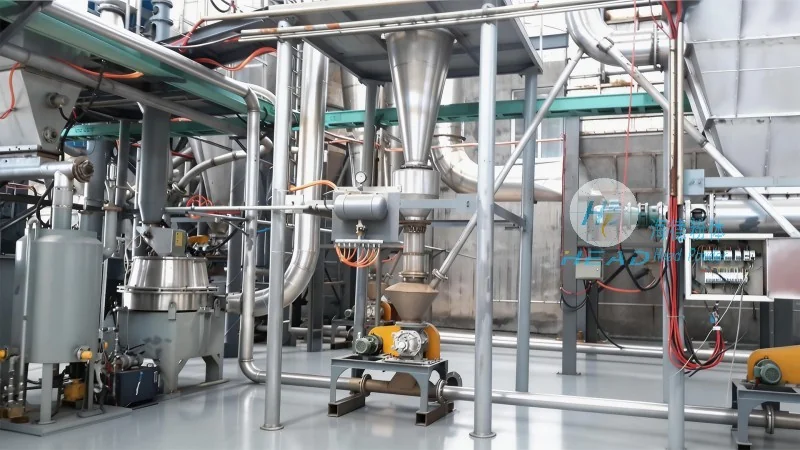
Technical Advantages of Pneumatic Conveying Systems for Powder Handling
Pneumatic conveying systems offer several technical advantages that make them superior to traditional mechanical conveying methods for lightweight and fine powder materials. These advantages include:
- Reduced Product Degradation: The enclosed and controlled environment of pneumatic systems minimizes the risk of product degradation due to exposure to air, moisture, or mechanical stress. This is particularly important for heat-sensitive or moisture-sensitive materials.
- Improved Safety and Environmental Control: The enclosed system prevents dust emissions, reducing the risk of respiratory hazards and environmental contamination. This makes pneumatic conveying a safer and more environmentally friendly option compared to open-air conveying methods.
- Enhanced Process Integration: Pneumatic systems can be easily integrated with other production processes, such as mixing, packaging, and storage. This integration allows for a seamless flow of materials from one stage to the next, improving overall production efficiency.
- Flexibility in Material Handling: These systems can handle a wide range of materials, from very fine powders to larger granules, with minimal adjustments. This flexibility makes them suitable for diverse applications and reduces the need for multiple types of conveying equipment.
In conclusion, pneumatic conveying systems for lightweight and fine powder materials are sophisticated solutions that combine advanced engineering principles with practical application. They offer significant advantages in terms of efficiency, product quality, and operational costs. Companies like Shandong HeadPowder Engineering Co., Ltd. play a vital role in developing and implementing these systems, ensuring that industries can handle their materials with precision and reliability.