When it comes to the efficient and reliable transportation of nickel sulfate, pneumatic conveying systems have emerged as a preferred solution in industrial applications. These systems utilize air or gas to move bulk materials like nickel sulfate through a pipeline network, offering advantages such as reduced labor costs, improved safety, and enhanced process control. In this article, we will delve into the working principle and key features of nickel sulfate pneumatic conveying system equipment, providing a comprehensive overview for industry professionals.
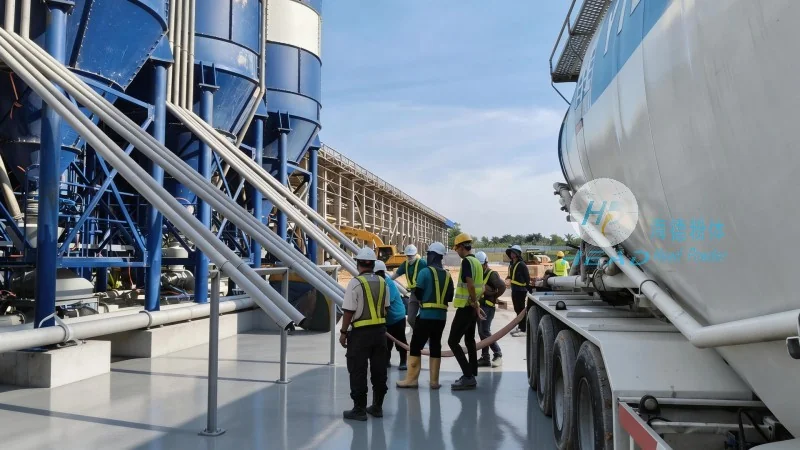
The core of a nickel sulfate pneumatic conveying system lies in its ability to transport material using pressurized air or vacuum. The system typically consists of several components, including a hopper for material storage, a feeder to control the flow rate, a conveying line, and a receiver for the discharged material. The working principle involves the material being introduced into the conveying line either by pressure or suction, depending on the system design. For pressure systems, air is compressed and introduced at the material inlet, creating a flow that propels the nickel sulfate particles through the pipeline. In contrast, suction systems use a vacuum at the receiver to draw material from the hopper. The choice between pressure and suction depends on factors like the distance of transport, material characteristics, and system layout.
One of the primary advantages of nickel sulfate pneumatic conveying systems is their ability to handle fine or dusty materials without the need for additional equipment like buckets or trucks. This not only reduces operational costs but also minimizes the risk of material contamination or spillage. The system's design allows for continuous operation, which is crucial for maintaining consistent production rates in industrial settings. Furthermore, the enclosed nature of the conveying line helps in controlling dust emissions, contributing to a safer working environment.
Another significant feature is the system's adaptability to various process requirements. Engineers can customize the system to handle different material types, flow rates, and distances. For instance, in the case of nickel sulfate, which is often used in battery manufacturing and other chemical processes, the system can be tailored to meet the specific needs of the production line. This flexibility ensures that the equipment can integrate seamlessly with existing infrastructure, minimizing downtime during installation and operation.

Efficiency is a critical aspect of nickel sulfate pneumatic conveying systems. By eliminating the need for manual handling and reducing the time required for material transfer, these systems enhance overall productivity. The use of compressed air or vacuum also allows for precise control over the material flow, preventing overloading or underloading of the conveying line. This control is essential for maintaining the quality of the nickel sulfate, as any variation in the material's consistency can impact downstream processes.
Reliability is another key feature that makes nickel sulfate pneumatic conveying systems a preferred choice for industrial applications. The components are designed to withstand the rigors of continuous operation, with robust materials and regular maintenance schedules ensuring long-term performance. The system's ability to operate in harsh environments, such as those found in chemical plants, further enhances its appeal. Additionally, the enclosed design helps in maintaining the purity of the nickel sulfate, which is vital for applications where material quality is paramount.
When considering the implementation of a nickel sulfate pneumatic conveying system, several factors must be taken into account. The system's capacity, which is determined by the flow rate and material characteristics, must match the production requirements. The distance of transport and the layout of the facility also influence the system's design. For example, longer distances may require additional boosters or larger diameter pipelines to maintain the material's velocity and prevent clogging. The choice of air or gas as the conveying medium depends on the material's properties and the desired operating pressure.
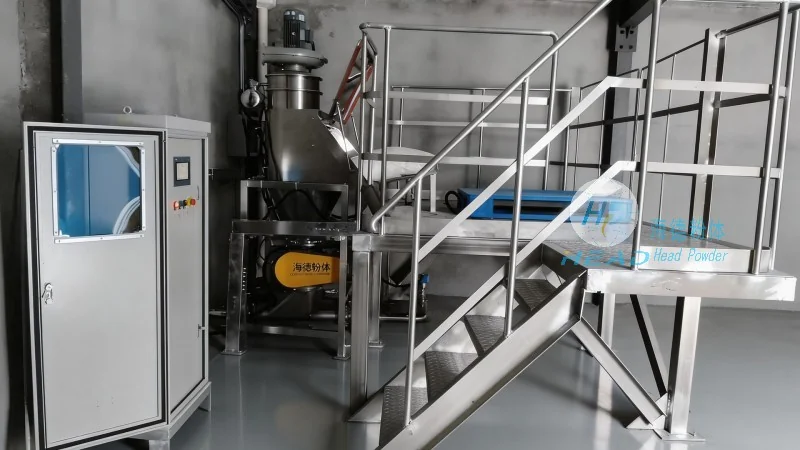
Cost-effectiveness is a significant benefit of nickel sulfate pneumatic conveying systems. While the initial investment may be higher compared to traditional methods like bucket elevators or trucks, the long-term savings in labor, maintenance, and material handling make it a worthwhile investment. The system's low maintenance requirements, due to fewer moving parts and enclosed design, further contribute to its cost-effectiveness. Additionally, the reduction in material spillage and dust emissions leads to lower environmental compliance costs.
In conclusion, nickel sulfate pneumatic conveying systems offer a reliable and efficient solution for the transportation of bulk materials. Their working principle, based on pressurized or suction air flow, allows for seamless integration into industrial processes. The key features, including adaptability, efficiency, and reliability, make these systems suitable for various applications, particularly in the chemical and battery manufacturing industries. By understanding the working principle and benefits of such systems, businesses can make informed decisions to enhance their operational performance and reduce costs.
As a leading provider in the field, Shandong HeadPowder Engineering Co., Ltd. specializes in designing and manufacturing high-quality nickel sulfate pneumatic conveying systems. With years of experience and a commitment to innovation, the company ensures that its products meet the stringent requirements of industrial applications. HeadPowder's expertise in material handling and process engineering enables the development of customized solutions tailored to the specific needs of clients. The company's facilities, located in Shandong, China, are equipped with advanced technology and skilled personnel to deliver superior products and services. By choosing HeadPowder, businesses can benefit from reliable equipment that enhances their operational efficiency and contributes to their long-term success.

 Shandong Headpowder Engineering Co., Ltd.
 156-6277-7102(Manager Zhang)
  0531-83386006
  Jinan City, Shandong Province, China
telephone
WeChatconsult
top