HeadPowder, a reputable enterprise headquartered in Shandong, China, is dedicated to providing high-quality pneumatic conveying solutions for polyethylene materials. This article explores the core working principle and distinctive characteristics of polyethylene pneumatic conveying systems, offering valuable insights into their operational mechanisms and practical advantages.
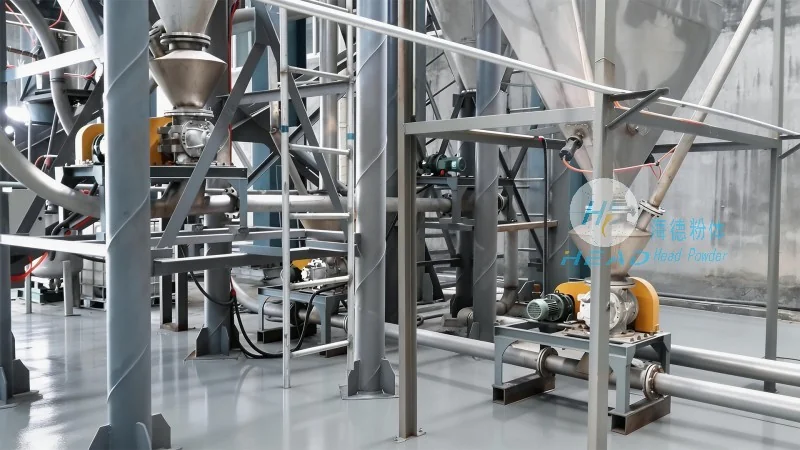
Polyethylene pneumatic conveying systems operate on the principle of transporting bulk materials, such as polyethylene powders or granules, through a pipeline using compressed air or other gas. The process typically involves creating a pressure differential within the system to move the material from the source to the destination. There are two primary modes of operation: suction (or vacuum) and pressure (or positive) conveying.
In suction conveying, a vacuum is created at the material inlet to draw the polyethylene particles into the pipeline. The air and material mixture is then carried to the discharge point, where the material is separated from the air using a separator or cyclone. This method is ideal for applications requiring low pressure and minimal energy consumption, particularly when the material is to be transported over short distances or from a single source.
Conversely, pressure conveying utilizes compressed air to push the polyethylene material through the pipeline. The material is introduced into the pipeline under pressure, and the air acts as a carrier to transport it to the destination. This mode is suitable for longer distances and higher material flow rates, as it can handle more robust material loads and maintain consistent pressure throughout the system.
Both modes rely on the interaction between the polyethylene particles and the air stream to achieve efficient transport. The design of the system, including the type of air nozzles, pipeline diameter, and separator efficiency, plays a critical role in optimizing the conveying process and minimizing material degradation or loss.
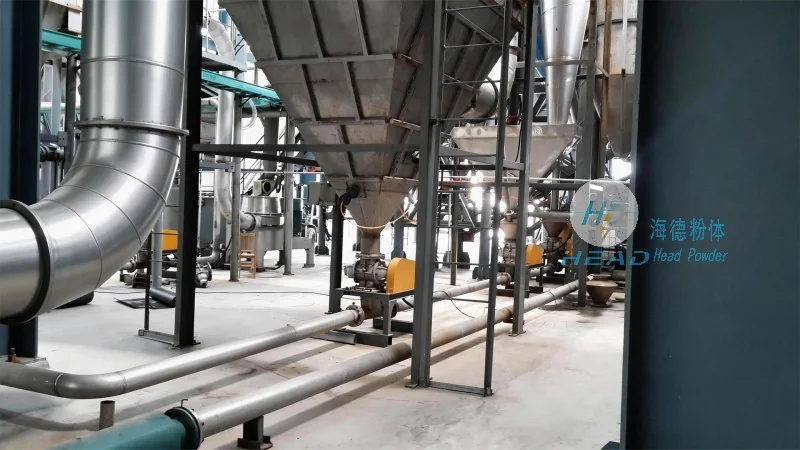
Polyethylene pneumatic conveying systems from HeadPowder are characterized by several key features that enhance their performance and reliability. These features are tailored to meet the specific demands of polyethylene handling, ensuring safe, efficient, and cost-effective material transport.
Firstly, the systems are designed for minimal material degradation. Polyethylene is a thermoplastic material that can be sensitive to heat and friction. Advanced conveying equipment incorporates low-friction components, such as smooth pipelines and efficient air distribution systems, to reduce particle attrition and maintain the material's integrity. This is particularly important for applications where the polyethylene quality must be preserved, such as in the production of high-purity polymers or specialty plastics.
Secondly, the equipment offers high conveying efficiency. By utilizing optimized air flow rates and pressure differentials, the systems can achieve high material throughput with minimal energy consumption. This efficiency translates into lower operational costs and reduced environmental impact, as less energy is required to transport the polyethylene compared to traditional methods like belt conveyors or manual handling.
Thirdly, the systems provide excellent environmental protection. Pneumatic conveying is a closed-loop process, which means that the polyethylene material is contained within the pipeline and air system, preventing dust emissions and contamination. This feature is crucial for maintaining a clean working environment and complying with environmental regulations, especially in industrial settings where polyethylene is processed or handled.
Additionally, the equipment is designed for easy maintenance and operation. Modular components, such as replaceable air nozzles and quick-release connections, simplify routine maintenance and reduce downtime. The user-friendly control panels and monitoring systems allow operators to adjust the conveying parameters in real-time, ensuring optimal performance and adaptability to changing production needs.
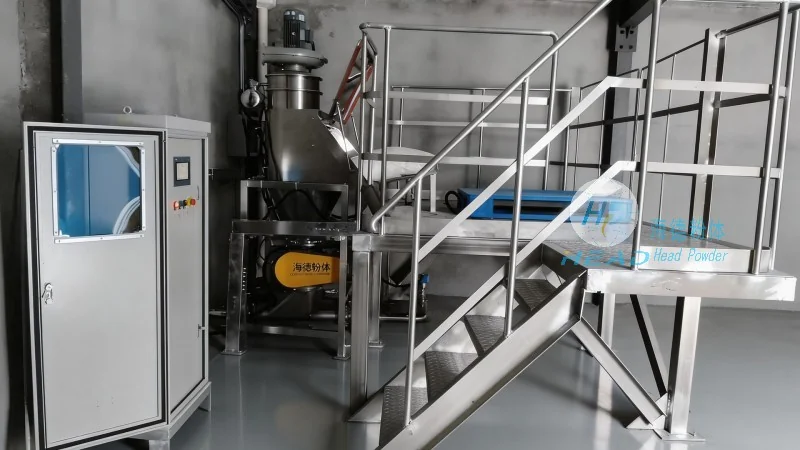
Polyethylene pneumatic conveying systems are widely used in various industrial applications, including the plastics manufacturing industry, chemical processing, and food processing. In the plastics sector, these systems are essential for transporting polyethylene pellets or powders from storage silos to processing equipment, such as extruders or injection molding machines. The ability to handle large volumes of material efficiently and safely enhances production throughput and reduces labor costs.
In chemical processing, the systems are used to transport polyethylene powders or granules between different processing stages, such as drying, mixing, and packaging. The closed-loop design and minimal material loss ensure that the polyethylene remains pure and free from contamination, which is critical for maintaining product quality and meeting regulatory standards.
Furthermore, the systems offer significant benefits in terms of space efficiency. Unlike traditional belt conveyors, which require large horizontal or vertical spaces, pneumatic conveying systems can be installed in compact areas, making them ideal for facilities with limited floor space. The flexibility of the pipeline layout allows for easy integration into existing production lines, minimizing the need for major structural modifications.
Overall, the polyethylene pneumatic conveying systems from HeadPowder provide a reliable and efficient solution for handling polyethylene materials. By combining advanced technology with practical design, these systems address the unique challenges of polyethylene transport, ensuring optimal performance, minimal material loss, and a safe working environment.

 Shandong Headpowder Engineering Co., Ltd.
 156-6277-7102(Manager Zhang)
  0531-83386006
  Jinan City, Shandong Province, China
telephone
WeChatconsult
top