HeadPowder, a leading manufacturer based in Shandong, China, specializes in the design, development, and production of advanced carbon particle pneumatic conveying systems. These systems are engineered to efficiently transport carbon-based materials such as graphite, carbon black, and other fine powders with precision and reliability. Understanding the working principle and key features of these systems is crucial for industries that rely on consistent material handling and processing. This article provides a detailed overview of the technology behind carbon particle pneumatic conveying systems, highlighting their operational mechanisms and distinctive characteristics.
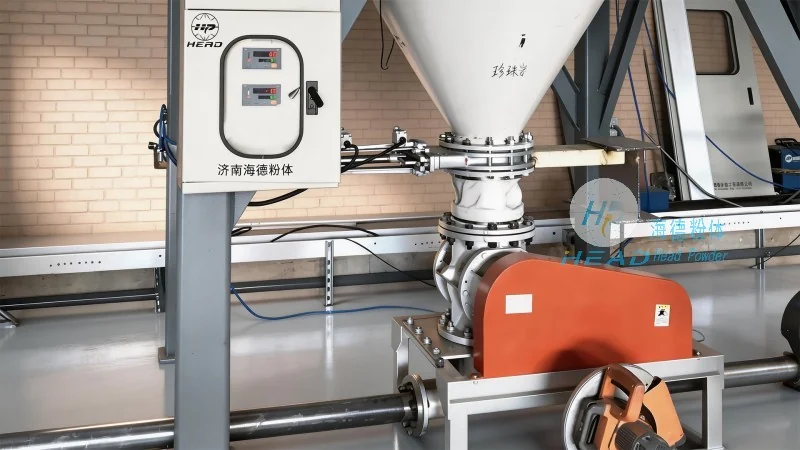
Carbon particle pneumatic conveying systems are sophisticated equipment used to move dry, free-flowing powders like carbon-based materials through a pipeline using air or other gases. Unlike traditional mechanical conveyors, these systems utilize the force of compressed air to transport materials, offering advantages such as reduced maintenance, minimal product contamination, and the ability to handle materials that are difficult to convey with conventional methods. The systems are widely adopted in industries including carbon manufacturing, battery production, and chemical processing, where the handling of fine carbon powders is essential for quality control and operational efficiency.
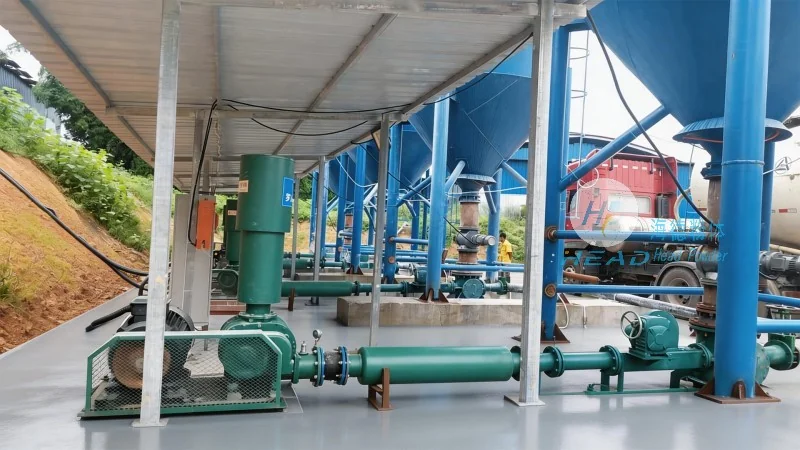
The core working principle of a carbon particle pneumatic conveying system involves the creation of a high-velocity air stream within a pipeline. The system typically consists of several key components, including a material feeder, a pressure vessel or hopper, a venturi or eductor, and a receiver or discharge unit. The process begins when carbon particles are fed into the system from the hopper. As the feeder releases the material, a high-pressure air source is introduced into the venturi or eductor, creating a vacuum or pressure differential that draws the particles into the air stream. The air and particles are then mixed and transported through the pipeline to the receiver, where the material is separated from the air and collected. The air is then filtered and either recycled back into the system or vented to the atmosphere, depending on the system design. This continuous cycle ensures efficient and consistent material transport without the need for mechanical components that can cause wear and tear or product contamination.
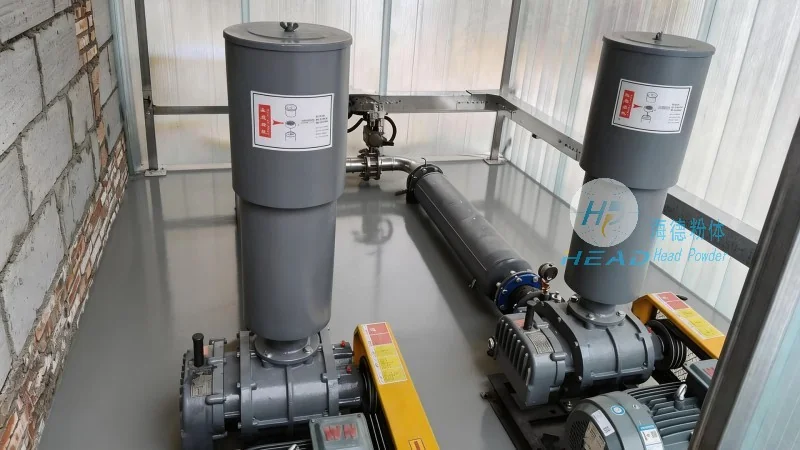
Carbon particle pneumatic conveying systems offer several distinct features that make them ideal for handling carbon-based materials. One of the primary advantages is their ability to handle fine and abrasive powders without causing degradation or contamination. The enclosed system design minimizes exposure to external elements, ensuring that the carbon particles remain pure and free from moisture or other contaminants. Additionally, these systems are highly flexible in terms of layout and can be configured to fit various plant layouts, with the ability to transport materials over long distances and through multiple turns or bends in the pipeline. The systems also provide precise control over material flow rates, allowing for consistent and accurate dosing of carbon powders into downstream processes. Another notable feature is the reduced maintenance requirements compared to mechanical conveyors, as there are fewer moving parts and less wear from abrasion. This leads to lower operational costs and increased system reliability over time. Furthermore, the systems are designed to be energy-efficient, utilizing compressed air effectively to minimize energy consumption while maintaining high transport efficiency.
In the carbon industry, the use of carbon particle pneumatic conveying systems is critical for ensuring the quality and consistency of products. These systems are commonly used in the production of carbon black, graphite, and other carbon-based materials, where the handling of fine powders is essential for achieving uniform particle size and distribution. The systems help maintain the purity of the carbon materials, which is crucial for applications such as battery anodes, lubricants, and industrial coatings. By using pneumatic conveying, manufacturers can avoid the issues associated with mechanical conveyors, such as product degradation, contamination, and material loss. The systems also contribute to improved operational efficiency by reducing downtime and maintenance, allowing for continuous production processes. The ability to handle abrasive and fine materials without damage makes these systems a preferred choice for carbon manufacturers looking to enhance their production capabilities and maintain high product quality standards.
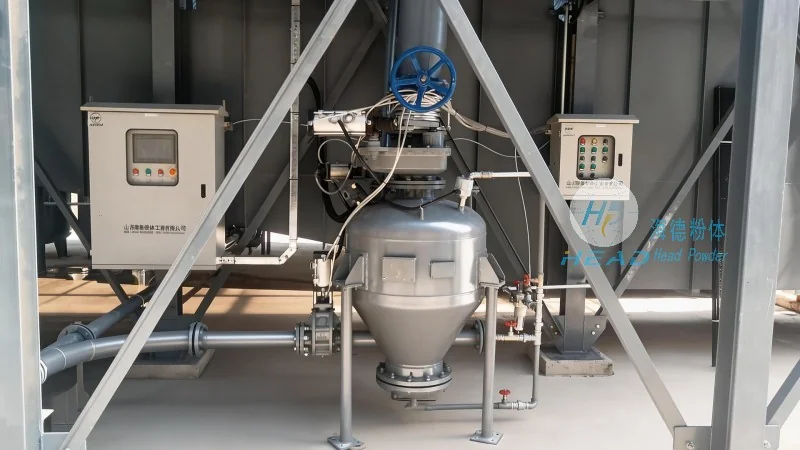
Carbon particle pneumatic conveying systems, as offered by Shandong HeadPowder Engineering Co., Ltd., represent a sophisticated solution for the efficient and reliable handling of carbon-based materials. By understanding the working principle and key features of these systems, industries can leverage this technology to improve their material transport processes, enhance product quality, and reduce operational costs. The enclosed design, precise control, and reduced maintenance requirements make these systems a valuable asset for any facility that handles fine carbon powders. With a focus on innovation and quality, HeadPowder continues to provide advanced pneumatic conveying solutions tailored to the specific needs of the carbon industry, ensuring that customers achieve optimal performance and reliability in their material handling operations.

 Shandong Headpowder Engineering Co., Ltd.
 156-6277-7102(Manager Zhang)
  0531-83386006
  Jinan City, Shandong Province, China
telephone
WeChatconsult
top