Metallurgical coke powder pneumatic conveying systems are critical in industrial operations for the efficient transport of coke powder between processing stages. These systems leverage pneumatic technology to move solid particles, offering advantages over traditional mechanical conveying methods. Understanding the working principle and key characteristics of such systems is essential for optimizing material handling in metallurgical and related industries.
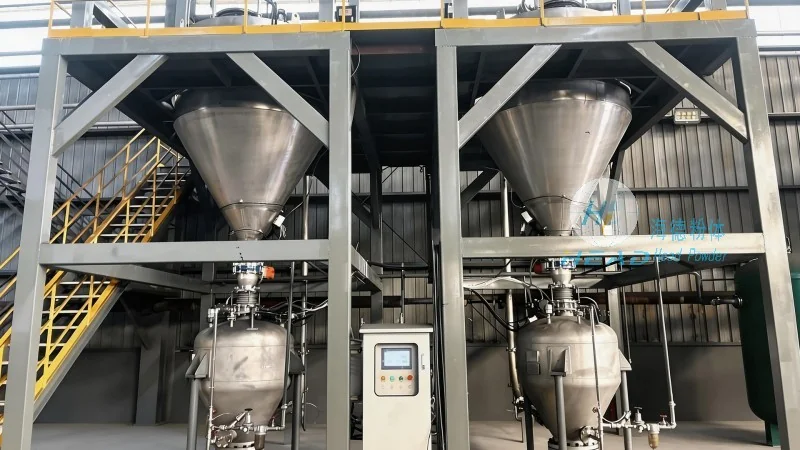
The fundamental operation of a metallurgical coke powder pneumatic conveying system revolves around using a gas stream, typically compressed air or inert gases, to transport solid particles. The system creates a pressure differential that propels the coke powder through a network of pipes. The process initiates with the coke powder being fed from a storage hopper or silo into a feed device, such as a rotary valve or a venturi feeder. This feed device ensures a consistent and controlled flow of the powder into the conveying line.
Once the coke powder enters the conveying line, a high-pressure air stream is introduced. The air, moving at a velocity sufficient to overcome gravitational and frictional forces acting on the particles, carries the coke powder along the pipeline. The combination of air velocity and particle size determines the optimal conveying velocity and pressure. As the mixture travels through the pipeline, it may encounter components like bends, expansions, or restrictions, which are designed to maintain flow stability and prevent particle segregation or blockages.
At the receiving end of the system, a separation unit—often a cyclone or a baghouse filter—is employed to separate the coke powder from the air stream. The separated powder is collected in a receiving hopper or storage container, while the cleaned air is either discharged to the atmosphere or recirculated back into the system, depending on design and environmental regulations. This separation process is vital for preserving the quality of the coke powder and ensuring compliance with air pollution control standards.
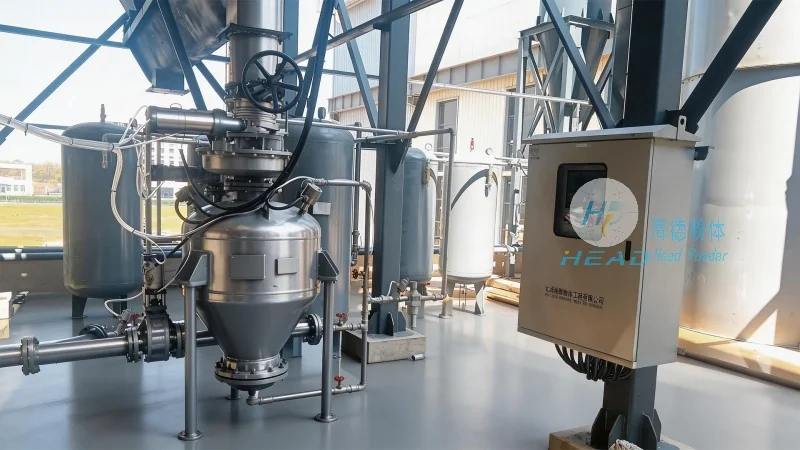
Metallurgical coke powder pneumatic conveying systems offer several distinct features and advantages that make them preferable for handling coke powder in industrial settings. One primary advantage is the ability to transport coke powder over long distances with minimal material loss and minimal environmental impact. Unlike mechanical systems, which rely on moving parts and may cause wear and tear, pneumatic systems operate with fewer moving components, reducing maintenance requirements and downtime.
Another significant feature is the system's flexibility in layout and integration. Pneumatic conveying lines can be easily routed around obstacles or through multiple levels, allowing for customized solutions tailored to specific plant layouts. This flexibility also enables the system to handle varying flow rates and particle sizes, making it adaptable to different production demands and processing stages.
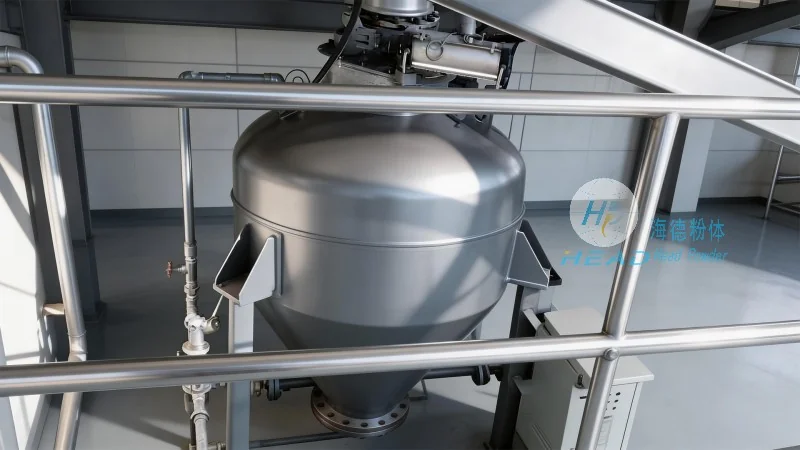
Efficiency and reliability are also key features of these systems. By using compressed air as the conveying medium, the system can achieve high throughput rates while maintaining consistent particle velocity and pressure. This ensures timely and reliable delivery of the coke powder to its destination, supporting continuous production operations. Additionally, the enclosed nature of the conveying system helps prevent dust emissions and contamination, contributing to a cleaner working environment and compliance with environmental regulations.
The maintenance requirements of pneumatic conveying systems are generally lower compared to mechanical systems. With fewer moving parts, such as belts, chains, or conveyors, the risk of mechanical failure is reduced. Routine maintenance typically involves checking air pressure, inspecting seals, and cleaning the separation and filtration components. This simplicity in maintenance contributes to lower operational costs and increased system availability.
HeadPowder, a division of Shandong HeadPowder Engineering Co., Ltd., is a professional manufacturer and supplier specializing in the design, development, and installation of advanced pneumatic conveying systems for metallurgical applications. With a focus on innovation and quality, HeadPowder provides customized solutions tailored to each client's unique needs. The company's headquarters is located in Shandong, China, where it leverages local expertise and resources to deliver reliable and efficient conveying systems that meet international standards.

 Shandong Headpowder Engineering Co., Ltd.
 156-6277-7102(Manager Zhang)
  0531-83386006
  Jinan City, Shandong Province, China
telephone
WeChatconsult
top