Limestone and gypsum are widely used in various industrial applications, such as cement production, chemical processing, and construction materials manufacturing. Efficient and reliable material handling is crucial for optimizing production processes and ensuring product quality. Pneumatic conveying systems have emerged as a preferred solution for transporting these powders due to their ability to handle fine particles and provide a dust-free operation environment. This article explores the working principle and key features of limestone and gypsum powder pneumatic conveying system equipment, highlighting the technological advancements and practical benefits offered by such systems.
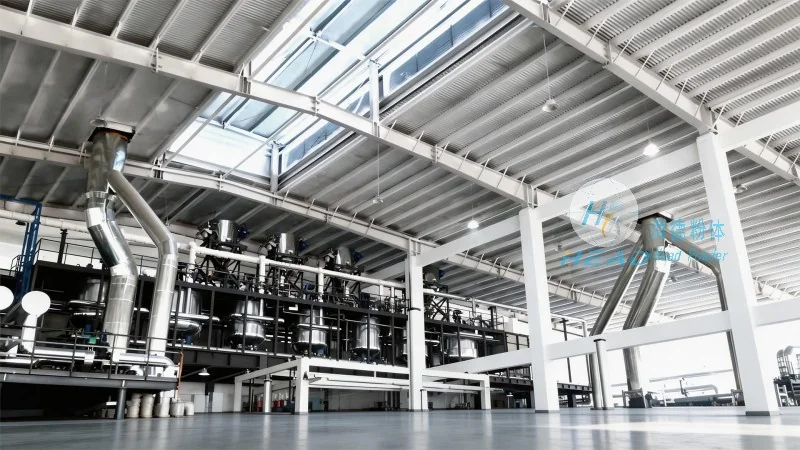
The core of a pneumatic conveying system is the method of transporting bulk materials using air or gas as the conveying medium. For limestone and gypsum powders, the system typically operates under positive pressure, where air is forced through the conveying line to move the material. The process begins with the material being fed into the system via a feeder, such as a rotary valve or a screw feeder. The feeder ensures a consistent flow of material into the pipeline. Once the material is introduced, it is mixed with the air stream, creating a slurry-like mixture that travels through the pipeline. The conveying line is designed with appropriate diameters and bends to minimize pressure drop and maintain the flow of material. At the receiving end, a separator or cyclone is used to separate the material from the air stream, allowing the material to be discharged into a storage or processing unit. The air, now free of particles, is either filtered and recirculated or released into the atmosphere, depending on the system design and environmental regulations.
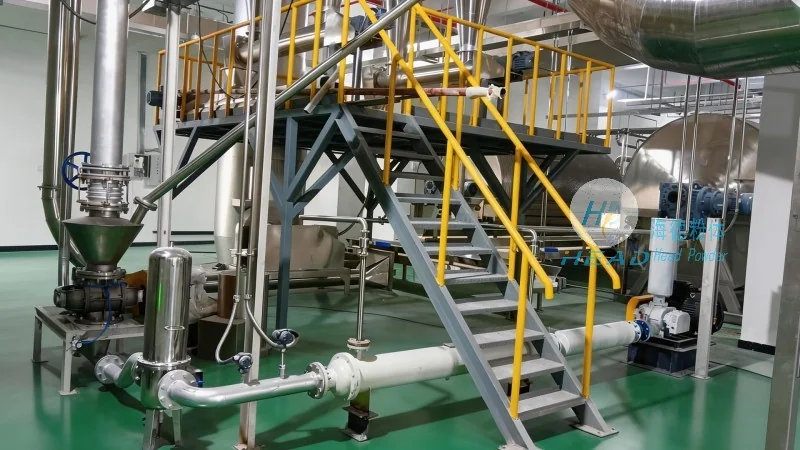
HeadPowder, a leading manufacturer based in Shandong, China, specializes in designing and manufacturing high-quality pneumatic conveying systems tailored for limestone and gypsum applications. The equipment from HeadPowder is characterized by several key features that enhance performance and operational efficiency. Firstly, the systems are equipped with advanced control systems that allow for precise regulation of air pressure, flow rate, and material feed rate. This ensures consistent and reliable material transport, minimizing variations in product quality. Secondly, the use of high-quality materials for the conveying lines and components, such as stainless steel or corrosion-resistant alloys, provides durability and resistance to the chemical properties of limestone and gypsum, which can be abrasive and corrosive. Thirdly, the systems are designed with energy efficiency in mind, utilizing optimized air flow and pressure to reduce energy consumption while maintaining effective material transport. Additionally, the equipment is equipped with safety features, including pressure relief valves and dust collection systems, to ensure safe and compliant operation. The modular design of the systems allows for easy installation, maintenance, and customization to meet specific customer requirements, making them a versatile solution for various industrial needs.
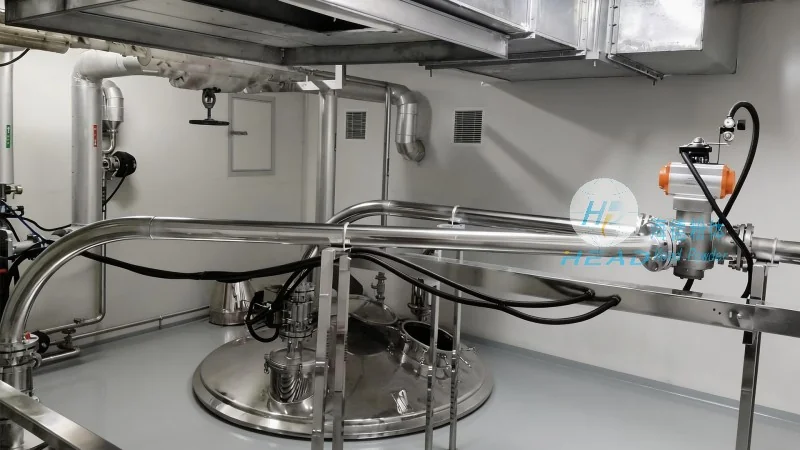
Adopting a pneumatic conveying system for limestone and gypsum powder handling offers numerous benefits that contribute to improved operational performance and cost savings. One of the primary advantages is the elimination of dust and contamination, which is critical for maintaining product quality and ensuring compliance with environmental regulations. Unlike traditional methods like belt conveyors or bucket elevators, pneumatic systems operate in a closed environment, preventing dust from escaping into the workplace and the surrounding environment. This not only improves air quality but also reduces the risk of respiratory issues for workers. Another significant benefit is the increased efficiency in material handling. Pneumatic systems can transport materials over longer distances and at higher speeds compared to traditional methods, reducing the time and labor required for material transport. This leads to improved production throughput and reduced downtime. Furthermore, the systems are highly flexible, allowing for easy integration with existing production lines and the ability to handle varying material flow rates. The automation features of the systems also contribute to reduced human intervention, minimizing the risk of errors and enhancing overall operational safety. By investing in a pneumatic conveying system from HeadPowder, industries can achieve enhanced productivity, improved product quality, and reduced operational costs, making it a valuable investment for long-term success.
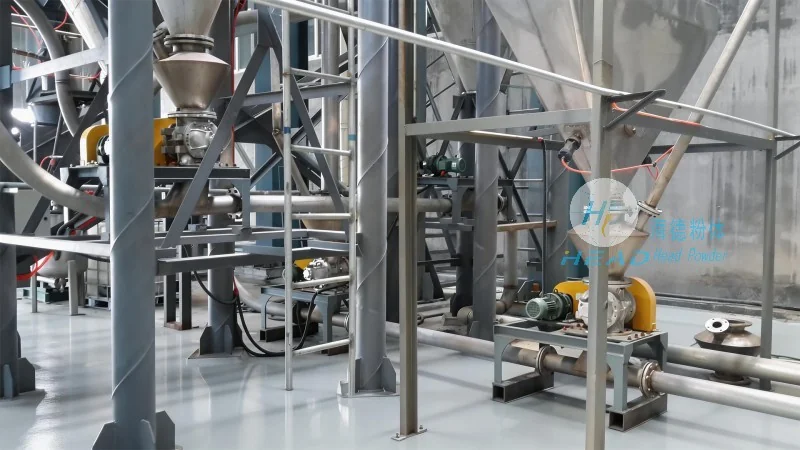
HeadPowder understands that each industrial application has unique requirements, and therefore, offers customized pneumatic conveying solutions for limestone and gypsum powder handling. The company works closely with clients to assess their specific needs, including material characteristics, processing capacity, and operational constraints, to design a system that meets their exact specifications. The customization options include different types of feeders, conveying line configurations, and separation equipment, ensuring optimal performance for the intended application. For example, in cement production, where limestone is a key raw material, the system can be designed to handle large volumes of limestone powder with high efficiency. In chemical processing, where gypsum is used as a filler or binder, the system can be tailored to handle fine gypsum particles with minimal loss. The modular design of the systems allows for easy modifications and upgrades as production needs evolve, providing a long-term solution that adapts to changing requirements. HeadPowder's expertise in pneumatic conveying technology enables them to provide tailored solutions that address the specific challenges of each application, ensuring that the system operates at its best performance level.

 Shandong Headpowder Engineering Co., Ltd.
 156-6277-7102(Manager Zhang)
  0531-83386006
  Jinan City, Shandong Province, China
telephone
WeChatconsult
top