Organic fertilizer pneumatic conveying systems are critical components in modern agricultural and industrial operations, designed to efficiently transport bulk organic materials such as compost, manure, and other organic waste. These systems leverage the principles of pneumatic technology to move materials from one location to another without the need for mechanical components like belts or buckets. Understanding the working principle and key features of such equipment is essential for optimizing material handling processes and enhancing operational efficiency.
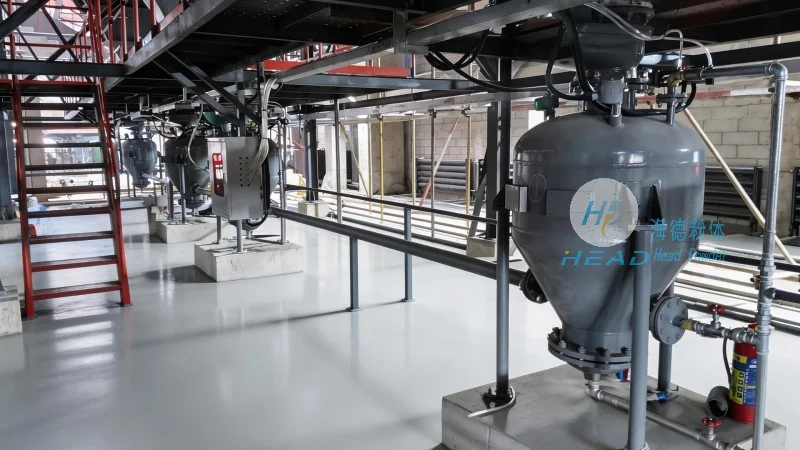
Shandong HeadPowder Engineering Co., Ltd., a leading manufacturer based in China, specializes in the design, development, and implementation of advanced pneumatic conveying solutions tailored for organic fertilizer applications. The company's expertise lies in creating customized systems that meet the unique demands of agricultural and waste management industries. By integrating cutting-edge technology with robust engineering, HeadPowder ensures that their systems deliver reliable performance, minimal maintenance, and high material throughput.
The core of an organic fertilizer pneumatic conveying system is the air flow mechanism, which uses compressed air to transport bulk materials. The system typically consists of a hopper for material storage, a conveyor line (often a pipe), and a receiver for the discharged material. The process begins when organic fertilizer is fed into the hopper. A fan or blower then generates high-pressure air, which is introduced into the conveyor line. As the air flows through the pipe, it lifts and propels the material particles along the path, moving them from the source to the destination. The air velocity is carefully controlled to ensure that the material is conveyed without excessive wear on the system components and without causing blockages or clogging.
Key components in the working principle include the material feeder, which controls the flow rate of the organic fertilizer into the system, and the air compressor or blower, which provides the necessary pressure to move the material. The receiver at the end of the conveyor line collects the conveyed material and may include a dust collection system to ensure environmental compliance. The entire process is automated, with sensors and controls monitoring air pressure, material flow, and system performance to maintain optimal operation.
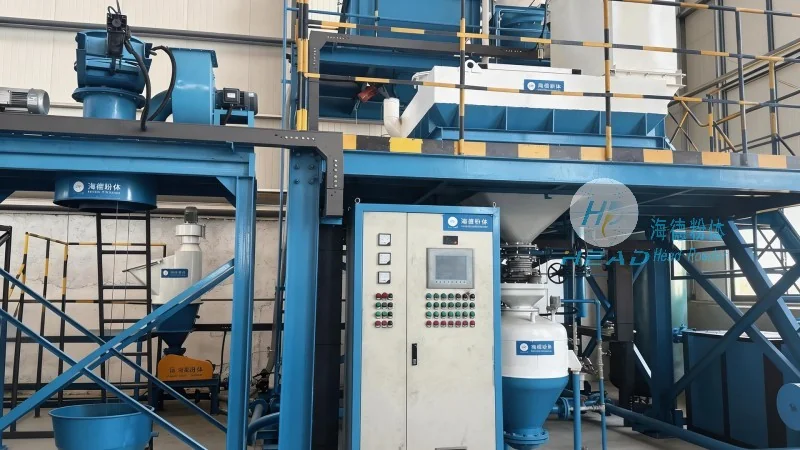
Organic fertilizer pneumatic conveying systems from Shandong HeadPowder Engineering Co., Ltd. are distinguished by several key features that enhance their performance and reliability. One of the primary advantages is the ability to handle a wide range of organic materials, including compost, manure, and other bulk organic waste, without the need for pre-processing or conditioning. The systems are designed to minimize material degradation and maintain the quality of the organic fertilizer during transport.
Another significant feature is the system's flexibility in terms of layout and configuration. Pneumatic conveying systems can be customized to fit various spatial constraints, with the conveyor lines being installed horizontally, vertically, or at an angle. This adaptability allows for integration into existing facilities or new construction projects without major structural modifications. The systems also offer high material throughput rates, capable of transporting large volumes of organic fertilizer efficiently, which is crucial for meeting the demands of modern agricultural and waste management operations.
Reliability and durability are also critical features of these systems. The components, such as the air compressor, fan, and conveyor pipes, are constructed from materials resistant to corrosion and wear, ensuring long-term operation with minimal downtime. Additionally, the systems are equipped with advanced control systems that provide real-time monitoring and diagnostics, allowing for quick identification and resolution of any issues that may arise. This proactive approach to maintenance helps to extend the lifespan of the equipment and reduce operational costs.
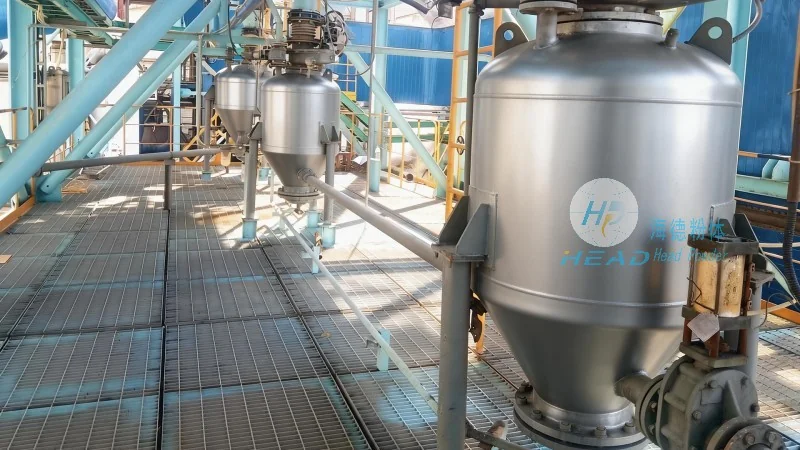
The adoption of organic fertilizer pneumatic conveying systems brings numerous benefits to agricultural and industrial operations. Firstly, they significantly improve material handling efficiency by eliminating the need for manual or mechanical transport methods, which are often slower and more labor-intensive. The automated nature of the systems reduces the risk of human error and ensures consistent material flow, leading to higher productivity.
Secondly, these systems enhance safety in the workplace. By removing the need for workers to handle heavy or bulky organic materials manually, the risk of injuries and accidents is minimized. The enclosed conveyor lines also help to contain dust and odors, improving the working environment and reducing the impact on the surrounding community.
Thirdly, the systems contribute to cost savings over time. While the initial investment may be higher compared to traditional transport methods, the long-term benefits include reduced labor costs, lower maintenance expenses due to the robust design, and increased material throughput. The ability to transport large volumes of organic fertilizer efficiently also helps to optimize storage and processing operations, further reducing operational costs.
Organic fertilizer pneumatic conveying systems are widely used in various applications within the agricultural and waste management sectors. In composting facilities, these systems are used to transport raw organic materials from storage areas to the composting reactors or from the reactors to the curing and packaging stages. In livestock farms, they help to move manure from barns to storage or processing areas, facilitating the management of animal waste and the production of organic fertilizer.
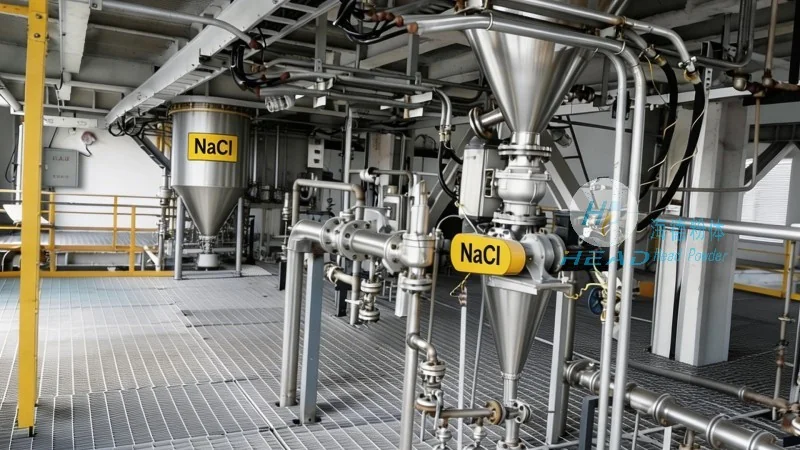
When implementing a pneumatic conveying system, several operational considerations must be taken into account. The first is the selection of the appropriate air velocity and pressure based on the characteristics of the organic material being conveyed. Different materials have varying particle sizes and densities, which affect the required air flow rate. Proper sizing of the air compressor and conveyor pipe diameter is crucial to ensure efficient and reliable transport. Additionally, the system layout must be designed to minimize the number of bends and changes in direction, as excessive bends can cause material buildup and reduce system efficiency.
Regular maintenance is another critical operational consideration. The air compressor and fan components require periodic inspection and cleaning to prevent dust accumulation and ensure optimal performance. The conveyor pipes should be checked for any signs of wear or damage, and the material feeder should be maintained to ensure consistent material flow. By adhering to a regular maintenance schedule, the system's reliability and lifespan can be maximized.
Organic fertilizer pneumatic conveying systems, as exemplified by the solutions offered by Shandong HeadPowder Engineering Co., Ltd., represent a sophisticated and efficient approach to material handling in the agricultural and waste management industries. By understanding the working principle and leveraging the key features of these systems, operators can enhance their operational efficiency, improve safety, and reduce costs. The adaptability and reliability of pneumatic conveying technology make it an ideal choice for modern organic fertilizer processing and distribution, contributing to sustainable agricultural practices and waste management strategies.

 Shandong Headpowder Engineering Co., Ltd.
 156-6277-7102(Manager Zhang)
  0531-83386006
  Jinan City, Shandong Province, China
telephone
WeChatconsult
top