Low-pressure powder conveying lines are essential industrial equipment designed to transport bulk powders efficiently and safely under low-pressure conditions. These systems are widely used in various industries, including pharmaceuticals, food processing, chemicals, and mining, where the handling of fine or cohesive powders requires specialized solutions to prevent clogging, dust generation, and material degradation. The design of low-pressure powder conveying lines focuses on maintaining stable flow, minimizing pressure differentials, and ensuring reliable operation in demanding environments.
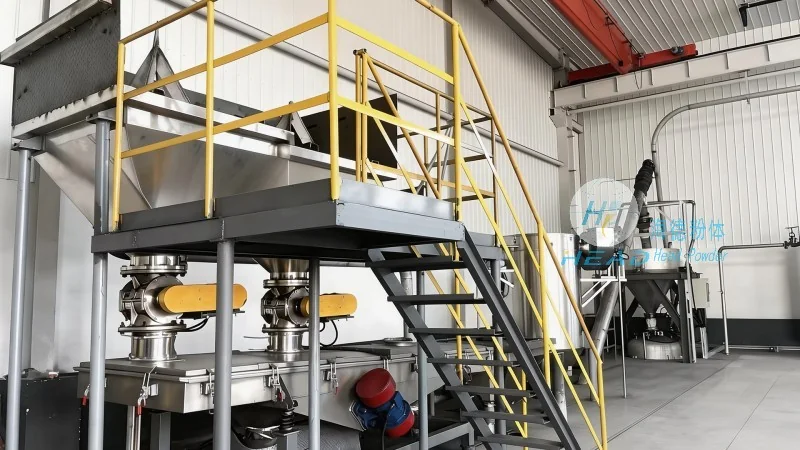
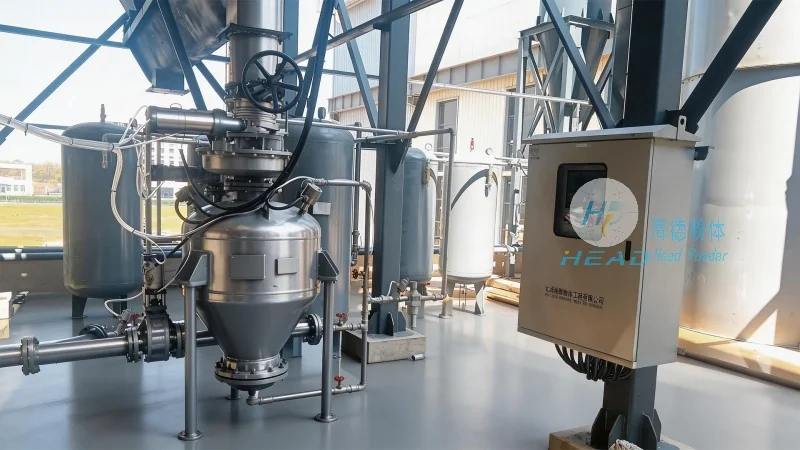
The core working principle of low-pressure powder conveying lines involves creating a slight pressure differential to move powders through a closed pipeline system. Unlike high-pressure pneumatic conveying, which uses high velocities and pressures, low-pressure systems operate at lower air velocities (typically 10-20 m/s) and pressures (around 0.5-1 bar above ambient). This approach reduces energy consumption while maintaining sufficient momentum to overcome friction and gravity. The system typically consists of a blower or fan that generates a low-pressure airflow, a hopper or feeder to introduce the powder, and a pipeline network that transports the material to the discharge point. The air-powder mixture travels through the pipeline, with the air providing the necessary force to move the powder particles. At the discharge end, a separator or cyclone separates the air from the powder, allowing the powder to be collected in a container or processing unit. The air is then recirculated or discharged, completing the cycle.
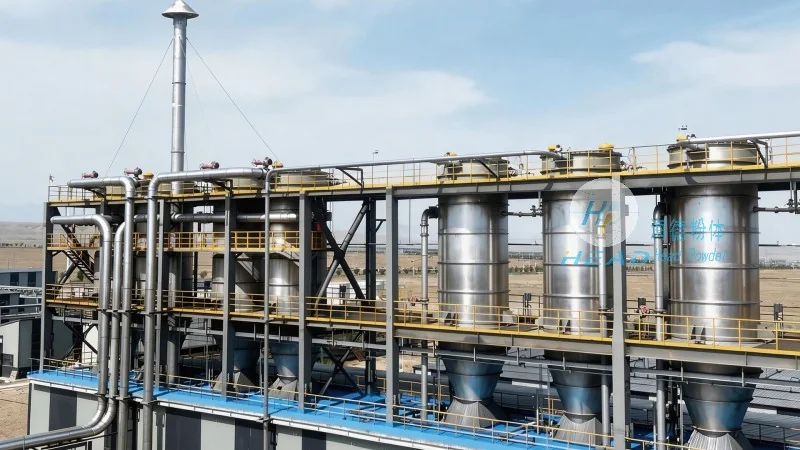
Low-pressure powder conveying lines offer several distinct features and advantages that make them suitable for a wide range of applications. One of the primary advantages is their energy efficiency, as they operate at lower pressures and velocities compared to high-pressure systems, resulting in reduced operational costs. Additionally, these systems are gentler on the powder, minimizing particle breakage and preserving the physical properties of the material, which is crucial for sensitive products like pharmaceuticals or food ingredients. The low-pressure design also reduces the risk of dust explosions and improves safety in industrial settings. Another key feature is the ability to handle a variety of powder types, including cohesive, fine, or abrasive materials, without requiring extensive modifications to the system. The closed pipeline design ensures that dust is contained, reducing environmental contamination and improving workplace safety. Furthermore, low-pressure systems are relatively simple to install and maintain, with fewer components and lower maintenance requirements compared to high-pressure alternatives. This makes them a cost-effective solution for both new installations and retrofitting existing facilities.
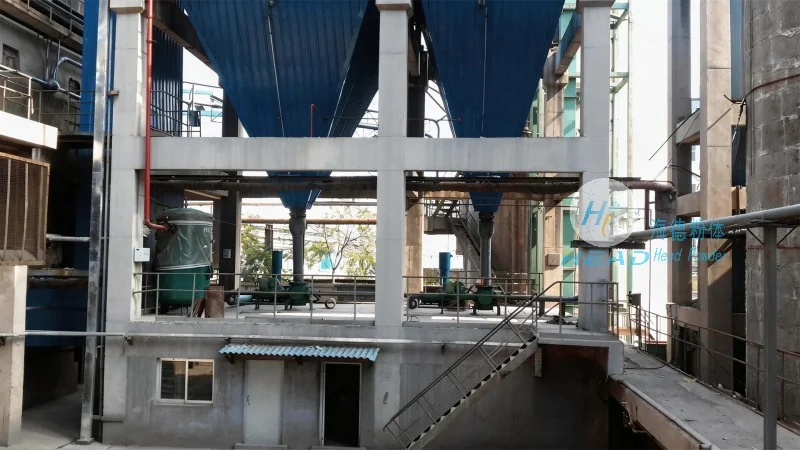
Low-pressure powder conveying lines are utilized in numerous industries where the handling of bulk powders is critical. In the pharmaceutical industry, these systems are used to transport raw materials, such as active pharmaceutical ingredients (APIs) and excipients, from storage to processing units, ensuring a clean and controlled environment. The food processing industry relies on low-pressure conveying for handling powders like flour, sugar, and spices, maintaining product quality and preventing contamination. The chemical industry uses these systems to transport various powders, including catalysts, pigments, and reagents, in manufacturing processes. Mining and mineral processing applications also benefit from low-pressure conveying for transporting raw ores, tailings, and other bulk materials. Additionally, the agricultural sector utilizes these systems for handling fertilizers, seeds, and other agricultural powders, improving efficiency in farm operations. The versatility of low-pressure powder conveying lines makes them an essential component in many industrial processes, supporting productivity and operational efficiency.
Shandong HeadPowder Engineering Co., Ltd. is a leading manufacturer and supplier of industrial powder handling equipment, specializing in the design, development, and production of low-pressure powder conveying lines. With a strong commitment to quality and innovation, the company has established itself as a trusted partner for businesses seeking reliable and efficient powder transport solutions. HeadPowder's expertise lies in creating customized systems tailored to the specific needs of each client, ensuring optimal performance and compliance with industry standards. The company's facilities are located in Shandong, China, where it leverages advanced manufacturing technologies and a skilled workforce to produce high-quality equipment. By focusing on customer satisfaction and technical excellence, HeadPowder has built a reputation for delivering durable and cost-effective solutions that meet the demands of modern industrial applications.

 Shandong Headpowder Engineering Co., Ltd.
 156-6277-7102(Manager Zhang)
  0531-83386006
  Jinan City, Shandong Province, China
telephone
WeChatconsult
top