

[WOKING PRINCIPLE AND CHARACTERISTICS OF POLYVINYL ALCOHOL FORMALDEHYDE MATERIAL HANDLING]
Understanding the working principle and characteristics of polyvinyl alcohol formaldehyde (PVOH) material handling is crucial for optimizing industrial processes that involve this versatile polymer. This article delves into the fundamental mechanisms behind the transport and handling of PVOH, highlighting key features that make it an effective solution in various applications.

Polyvinyl Alcohol Formaldehyde: An Overview
Polyvinyl alcohol formaldehyde, commonly known as PVOH, is a synthetic polymer derived from polyvinyl alcohol (PVA) through a formaldehyde condensation reaction. This process modifies the molecular structure of PVA, imparting unique properties such as improved solubility, enhanced film-forming ability, and better resistance to hydrolysis. PVOH is widely used in industries like pharmaceuticals, textiles, and coatings due to its biocompatibility and functional attributes. The material handling of PVOH involves specialized equipment and techniques to ensure efficient and safe transportation from production to end-use applications.
The Working Principle of PVOH Material Transport
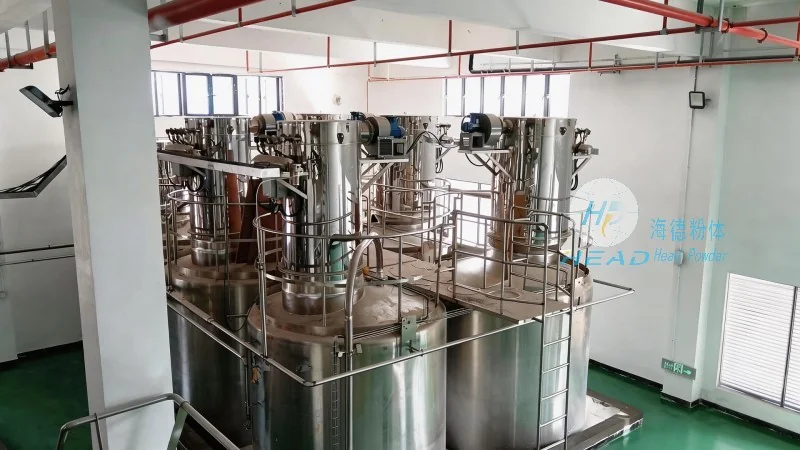
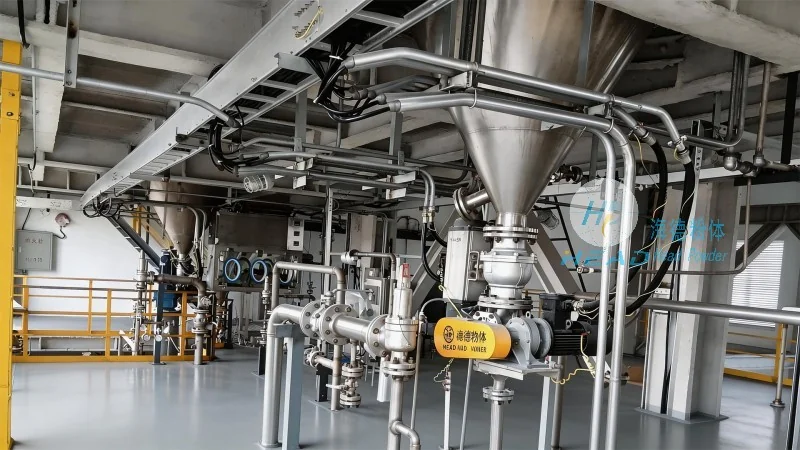
The working principle of PVOH material handling centers on the interaction between the polymer and the transport system. Typically, PVOH is processed in a liquid or slurry form, requiring precise control of temperature and pressure to maintain its viscosity and flow characteristics. The transport process often involves pumps, conveyors, and storage tanks that are designed to handle the specific rheological properties of PVOH. For instance, in bulk material handling, screw conveyors or pneumatic systems may be employed to move PVOH from storage silos to processing units. The key is to maintain the material's integrity and prevent degradation during transit, which is achieved through temperature regulation and gentle handling mechanisms.
Key Characteristics of PVOH Material Handling Systems
Several distinct characteristics define the performance of PVOH material handling systems. First, the material's hygroscopic nature requires moisture control to prevent clumping or caking, which can affect flow rates and equipment efficiency. Advanced handling systems incorporate drying or dehumidification steps to maintain optimal moisture levels. Second, PVOH's viscosity can vary significantly with temperature, necessitating temperature-controlled pipelines and storage vessels to ensure consistent flow. Third, the polymer's ability to form films and adhesives means that handling equipment must be constructed from materials resistant to chemical attack, such as stainless steel or specialized coatings. Additionally, the system's design must account for the material's potential to adhere to surfaces, requiring regular cleaning and maintenance to prevent blockages. These characteristics collectively influence the choice of equipment and operational protocols for PVOH material transport.
Operational Considerations for PVOH Material Handling
Effective PVOH material handling involves several operational considerations that ensure safety and efficiency. Temperature management is paramount, as PVOH becomes more viscous at lower temperatures and may solidify if not properly heated. Processors often use heated pipelines and storage tanks to maintain the material in a fluid state. Additionally, the system must be equipped with monitoring tools, such as flow meters and pressure sensors, to detect any deviations in performance. Regular maintenance is critical to prevent equipment wear and tear, as PVOH can be abrasive on certain surfaces. The handling process also requires adherence to safety protocols, including proper ventilation and protective equipment, due to the potential for dust or fumes during material transfer. By addressing these operational aspects, industries can optimize the performance of PVOH material handling systems and minimize downtime.
Conclusion
In summary, the working principle and characteristics of polyvinyl alcohol formaldehyde material handling are shaped by the unique properties of the polymer and the requirements of industrial applications. By understanding these aspects, companies can select appropriate equipment and implement effective operational strategies to ensure efficient and safe transport of PVOH. The expertise of manufacturers like Shandong HeadPowder Engineering Co., Ltd. plays a vital role in developing tailored solutions that meet the specific needs of clients in various sectors, contributing to the overall success of PVOH-based processes.