

Working Principle and Features of Ship Loading and Unloading Material Handling Systems
Shandong HeadPowder Engineering Co., Ltd., a leading manufacturer based in Shandong, China, specializes in the design, development, and implementation of advanced material handling solutions for maritime operations. This article explores the fundamental working principles and key characteristics of ship loading and unloading material handling systems, which are crucial for optimizing cargo transfer efficiency in port environments.
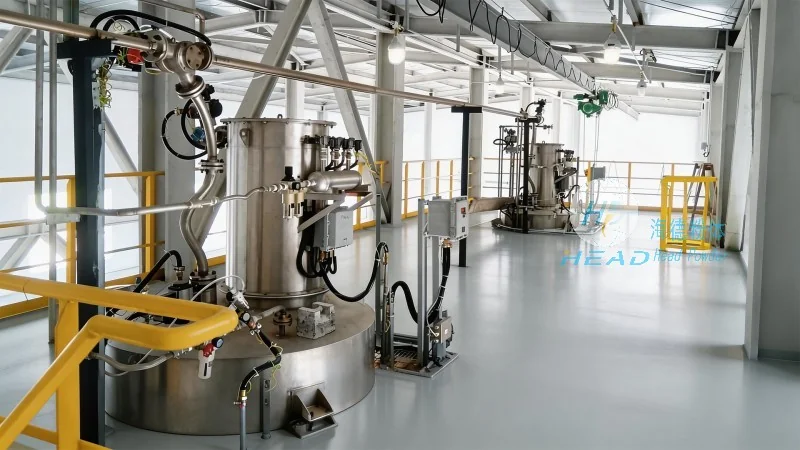
Working Principle of Ship Loading and Unloading Material Handling Systems
The core function of these systems is to facilitate the seamless transfer of bulk materials between vessels and shore-based facilities. The process typically begins with the vessel arriving at the port, where the system is activated to begin the loading or unloading operation. Key components such as conveyor belts, hoists, and automated loading arms work in tandem to move materials from the ship's hold to the shore or vice versa. The system often incorporates sensors and control mechanisms to ensure precise material flow, minimizing downtime and maximizing throughput. For instance, in a typical loading scenario, bulk materials like grains or minerals are discharged from the vessel's hold into a hopper, which then feeds a conveyor belt that transports the cargo to storage silos or trucks on the shore. The unloading process follows a similar sequence but in reverse, with materials being loaded onto the vessel from the shore. The integration of mechanical and electrical systems ensures that the operation is both efficient and safe, adhering to industry standards for material handling.
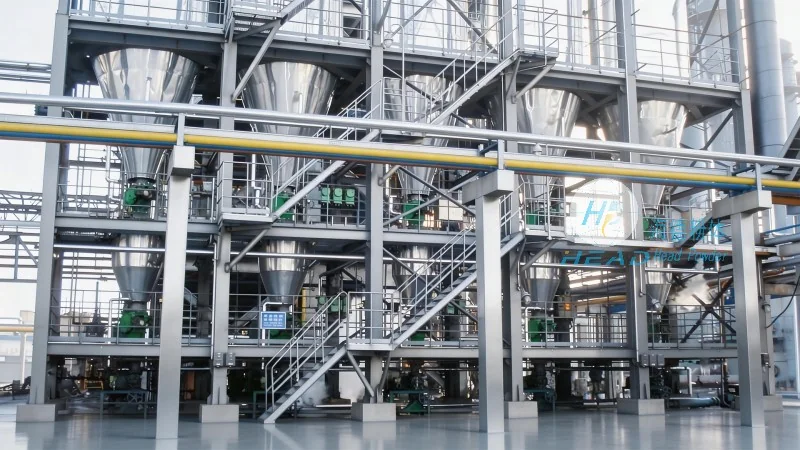
Key Features of Ship Loading and Unloading Material Handling Systems
Ship loading and unloading material handling systems are characterized by several distinct features that enhance their performance and reliability. One of the primary features is their high capacity and continuous operation, which allows for the handling of large volumes of cargo in a short period. This is achieved through the use of robust conveyor systems and high-capacity hoists that can handle heavy loads without compromising speed. Another notable feature is the system's adaptability, as it can be customized to accommodate different types of vessels and cargo, including bulk carriers, container ships, and specialized vessels. The integration of automation and control systems further enhances the system's efficiency, as it minimizes the need for manual intervention and reduces the risk of human error. Additionally, these systems are designed with safety in mind, incorporating features such as emergency stop buttons, overload protection, and collision detection to prevent accidents and ensure the safety of personnel and equipment. The use of durable materials and advanced manufacturing techniques ensures that the system can withstand the harsh marine environment, providing long-term reliability and low maintenance costs.
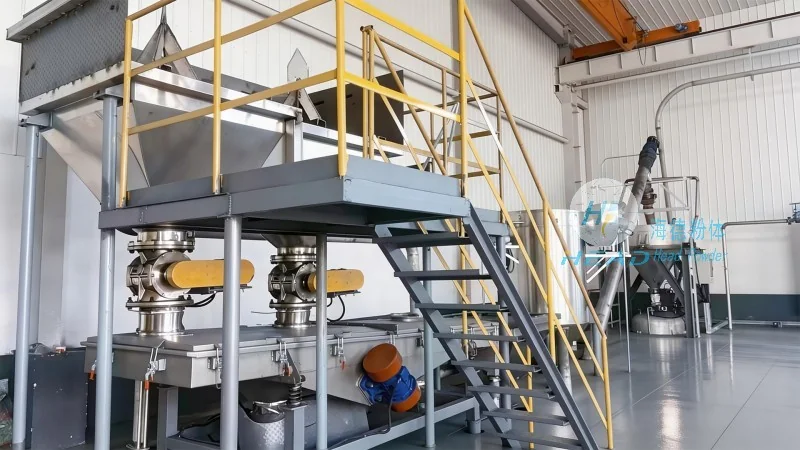
Advantages of Using Ship Loading and Unloading Material Handling Systems
Implementing ship loading and unloading material handling systems offers numerous advantages for port operators and cargo handlers. The most significant benefit is the substantial improvement in operational efficiency, as these systems can handle large volumes of cargo at a much faster rate compared to traditional manual methods. This leads to reduced turnaround times for vessels, which in turn increases the overall productivity of the port. Another key advantage is the reduction in labor costs, as the automation of the material handling process reduces the need for manual labor, thereby lowering operational expenses. The systems also contribute to enhanced safety by minimizing the risk of accidents and injuries associated with manual handling of heavy materials. Furthermore, the use of advanced technology in these systems allows for better monitoring and control of the cargo flow, enabling real-time tracking and optimization of operations. This level of visibility helps in identifying and resolving issues promptly, ensuring smooth and efficient cargo transfer. The durability and low maintenance requirements of these systems also contribute to long-term cost savings, as they require less frequent repairs and replacements compared to older, less efficient systems.