

Working Principle and Features of Aerodynamic Conveying Equipment for Expanded Clay Aggregate Materi
This document provides an overview of the working principle and key features of aerodynamic conveying equipment designed for transporting expanded clay aggregate materials. The equipment is engineered to efficiently handle the unique characteristics of this lightweight, porous material, ensuring reliable and low-maintenance operation in industrial applications.

Working Principle of Aerodynamic Conveying Systems
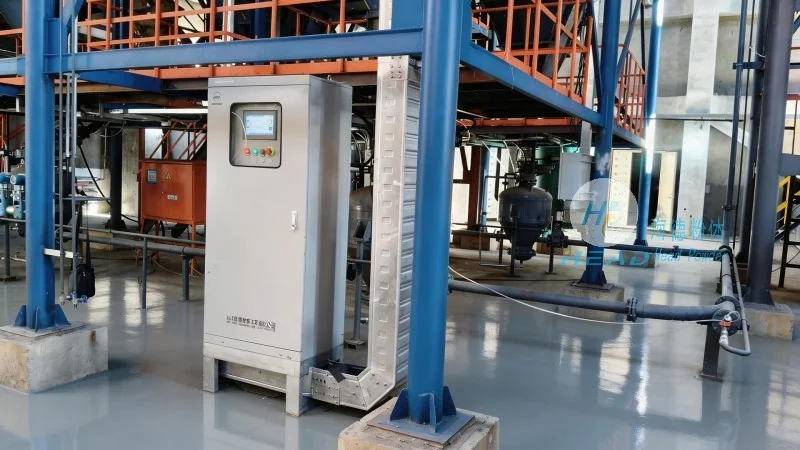
The core mechanism of aerodynamic conveying involves the use of compressed air to create a flow that propels the material through a pipeline. In the case of expanded clay aggregate, the system typically operates by drawing the material into a hopper or feeder, where it is then introduced into a high-velocity air stream. This air stream, generated by a blower or fan, carries the particles along the pipeline to the discharge point. The design of the conveying line, including the angle and length of the pipe, is optimized to minimize pressure drop and energy consumption while maintaining consistent material flow rates. The system may incorporate features such as pulse-jet cleaning or adjustable air valves to control the flow and prevent blockages, which is crucial for handling the abrasive and lightweight nature of expanded clay aggregate.
Key Features of Aerodynamic Conveying Equipment for Expanded Clay Aggregate
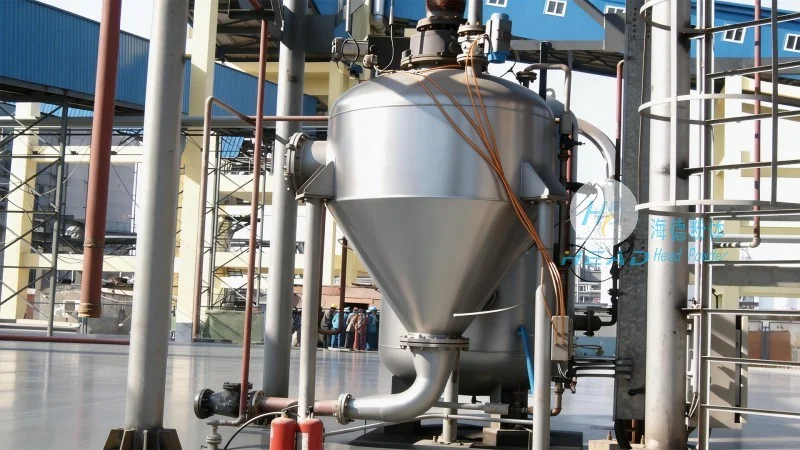
Several critical features distinguish this type of equipment from other conveying methods. First, the equipment is built with corrosion-resistant materials, such as stainless steel or specialized coatings, to withstand the chemical and physical properties of expanded clay aggregate, which can be abrasive and contain moisture. Second, the system includes advanced control systems that allow for real-time monitoring of pressure, flow rate, and material level, enabling operators to adjust settings dynamically and prevent system failures. Third, the design incorporates energy-efficient components, such as variable-frequency drives for the blower, which optimize power usage based on the material load. Additionally, the equipment is designed for easy maintenance, with accessible components and modular construction that simplifies repairs and reduces downtime. These features collectively enhance the reliability, efficiency, and longevity of the conveying system.
Application and Performance Considerations
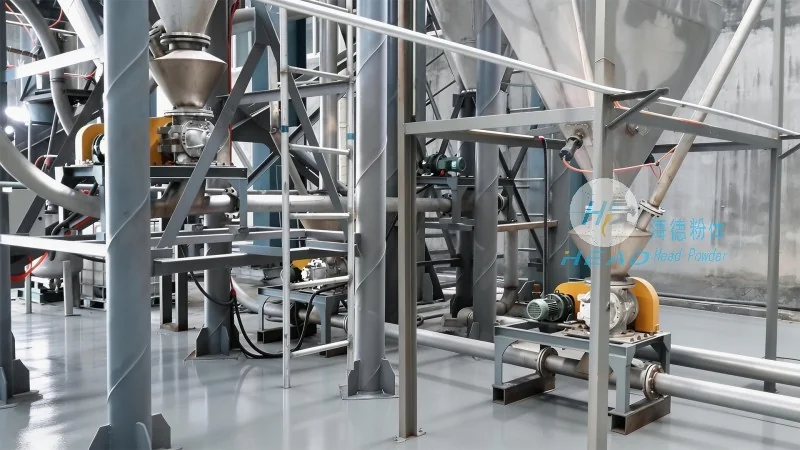
The aerodynamic conveying equipment is particularly suitable for applications where the expanded clay aggregate needs to be transported over moderate distances, typically up to several hundred meters, with minimal pressure loss. The system's ability to handle the material's low density and high porosity makes it ideal for processes such as concrete production, where the aggregate is used as a lightweight filler or structural component. Performance metrics, such as the maximum conveying capacity and the required air pressure, are determined by factors like the material's bulk density, particle size distribution, and the length and layout of the pipeline. Proper sizing of the blower and pipeline diameter is essential to ensure optimal performance and avoid excessive energy consumption or material degradation.