

Working Principle and Features of a Barium Sulfate Material Pneumatic Conveying System
HeadPowder, a division of Shandong HeadPowder Engineering Co., Ltd., is a leading provider in the field of material handling solutions. The company specializes in the design, manufacturing, and installation of pneumatic conveying systems for various industrial applications. This article focuses on the working principle and key features of a barium sulfate material pneumatic conveying line, highlighting how such systems efficiently transport this specific material while ensuring operational efficiency and reliability. HeadPowder, based in Shandong, China, has extensive experience in developing customized material handling solutions that meet the unique needs of industrial clients.
Understanding the Working Principle of Barium Sulfate Pneumatic Conveying Systems
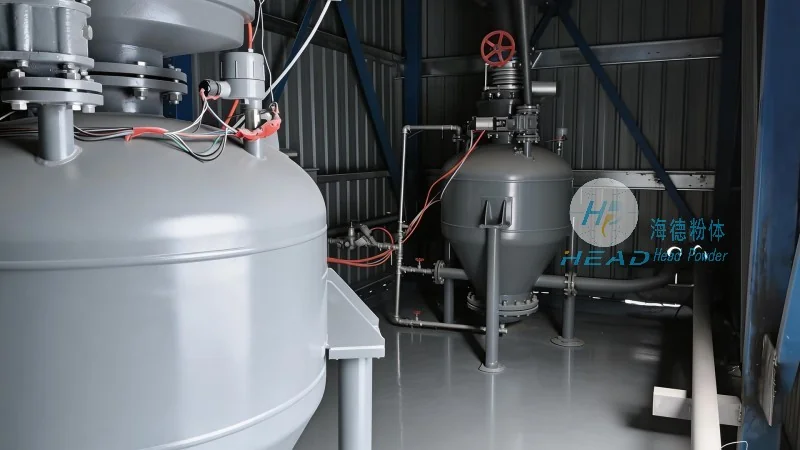
A barium sulfate material pneumatic conveying system operates on the principle of using compressed air to transport bulk materials through a pipeline. The system typically consists of several key components, including a material feeder, a conveying line, a dust collector, and a discharge unit. The process begins with the material being fed into the system, where it is then accelerated by the high-pressure air stream. As the material travels through the pipeline, it is suspended and transported to the desired destination. The compressed air, often supplied by a blower or compressor, creates the necessary pressure differential to move the material. The system is designed to handle the specific properties of barium sulfate, such as its density and particle size, ensuring optimal performance and minimal material degradation.
Key Features of a Barium Sulfate Pneumatic Conveying Line
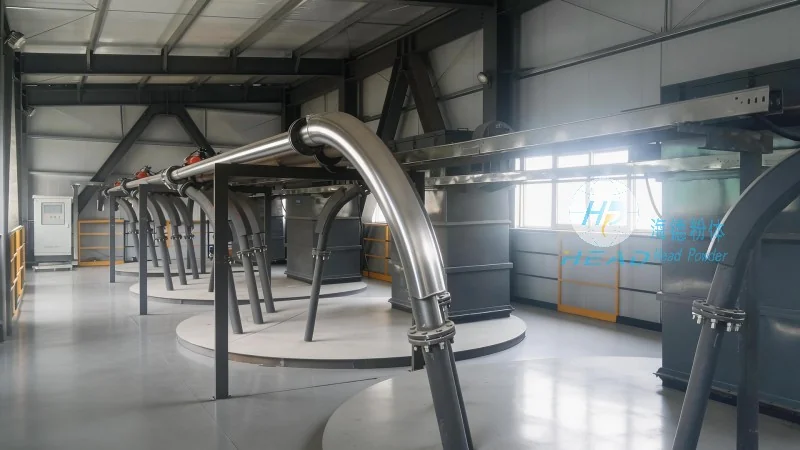
HeadPowder's barium sulfate pneumatic conveying lines are engineered with several distinctive features that enhance their functionality and adaptability. One of the primary features is the use of flexible and durable materials for the conveying line, which can withstand the abrasive nature of barium sulfate particles. The system incorporates advanced control mechanisms that allow for precise regulation of air pressure and flow rate, ensuring consistent material transport. Additionally, the design includes features to minimize dust generation and maintain a clean working environment, which is crucial for handling a material like barium sulfate. The system is also equipped with safety measures, such as pressure relief valves and emergency shut-off mechanisms, to prevent accidents and ensure operational safety. Furthermore, the modular design of the system allows for easy integration with existing industrial processes and facilitates maintenance and repairs.

Benefits of Implementing a Barium Sulfate Pneumatic Conveying System
Adopting a barium sulfate pneumatic conveying system offers numerous benefits for industrial operations. The primary advantage is the significant reduction in labor costs associated with manual material handling, as the system automates the entire transport process. Additionally, the system enhances operational efficiency by ensuring a continuous and consistent flow of material, minimizing downtime and improving overall productivity. The enclosed design of the system also helps in maintaining product quality by preventing contamination and exposure to external elements. Furthermore, the system reduces the risk of workplace injuries by eliminating the need for manual lifting and handling of heavy or bulky materials. The energy efficiency of the system, particularly through the use of high-efficiency blowers, contributes to lower operational costs and a smaller environmental footprint.
Customization and Application Considerations
HeadPowder understands that each industrial application has unique requirements, and therefore, offers customized solutions for barium sulfate pneumatic conveying systems. The company works closely with clients to assess their specific needs, such as the volume of material to be transported, the distance of the conveying line, and the desired discharge location. Based on these assessments, the system is tailored to meet the exact specifications, ensuring optimal performance. The customization process also includes the selection of appropriate materials for the conveying line and components, considering factors like the chemical resistance of barium sulfate and the operating conditions. Additionally, the system is designed to comply with relevant safety and environmental regulations, ensuring that it meets the standards set by regulatory bodies. The company's expertise in material handling allows for the development of systems that are not only efficient but also sustainable and cost-effective.
Conclusion
In conclusion, a barium sulfate material pneumatic conveying system, as provided by HeadPowder, is an effective solution for the efficient and reliable transport of this specific material. The system operates on a well-defined principle of using compressed air to move material through a pipeline, and its key features, such as durability, precision control, and safety measures, ensure optimal performance. The benefits of implementing such a system, including reduced labor costs, enhanced efficiency, and improved product quality, make it a valuable investment for industrial operations. With its commitment to customization and adherence to safety standards, HeadPowder offers a reliable partner for the design and implementation of pneumatic conveying systems tailored to the specific needs of clients.