

[W]Working Principle and Features of Polycarbonate Material Pneumatic Conveying Systems
Polycarbonate is a widely used engineering plastic known for its excellent transparency, impact resistance, and thermal stability. In industrial applications, efficient material handling is crucial for maintaining production efficiency and product quality. Pneumatic conveying systems offer a reliable solution for transporting polycarbonate materials, especially in processes where dust control and material integrity are paramount. This article explores the working principle and key features of polycarbonate material pneumatic conveying lines, providing insights into how such systems operate and their advantages in industrial settings, as presented by Shandong HeadPowder Engineering Co., Ltd., a leading provider of material handling solutions based in China.
Introduction to Polycarbonate Material Pneumatic Conveying
Polycarbonate (PC) is a thermoplastic polymer that finds applications in various industries, including automotive, electronics, and packaging. When handling PC materials, traditional mechanical conveyors may not be suitable due to the material's lightweight and abrasive nature, as well as the need to minimize dust generation. Pneumatic conveying systems, which use air or gas to transport materials, provide an effective alternative. These systems are particularly beneficial for transporting fine powders or granules of polycarbonate, ensuring that the material remains intact and free from contamination during the process.
Working Principle of Polycarbonate Material Pneumatic Conveying Lines
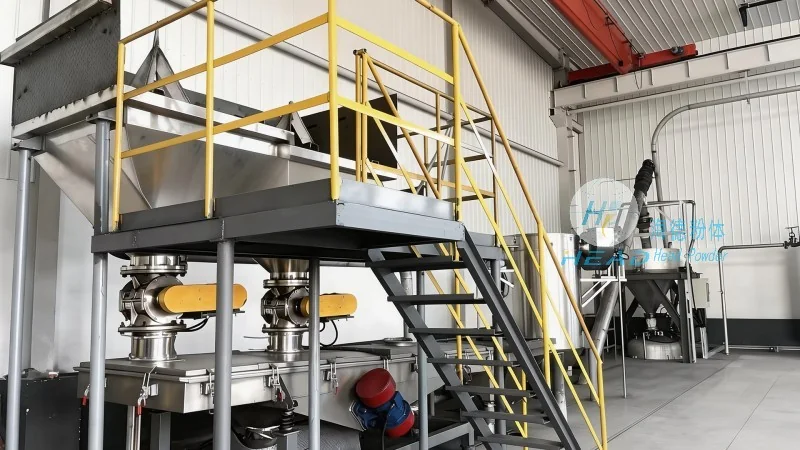
The core of a polycarbonate material pneumatic conveying line is the transfer of material using compressed air. The system typically consists of several key components, including a hopper for material storage, a feeder to control the flow rate, a conveying line (usually a pipe), and a receiver for the material at the destination. The working principle involves the following steps:
1. Material Loading: Polycarbonate material is loaded into the hopper. The hopper is designed to accommodate the bulk material and ensure a consistent feed to the feeder.
2. Feeding and Air Injection: The feeder, often a rotary valve or a screw feeder, regulates the amount of material released into the conveying line. Simultaneously, compressed air is introduced into the line, creating a low-pressure or high-pressure environment depending on the system design. The air flow helps to lift and transport the polycarbonate particles through the pipe.
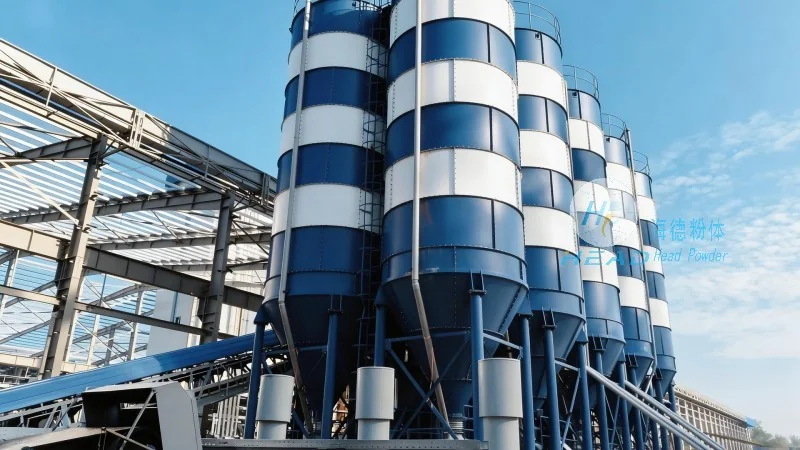
3. Conveying Process: As the air and material mixture moves through the pipe, the polycarbonate particles are carried along by the air stream. The velocity of the air is critical; it must be sufficient to overcome the gravitational force and frictional resistance of the particles, ensuring smooth and continuous transport.
4. Material Deposition: At the receiving end, the material is deposited into the target container or processing equipment. The air is then filtered and recycled back to the system, maintaining an efficient and closed-loop operation.
Key Features and Advantages of Polycarbonate Material Pneumatic Conveying Systems
Polycarbonate material pneumatic conveying systems offer several distinct features that make them ideal for industrial applications:
1. Efficient Material Transport: These systems can handle a wide range of polycarbonate particle sizes, from fine powders to larger granules, with minimal loss or degradation. The air flow ensures that the material is transported uniformly, reducing the risk of blockages or uneven distribution.
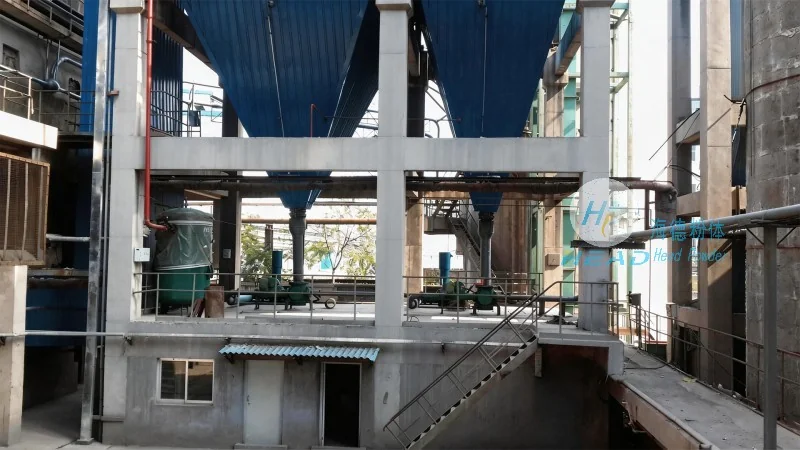
2. Dust Control and Environmental Benefits: Unlike mechanical conveyors, pneumatic systems are enclosed, which effectively contains dust and prevents environmental contamination. This is particularly important for polycarbonate, as fine particles can be hazardous if released into the air.
3. Space Efficiency: Pneumatic conveying lines can be installed in compact spaces, making them suitable for facilities with limited floor area. The flexibility of the system allows for routing through walls or ceilings, optimizing the use of available space.
4. Low Maintenance Requirements: Compared to mechanical conveyors, which may require regular lubrication and part replacement, pneumatic systems have fewer moving parts and lower maintenance costs. This reduces downtime and operational expenses for the user.
5. Versatility in Application: Polycarbonate material pneumatic conveying systems can be adapted to various production processes, including blending, mixing, and packaging. They can be integrated with other equipment, such as mixers or extruders, to form a complete production line.
Applications in Industrial Settings
Polycarbonate material pneumatic conveying systems are widely used in industries where the handling of polycarbonate materials is critical. Some common applications include:
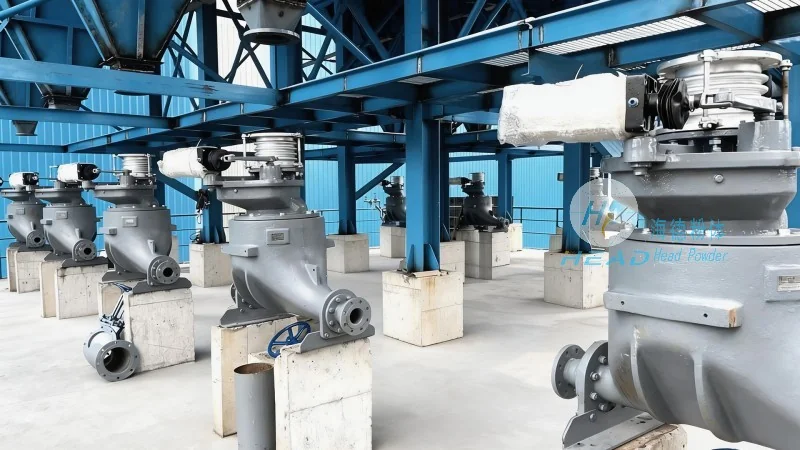
1. Automotive Industry: In the production of automotive components, such as headlight lenses or interior parts, efficient transport of polycarbonate granules is essential. Pneumatic systems ensure that the material is delivered to the molding or processing equipment without contamination.
2. Electronics Manufacturing: For electronic devices that incorporate polycarbonate components, such as casings or connectors, the need for clean and dust-free handling is paramount. Pneumatic conveying helps maintain the purity of the material, preventing defects in the final product.
3. Packaging Industry: In the manufacturing of polycarbonate bottles or containers, the system can transport the raw material from storage to the extrusion or molding machines. This ensures a consistent supply of material for high-volume production.
Conclusion
Polycarbonate material pneumatic conveying lines represent an advanced solution for the efficient and reliable handling of polycarbonate materials in industrial settings. By leveraging the principles of air-based transport, these systems offer significant advantages in terms of efficiency, environmental control, and operational flexibility. As industries continue to demand higher performance and quality in their production processes, the adoption of such systems becomes increasingly important. For companies operating in sectors that rely on polycarbonate materials, investing in a well-designed pneumatic conveying system can lead to improved productivity, reduced costs, and enhanced product quality.