

Principle and Working Scene Characteristics of Calcined Gypsum Pneumatic Conveying Lines
Shandong HeadPowder Engineering Co., Ltd., commonly known as HeadPowder, is a professional manufacturer and supplier of pneumatic conveying systems. With its headquarters located in Shandong, China, the company specializes in the design, production, and installation of advanced equipment for material handling, particularly in the field of calcined gypsum processing. HeadPowder has built a strong reputation for delivering high-quality, efficient, and reliable solutions tailored to the specific needs of various industrial applications.
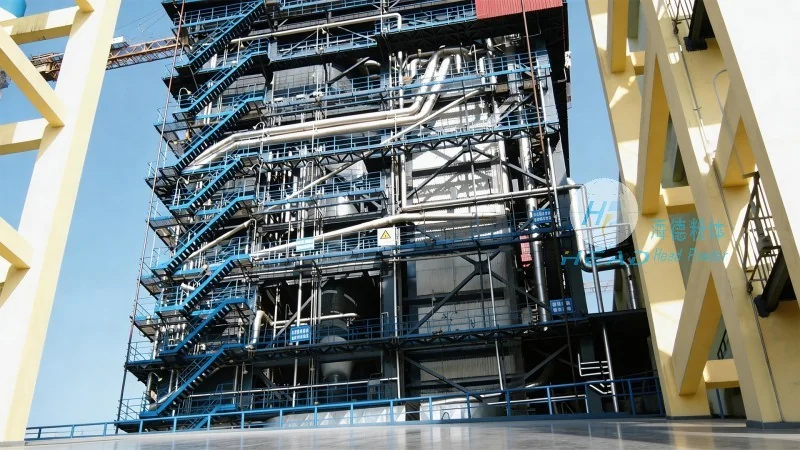
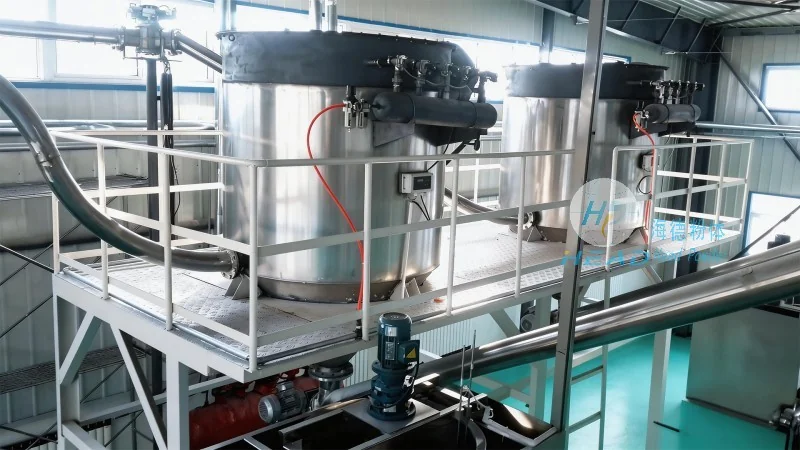
Principle of Calcined Gypsum Pneumatic Conveying Lines
The calcined gypsum pneumatic conveying line operates based on the principle of air-driven material transport. This system utilizes a high-pressure air stream to move calcined gypsum particles from the source to the destination. The process involves several key components, including a material feeder, a pressure vessel, a pipeline network, and a control system. The material feeder ensures a consistent flow of gypsum into the system, while the pressure vessel maintains the necessary air pressure. The pipeline network, often made of stainless steel or other corrosion-resistant materials, transports the gypsum particles through the system. The control system monitors and regulates the air pressure, flow rate, and other parameters to ensure smooth and efficient operation. This air-driven method eliminates the need for mechanical components like belts or buckets, reducing maintenance requirements and increasing operational reliability. The system can handle a wide range of particle sizes and moisture content, making it suitable for various calcined gypsum grades. The air pressure is typically maintained between 0.5 to 1.5 MPa, depending on the distance and layout of the conveying line. The velocity of the air stream is carefully controlled to prevent particle segregation and ensure uniform transport.
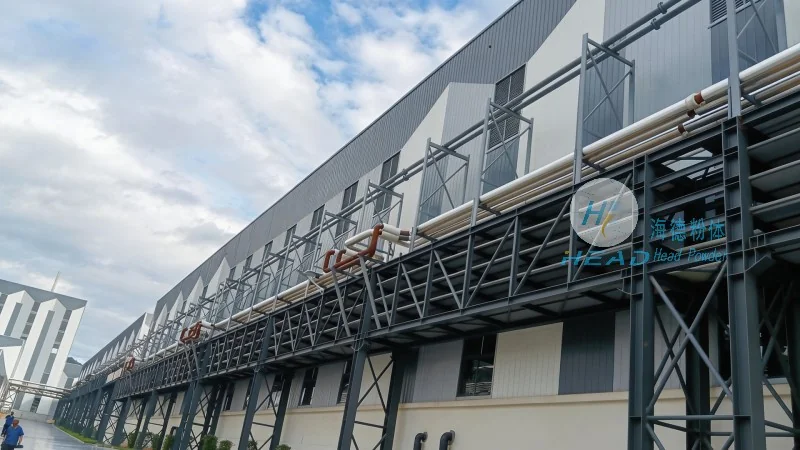
Working Scene Characteristics of Calcined Gypsum Pneumatic Conveying Lines
The calcined gypsum pneumatic conveying line is designed to handle the unique characteristics of calcined gypsum, which is a fine, dry powder with specific handling requirements. The system is particularly suitable for applications where the material needs to be transported over long distances or through complex layouts. One of the key advantages is its ability to maintain the purity of the gypsum, as the enclosed system prevents contamination from external sources. The pneumatic conveying line also offers flexibility in terms of layout, allowing for vertical and horizontal transport combinations. This makes it ideal for industrial settings where space is limited or where the material needs to be moved to different processing stages. Additionally, the system is capable of handling varying flow rates, from low to high, making it adaptable to different production demands. The working scene characteristics also include the system's ability to integrate with other processing equipment, such as storage silos, mixers, and packaging machines, creating a seamless material handling process. The enclosed design also helps in controlling dust emissions, which is crucial for maintaining a clean and safe working environment.
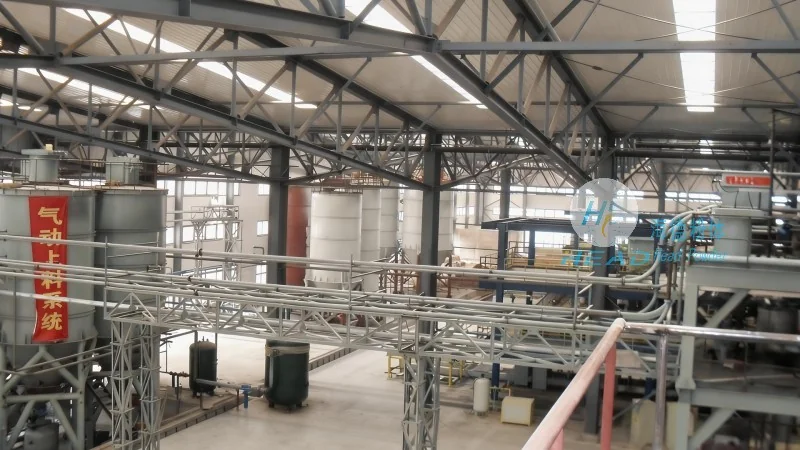
Advantages in Application
When applied in industrial settings, the calcined gypsum pneumatic conveying line offers several advantages over traditional material handling methods. First, it significantly reduces labor costs by automating the material transport process. The system eliminates the need for manual handling, which is not only labor-intensive but also poses health and safety risks. Second, the enclosed system improves workplace safety by containing dust and preventing the release of airborne particles. This is particularly important in industries where gypsum dust can be a health hazard, such as respiratory issues or skin irritation. Third, the system enhances production efficiency by ensuring a continuous and consistent flow of material. This reduces downtime and increases overall productivity, allowing manufacturers to meet higher production targets. Fourth, the pneumatic conveying line is highly adaptable to different production scales, from small-scale operations to large industrial plants. This flexibility allows companies to scale their operations without significant changes to the material handling system, making it a cost-effective solution for growing businesses. Finally, the system's low maintenance requirements contribute to long-term cost savings, as there are fewer mechanical parts that need regular servicing. The air-driven design reduces wear and tear on components, extending the lifespan of the equipment and minimizing repair costs.