

Principles and Application Scenarios of Sintering Dust Powder Material Handling
HeadPowder, a professional provider of material handling solutions, specializes in the efficient and reliable transport of sintering dust powders. This article delves into the fundamental principles of sintering dust powder conveying systems and highlights the key characteristics of their operational environments.
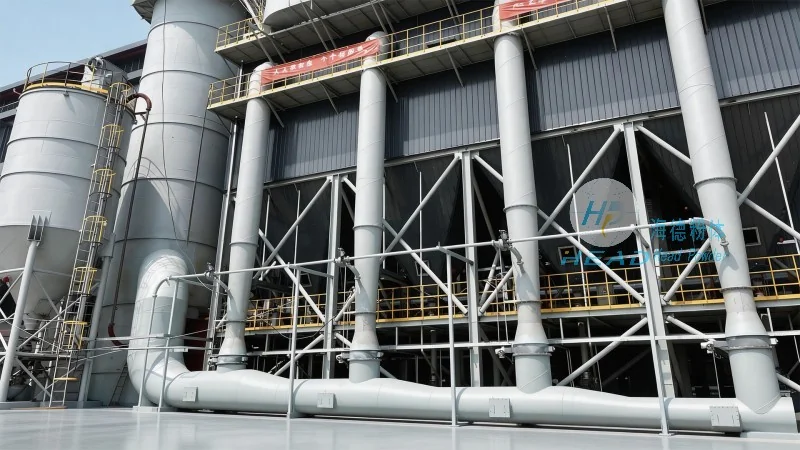
About HeadPowder: Shandong HeadPowder Engineering Co., Ltd.
HeadPowder, or Shandong HeadPowder Engineering Co., Ltd., is headquartered in Shandong, China. As a leading manufacturer in the field of powder handling technology, the company focuses on developing advanced solutions for the transportation and processing of various powders, including sintering dust. With a strong commitment to innovation and quality, HeadPowder has established itself as a trusted partner for industries requiring precise and efficient powder material handling systems.
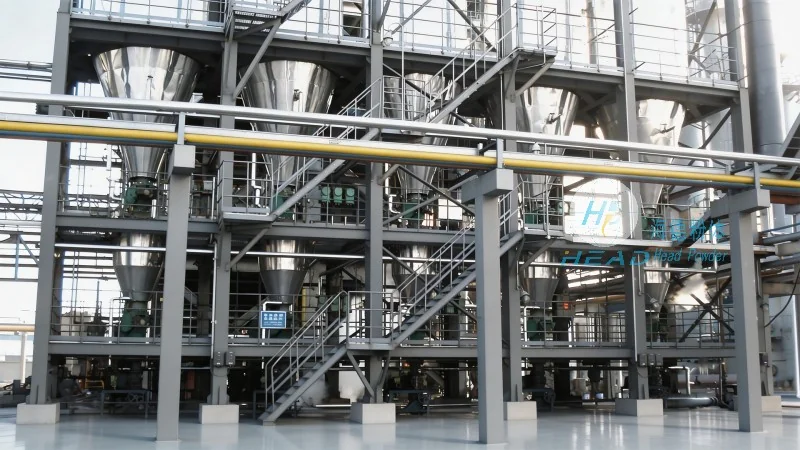
Principles of Sintering Dust Powder Conveying
The core principle of sintering dust powder conveying involves the use of specialized equipment designed to handle fine, dry powders with high efficiency. These systems typically employ mechanisms such as pneumatic conveying, mechanical screw conveyors, or vacuum transport to move sintering dust from one location to another. Pneumatic conveying, for instance, utilizes air pressure to transport the powder through pipelines, ensuring minimal product degradation and contamination. Mechanical conveyors, on the other hand, rely on rotating screws or belts to move the material, offering robust performance in high-volume applications. The choice of conveying method depends on factors like the dust's properties, the required distance, and the system's operational constraints.
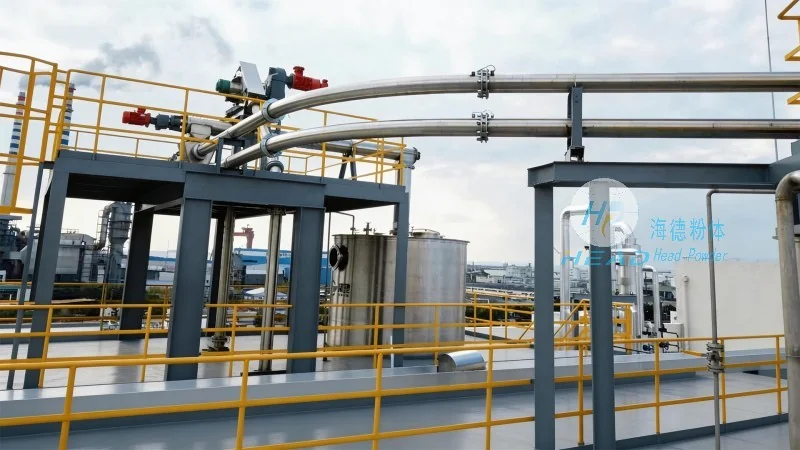
Key Working Scene Characteristics
The operational environments for sintering dust powder conveying systems exhibit several distinct characteristics that influence system design and performance. Firstly, the dust is often fine and can be prone to caking or agglomeration, which requires careful consideration of material flow and equipment maintenance. Secondly, the systems must be designed to handle varying particle sizes and moisture content, as these factors can impact the conveying efficiency and equipment wear. Thirdly, the operational settings, such as temperature and humidity, play a crucial role in preventing material degradation and ensuring the longevity of the conveying equipment. Additionally, the systems are typically integrated into larger production lines, necessitating seamless coordination with other processing equipment to maintain overall production efficiency.
Application Scenarios and Industry Relevance
Sintering dust powder conveying solutions are widely applied across various industrial sectors, including metallurgy, ceramics, and chemical manufacturing. In metallurgy, for example, sintering dust is often collected from sintering furnaces and transported to storage or reprocessing facilities. The efficiency of the conveying system directly impacts the overall productivity and cost-effectiveness of the sintering process. In the ceramics industry, sintering dust is used as a raw material for producing high-quality ceramic products, and reliable conveying ensures consistent material quality. The chemical industry also benefits from these systems when handling powders that require precise control over moisture and particle size. By addressing the unique challenges of each application, HeadPowder's solutions help industries maintain high standards of production and operational reliability.
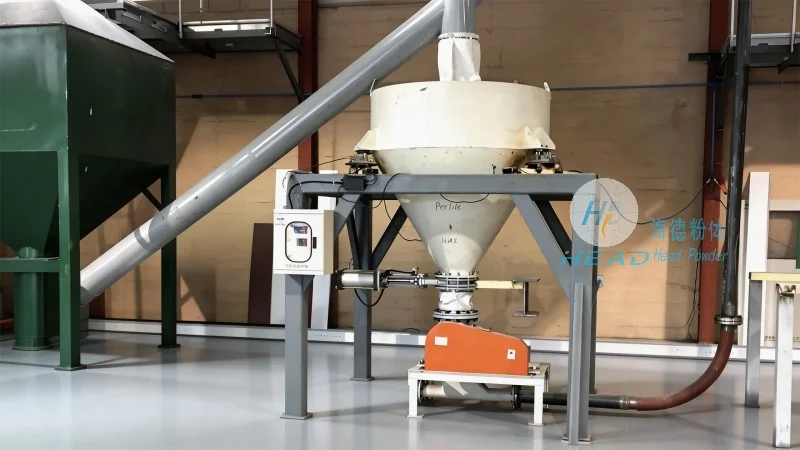
Conclusion: The Importance of Specialized Conveying Solutions
In conclusion, the principles and operational characteristics of sintering dust powder conveying are critical to the success of various industrial processes. The advanced technology and expertise offered by companies like Shandong HeadPowder Engineering Co., Ltd. play a vital role in ensuring that these systems operate efficiently and reliably. By understanding the core principles and adapting to the specific requirements of each working scene, industries can achieve optimal performance in their powder handling operations, ultimately enhancing productivity and reducing operational costs.