

Principle and Working Scene Characteristics of Carbon Powder Conveying Systems
HeadPowder, a leading provider in the field of carbon powder handling technology, specializes in the design and implementation of efficient carbon powder conveying systems. The company, with its headquarters in Shandong, China, has established itself as a trusted partner for industries requiring reliable and high-performance carbon powder transport solutions. With years of experience in the field, HeadPowder leverages advanced engineering principles and cutting-edge technology to develop systems that meet the diverse needs of modern industrial applications. The focus is on creating solutions that not only enhance operational efficiency but also ensure the integrity of the carbon powder, which is crucial for downstream processes.
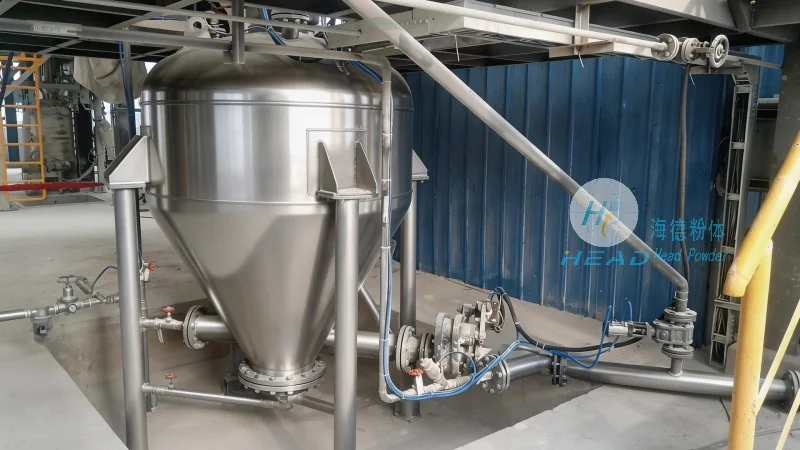
The Core Principle of Carbon Powder Conveying Systems
The core principle of carbon powder conveying systems revolves around the seamless integration of mechanical and control components to achieve efficient material transport. The system typically begins with a feeder, which accurately meters the carbon powder and feeds it into the conveying line. This is followed by a conveyor, which can be of various types such as pneumatic, mechanical, or hybrid, depending on the specific requirements of the application. The choice of conveyor type is critical as it directly impacts the system's performance, energy consumption, and suitability for different carbon powder characteristics. HeadPowder's systems often incorporate pneumatic conveying technology, which is particularly effective for fine carbon powders due to its ability to handle high volumes and maintain particle integrity. The control unit plays a vital role in regulating the flow rate, pressure, and other parameters to ensure smooth operation and prevent issues like blockages or material degradation. Advanced sensors and feedback mechanisms are integrated into the control system to provide real-time monitoring and automatic adjustments, enhancing the overall reliability of the conveying process.
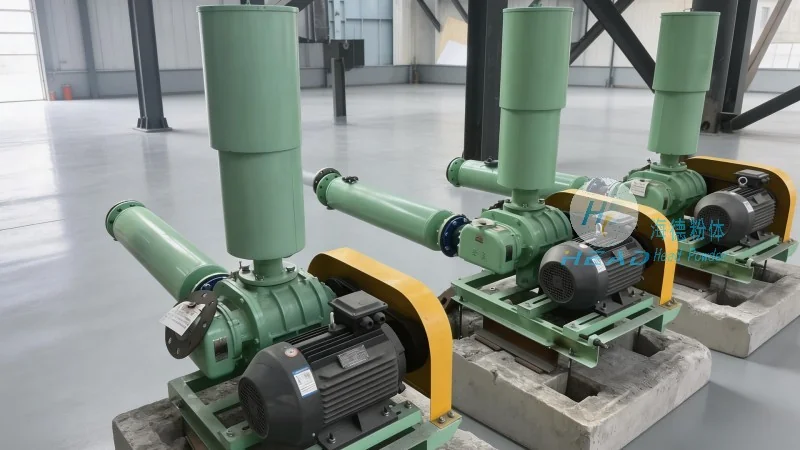
Key Working Scene Characteristics
The working scene characteristics of carbon powder conveying systems are designed to accommodate a wide range of industrial environments and operational conditions. These systems are engineered to operate in both controlled indoor settings, such as manufacturing plants, and outdoor or semi-outdoor locations, such as mining sites or construction areas. The design emphasizes dust control and environmental protection, with features like enclosed conveying lines and efficient filtration systems to minimize the release of fine particles into the air. The flexibility of the system allows it to adapt to different production scales, from small-scale laboratory applications to large-scale industrial manufacturing, by adjusting the capacity and components of the system. Additionally, the systems are equipped with safety features that comply with international industry standards, including emergency stop mechanisms, overload protection, and fire prevention measures. The integration of automation and remote monitoring further enhances operational efficiency, allowing operators to manage the system from a central control room and receive alerts for any anomalies or maintenance needs. This level of control ensures that the conveying process remains consistent and reliable, even under varying operational conditions.
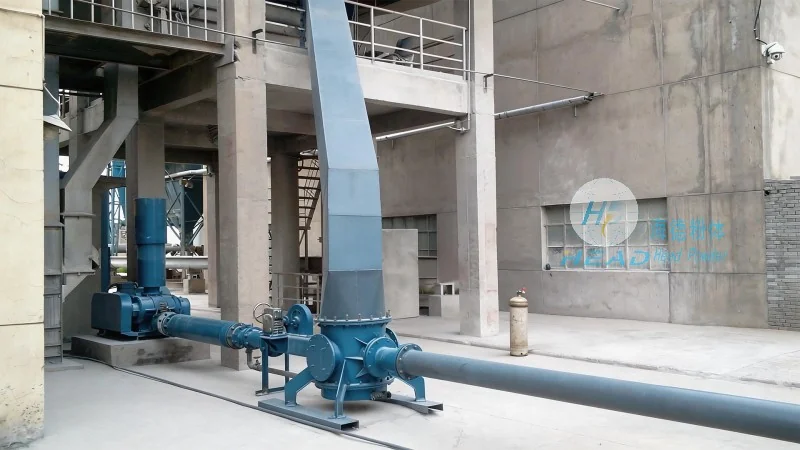
Application Scenarios and Performance Benefits
Carbon powder conveying systems are widely utilized in several key industrial sectors, including battery manufacturing, carbon fiber production, and graphite processing. In battery manufacturing, for example, the system efficiently transports carbon powders, such as graphite and carbon black, to the production line, where they are used as key components in lithium-ion batteries. The consistent quality and uniform distribution of the carbon powder, ensured by the conveying system, directly impact the performance and lifespan of the final battery product. In carbon fiber production, the system handles fine carbon powders used in the precursor materials, contributing to the production of high-strength carbon fibers. The performance benefits of these systems extend beyond operational efficiency, as they also contribute to cost savings and environmental sustainability. By minimizing material loss and optimizing energy consumption, the systems reduce operational costs and lower the environmental footprint of the industrial process. HeadPowder's carbon powder conveying systems are known for their durability and low maintenance requirements, making them a long-term investment for industrial facilities. The systems are also designed to be scalable, allowing businesses to expand their operations without the need for significant system overhauls. This adaptability ensures that the system remains effective as production needs evolve over time.