

Principle and Working Scene Characteristics of Denitration Fly Ash Powder Conveying System
HeadPowder, a leading provider in the field of industrial powder handling solutions, specializes in the design and implementation of advanced conveying systems for denitration fly ash. This article delves into the core principles underlying such systems and highlights the distinctive characteristics of their application across various industrial scenarios.
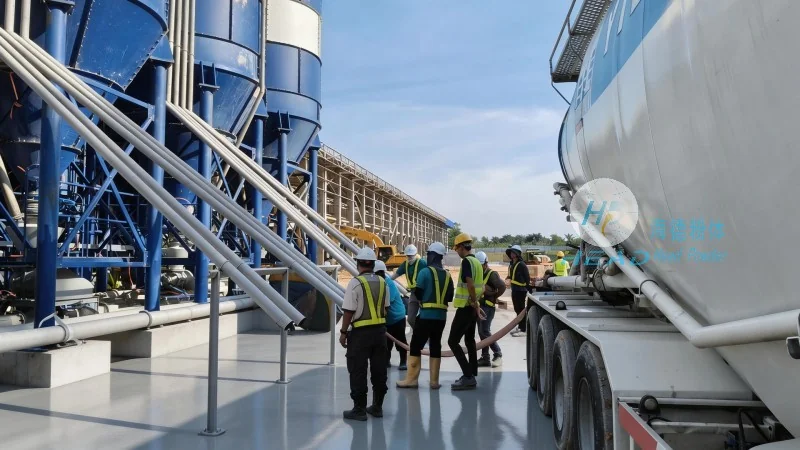
Company Overview and Expertise
Shandong HeadPowder Engineering Co., Ltd., commonly known as HeadPowder, is a reputable enterprise based in Shandong, China. With a strong commitment to technological innovation and customer-centric solutions, the company has established itself as a key player in the development of efficient and reliable powder conveying technologies. HeadPowder's expertise lies in addressing the unique challenges associated with handling denitration fly ash, a byproduct of flue gas desulfurization and nitrogen oxide reduction processes in power plants and industrial facilities.
The Core Principle of Denitration Fly Ash Powder Conveying Systems
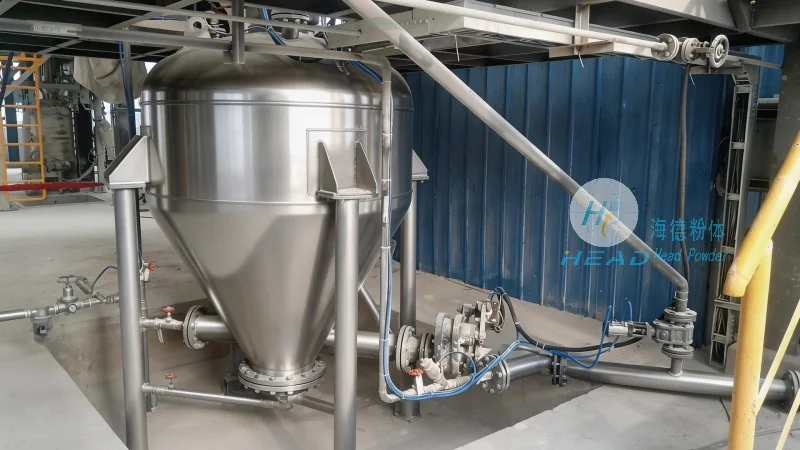
The denitration fly ash powder conveying system operates on the principle of utilizing mechanical or pneumatic methods to transport fine particulate matter, specifically the ash residue generated after denitration processes. These systems are engineered to handle the specific physical and chemical properties of fly ash, which include high moisture content, abrasive nature, and potential reactivity. The primary goal is to ensure safe, efficient, and environmentally compliant transportation of the ash from its source (e.g., boiler ash hoppers) to disposal or utilization sites.
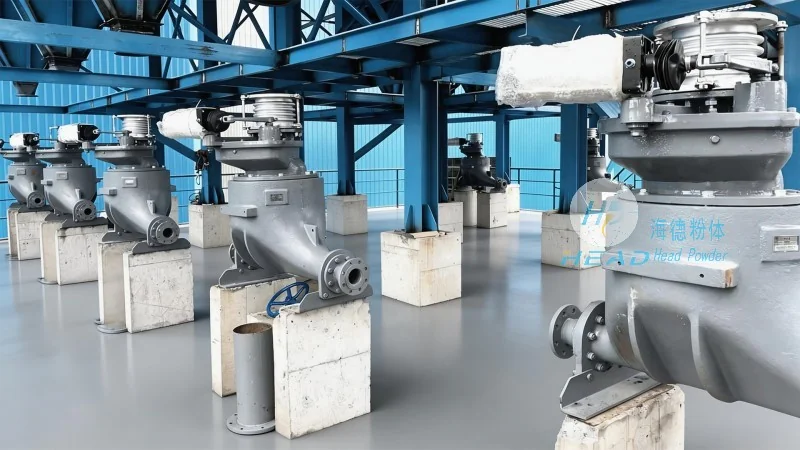
Key components of such systems typically include feeders, conveyors (e.g., screw conveyors, pneumatic pipelines), and control systems. The feeders are designed to regulate the flow of ash from storage silos or hoppers, while the conveyors transport the material through pipelines or open channels. Pneumatic conveying systems, in particular, are favored for their ability to handle fine powders with minimal dust generation and reduced maintenance requirements compared to mechanical systems. The control systems integrate sensors and automation to monitor flow rates, pressure, and other critical parameters, ensuring optimal performance and preventing system failures.
Working Scene Characteristics and Application Scenarios
The application of denitration fly ash powder conveying systems varies significantly across different industrial environments, each presenting unique operational demands and requirements. Understanding these characteristics is essential for selecting the most suitable system for a given project.
Power Plant Applications
In thermal power plants, where flue gas denitration is a standard practice, the conveying system is critical for managing the large volumes of fly ash produced. The system must be capable of handling high throughput rates, often exceeding several tons per hour, while maintaining low dust emissions to comply with environmental regulations. The working scene in power plants typically involves continuous operation, with the system integrated into the plant's overall material handling infrastructure. The characteristics here include robust construction to withstand the abrasive nature of ash, and integration with existing plant control systems for seamless operation.
Industrial and Chemical Facility Applications
Outside of power generation, denitration fly ash may also be generated in industrial and chemical processes involving combustion or high-temperature reactions. In these settings, the conveying system may need to handle ash with varying compositions, potentially containing heavy metals or other contaminants. The working scene in such facilities often involves batch processing or intermittent operation, with the system designed to accommodate fluctuations in ash flow rates. The characteristics include flexibility in system configuration, such as modular components that can be adjusted for different ash types, and enhanced safety features to prevent material leakage or environmental contamination.
Environmental and Disposal Site Applications
Once transported to disposal or utilization sites, the conveying system plays a crucial role in ensuring the ash is handled in a manner that minimizes environmental impact. The working scene may involve transporting ash to landfills, cement kilns for co-processing, or other recycling facilities. The system must adhere to strict environmental standards, such as low emission levels and efficient containment. The characteristics here include advanced filtration and dust collection systems integrated into the conveying pipeline to prevent air pollution, and compliance with local regulations regarding waste management and disposal.
Advantages and Key Features
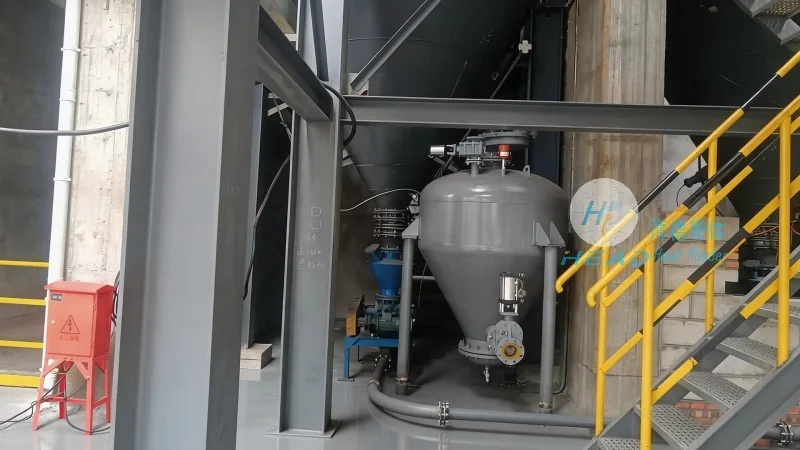
Denitration fly ash powder conveying systems offer several advantages that make them indispensable in modern industrial operations. These include improved safety by reducing manual handling of hazardous materials, enhanced efficiency through automated control and monitoring, and compliance with environmental regulations through minimized dust emissions. The systems are also designed for durability, with components constructed from corrosion-resistant materials to withstand the abrasive and potentially corrosive nature of fly ash. Additionally, the modular design allows for easy integration with existing plant infrastructure and scalability to accommodate future expansion or increased production demands.
Conclusion
Denitration fly ash powder conveying systems represent a sophisticated solution to the challenges of handling a critical industrial byproduct. By understanding the core principles and application characteristics of these systems, industries can select and implement the most effective and efficient solutions for their specific needs. HeadPowder, with its expertise and commitment to innovation, continues to provide reliable and advanced conveying systems that meet the evolving demands of the industry.