

Principle and Working Scene Characteristics of Fine Light Sand Powder Conveying System
HeadPowder, a leading engineering company based in Shandong, China, specializes in the design and implementation of advanced powder handling solutions. This article delves into the fundamental principles of fine light sand powder conveying systems and explores the diverse operational scenarios where such systems are applied in industrial settings. By understanding the core mechanics and practical applications, users can better appreciate the efficiency and reliability of these systems in modern material processing.
Principle of Fine Light Sand Powder Conveying Systems
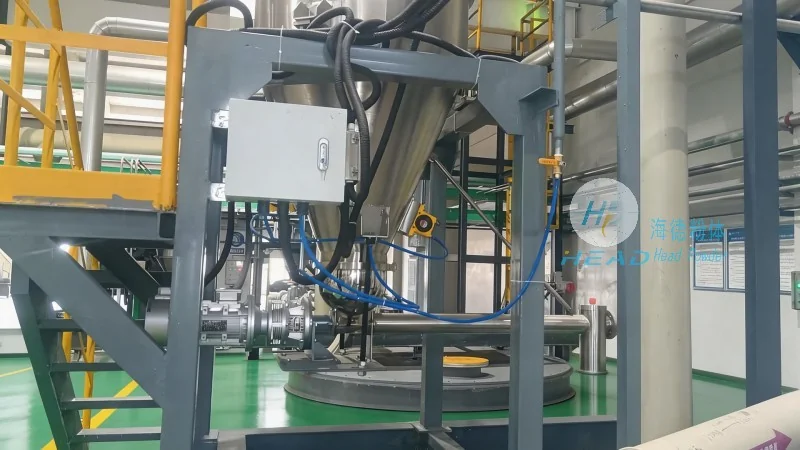
The core principle of fine light sand powder conveying systems revolves around the efficient transport of fine, lightweight particles from one location to another. These systems typically employ a combination of mechanical and pneumatic technologies to ensure smooth and controlled movement of the material. For instance, in many industrial applications, a positive pressure or negative pressure air system is used to create a flow of air that carries the fine sand particles through a pipeline. The system may include components such as a hopper for material storage, a feeder to regulate the flow rate, a conveyor pipe, and a receiver to collect the material at the destination. The design of the system is tailored to the specific properties of the fine light sand, including its particle size, density, and moisture content, to optimize performance and minimize material loss or degradation.
Key Components and Their Functions
Several critical components work in tandem to ensure the effective operation of a fine light sand powder conveying system. The hopper serves as the primary storage vessel, holding the fine sand in a contained environment. It is often equipped with a discharge valve or feeder to control the rate at which material is released into the system. The feeder, which may be a rotary valve, screw feeder, or vibratory feeder, regulates the flow of material into the conveyor pipe, preventing overloading and ensuring a consistent feed rate. The conveyor pipe, typically made of materials like stainless steel or plastic, is designed to withstand the abrasive nature of fine sand particles and the pressure of the air or mechanical force used for transport. The receiver, located at the end of the pipeline, collects the material and may include a dust collection system to maintain air quality and prevent environmental contamination. Additionally, control systems such as pressure sensors, flow meters, and programmable logic controllers (PLCs) are integrated to monitor and adjust the operation of the system in real-time, ensuring optimal performance and safety.
Working Scene Characteristics and Applications
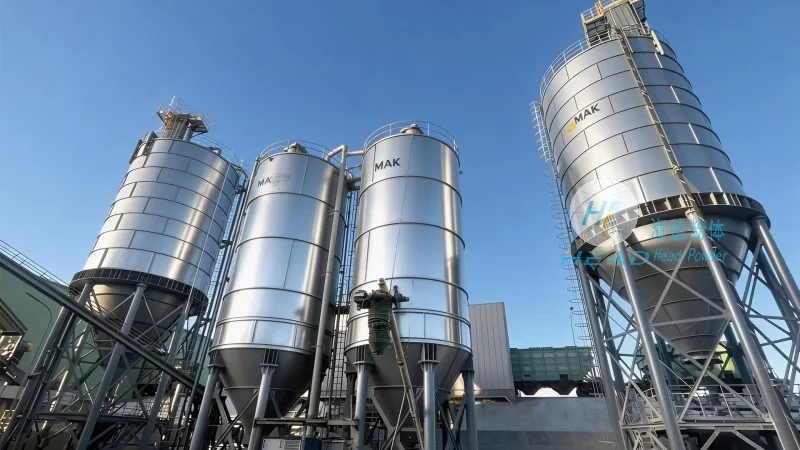
Fine light sand powder conveying systems are widely used in various industrial sectors due to their ability to handle fine, lightweight materials efficiently. In the foundry industry, for example, these systems are crucial for transporting sand used in the casting process. The fine light sand is often mixed with binders and other additives to create molds, and the conveying system ensures that the sand is delivered to the molding equipment in a controlled manner, reducing downtime and improving product quality. In the chemical industry, similar systems are used to transport fine powders such as pigments, catalysts, or other chemical additives, where consistent material flow is essential for maintaining product consistency and process efficiency. Other applications include the food processing industry, where fine powders like flour or sugar are handled, and the pharmaceutical industry, where precise control over powder flow is critical for product safety and quality. Each of these scenarios requires a tailored system design that considers factors such as material compatibility, environmental regulations, and operational requirements to ensure successful implementation.
Advantages and Benefits of Fine Light Sand Powder Conveying Systems
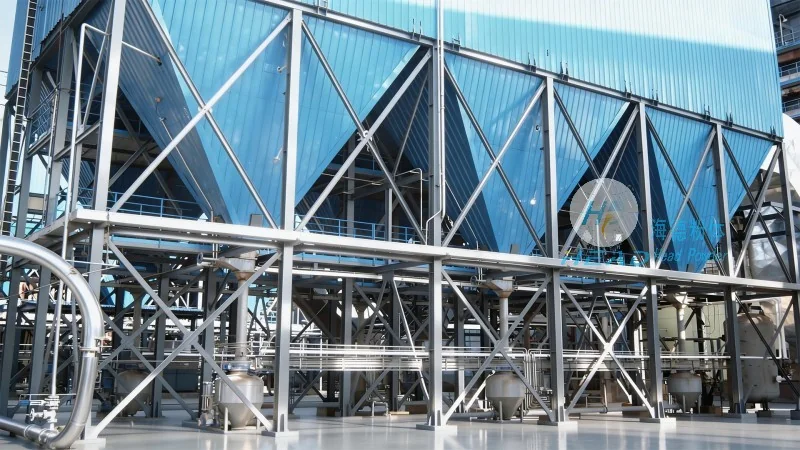
Implementing a fine light sand powder conveying system offers numerous advantages over traditional manual or mechanical handling methods. One of the primary benefits is the significant reduction in labor costs and operational time, as the system automates the material transport process. This automation also minimizes the risk of human error, ensuring consistent and reliable material delivery. Additionally, the systems are designed to minimize material loss and degradation, which is particularly important for fine light sand that can be easily damaged or contaminated. The use of enclosed pipelines and dust collection systems also improves workplace safety by reducing exposure to airborne particles and preventing environmental pollution. Furthermore, the flexibility of these systems allows for easy integration with existing production lines and the ability to scale up or down based on changing production demands. Overall, the adoption of fine light sand powder conveying systems enhances operational efficiency, improves product quality, and contributes to a safer and more sustainable industrial environment.
Conclusion
From the fundamental principles of material transport to the diverse operational scenarios where they are applied, fine light sand powder conveying systems represent a critical technology in modern industrial processing. As a leading provider in this field, Shandong HeadPowder Engineering Co., Ltd. continues to innovate and develop advanced solutions that meet the evolving needs of industries worldwide. By leveraging the expertise and experience of HeadPowder, businesses can enhance their material handling capabilities, improve operational efficiency, and achieve greater success in their respective markets. The principles and characteristics discussed in this article highlight the importance of these systems in ensuring the smooth and reliable flow of fine light sand, supporting the growth and sustainability of industrial operations.