

Principle and Working Scene Characteristics of Powder Transport Equipment for Cement Tank Trucks
HeadPowder, a leading engineering company based in Shandong, China, specializes in the design and manufacturing of advanced powder transport equipment for cement tank trucks. This article explores the fundamental principles behind such equipment and highlights the key working scene characteristics that define its operational effectiveness.
Understanding the Core Principles of Cement Tank Truck Powder Transport Equipment
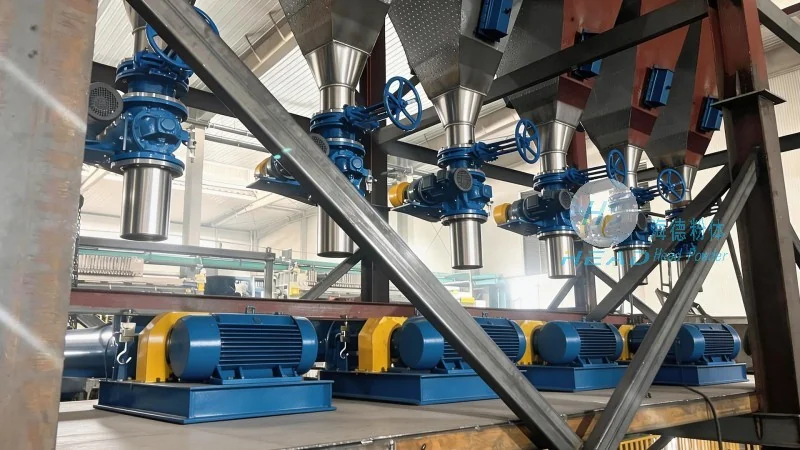
The primary function of powder transport equipment for cement tank trucks is to efficiently and safely transfer bulk cement powder from storage silos to the truck's tank. The system typically comprises several critical components, including a screw conveyor, a hopper, a feeder, and a control system. The screw conveyor, often equipped with a variable speed drive, rotates to move the cement through the system. The hopper serves as a buffer to regulate the flow rate, preventing overloading or underflow. The feeder, usually a rotary valve or a gate valve, controls the discharge of cement from the hopper into the truck tank. The control system integrates sensors and actuators to monitor and adjust the flow rate, ensuring consistent and reliable operation. The entire setup is designed to minimize dust generation, which is crucial for maintaining a safe and clean working environment. By leveraging mechanical force to move the powder, this equipment eliminates the need for compressed air or other external power sources, making it energy-efficient and cost-effective. The design also incorporates features like anti-caking mechanisms and temperature control to ensure the cement remains in optimal condition during transport. The screw conveyor's helical blades are engineered to handle the abrasive nature of cement, preventing wear and tear over time. The hopper is typically made of high-strength steel or stainless steel to withstand the impact and pressure of the cement flow. The feeder is designed with adjustable settings to accommodate different cement types and flow rates, providing flexibility in operation. The control system uses real-time data from sensors to adjust the screw speed and feeder position, ensuring precise control over the material flow. This level of automation enhances operational efficiency and reduces human error in the process.

Key Working Scene Characteristics and Operational Advantages
The working scene characteristics of cement tank truck powder transport equipment are tailored to meet the demands of various construction sites and industrial applications. One of the most significant advantages is its ability to handle high volumes of cement efficiently. The equipment can transport large quantities of powder in a short period, which is essential for meeting the rapid material needs of construction projects. Another key characteristic is its adaptability to different site conditions. Whether operating in an urban construction area or a remote industrial site, the equipment can be configured to suit the specific layout and space constraints. The system is also designed for durability and low maintenance, with robust components that can withstand the harsh conditions of construction environments. This reduces downtime and operational costs for the end-user. Furthermore, the equipment's ability to maintain a consistent flow rate is critical for ensuring the quality of the cement mixture. Inconsistent flow can lead to variations in the cement's consistency, affecting the strength and durability of the final structure. The advanced control systems in modern powder transport equipment help maintain a stable flow, ensuring uniform mixing and high-quality construction outcomes. The safety features, such as dust suppression and explosion-proof designs, are also prominent working scene characteristics. These features protect both the equipment and the personnel from potential hazards, making the operation safer and more compliant with industry standards.
Application Scenarios and Industry Impact
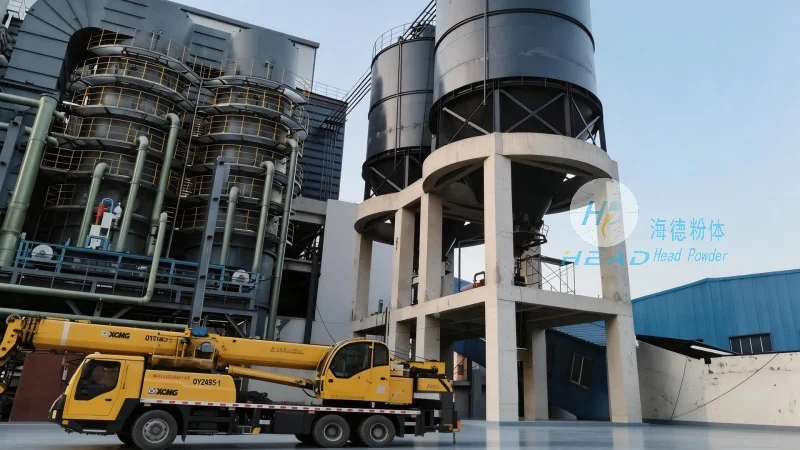
The powder transport equipment for cement tank trucks is widely used in various application scenarios across the construction and industrial sectors. In large-scale construction projects, such as high-rise buildings, bridges, and infrastructure development, the equipment is essential for delivering bulk cement to the job site. The high capacity and efficiency of the system ensure that construction schedules are met without delays. In industrial applications, such as cement production plants and concrete mixing facilities, the equipment is used to transfer cement from storage silos to the production line. The consistent flow and low maintenance requirements make it a preferred choice for industrial operations. The equipment also plays a vital role in emergency response situations, where rapid delivery of cement is required to repair damaged structures or restore services. The adaptability of the system to different scenarios makes it a versatile solution for various operational needs. Additionally, the equipment's ability to handle different types of cement, including Portland cement and blended cements, enhances its applicability across diverse projects. The integration of modern technology, such as automation and remote monitoring, further improves its performance and reliability in real-world applications.