

Principle and Working Scenario Characteristics of Amino Acetic Acid Powder Conveying System Equipmen
For industrial applications involving amino acetic acid, efficient and reliable powder handling is crucial. The powder conveying system equipment designed by Shandong HeadPowder Engineering Co., Ltd. addresses these needs by integrating advanced technology and robust engineering solutions. This equipment is specifically tailored to manage the unique properties of amino acetic acid, ensuring safe and effective material transport in various industrial settings. Amino acetic acid, also known as glycine, is a common amino acid used in pharmaceuticals, food additives, and chemical synthesis. Its handling requires specialized equipment due to its fine particle size and potential for static charge accumulation, which can affect flow characteristics and cause material degradation. The powder conveying system from Shandong HeadPowder Engineering Co., Ltd. is engineered to overcome these challenges, providing a reliable solution for industries that rely on amino acetic acid in their production processes.
Principle of Operation for the Powder Conveying System
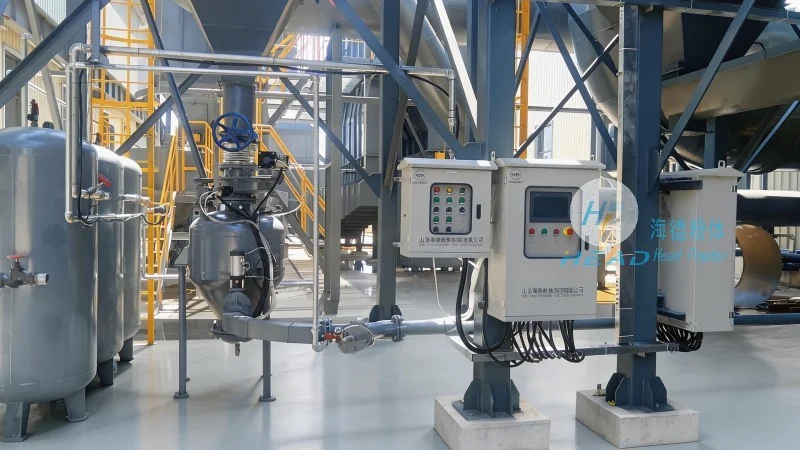
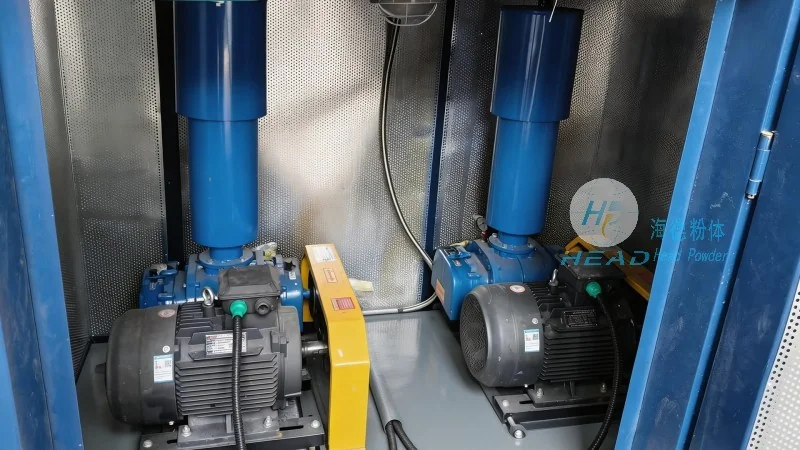
The core principle of the amino acetic acid powder conveying system revolves around the use of positive displacement or pneumatic conveying methods, depending on the specific requirements of the application. Positive displacement systems, such as rotary lobe or screw conveyors, are commonly employed to handle bulk powders like amino acetic acid, providing consistent flow rates and minimizing material degradation. These systems operate by creating a pressure differential that moves the powder through the conveying line, ensuring reliable transport even in challenging conditions. For example, a rotary lobe conveyor uses interlocking lobes on a rotor to push the powder forward, maintaining a steady flow rate that is less affected by variations in material density. Screw conveyors, on the other hand, use a rotating screw to move the powder, which is particularly effective for handling materials with higher moisture content or sticky properties. Pneumatic conveying, on the other hand, utilizes compressed air to transport the powder in a dilute phase, which is particularly effective for fine powders and can handle longer distances with minimal maintenance. In pneumatic systems, the powder is suspended in a stream of air and transported through pipes, allowing for flexible routing and integration with existing plant layouts. The choice between these methods depends on factors like the particle size, moisture content, and the desired conveying distance, all of which are critical considerations for optimizing the system's performance. For amino acetic acid, which typically has a particle size ranging from 10 to 200 microns, a combination of positive displacement and pneumatic conveying may be used to achieve optimal results, balancing efficiency with material integrity.
Working Scenario Characteristics
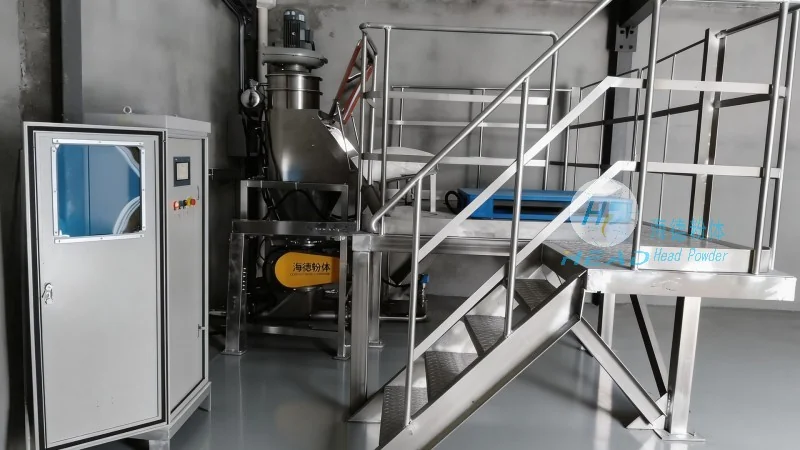
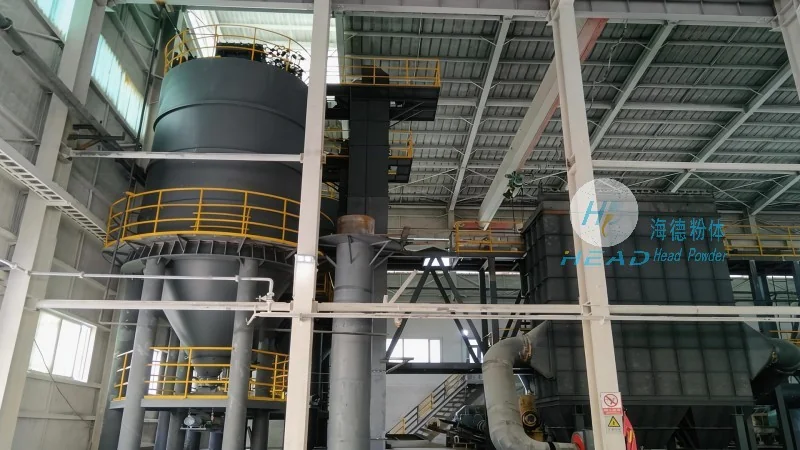
The working scenario characteristics of the amino acetic acid powder conveying system are tailored to meet diverse industrial needs. In manufacturing facilities, the equipment is often integrated into production lines to transport raw amino acetic acid from storage silos to processing units, ensuring a continuous supply of material. The system's design allows for seamless integration with existing infrastructure, reducing downtime and enhancing operational efficiency. For instance, in a pharmaceutical manufacturing plant, the powder conveying system may be used to transfer amino acetic acid from a bulk storage tank to a mixing unit, where it is combined with other ingredients to form a final product. The system's ability to maintain a consistent flow rate and prevent material segregation ensures that the final product meets quality standards. In chemical processing plants, the equipment is used to transfer amino acetic acid between reactors and storage tanks, maintaining the purity and quality of the material. The system's ability to handle varying flow rates and pressures makes it suitable for both batch and continuous production processes. For example, in a chemical synthesis process, the powder conveying system may be used to feed amino acetic acid into a reactor at a controlled rate, ensuring that the reaction proceeds smoothly and without interruptions. Additionally, the equipment is designed to operate in environments where dust control and safety are paramount, adhering to industry standards and regulations. This ensures that the powder conveying system not only meets the technical requirements of the application but also complies with safety and environmental guidelines, providing a reliable solution for industrial operations. The working scenarios also include applications in food processing, where amino acetic acid is used as a flavor enhancer or preservative. In such cases, the powder conveying system must meet strict hygiene standards, with components made from food-grade materials and easy-to-clean designs. The system's ability to maintain a sterile environment and prevent cross-contamination is crucial for meeting regulatory requirements and ensuring product safety.