

Principle and Working Scene Characteristics of Activated Carbon Material Conveying Equipment
Activated carbon is a critical material in environmental treatment and industrial processes, widely used for adsorption of pollutants, odor control, and water purification. The efficient and reliable transportation of activated carbon from storage to processing units is essential for maintaining operational efficiency and ensuring consistent quality. This article explores the principles and operational characteristics of specialized conveying equipment designed for activated carbon material handling, with a focus on the technical aspects and practical applications in various industrial settings.
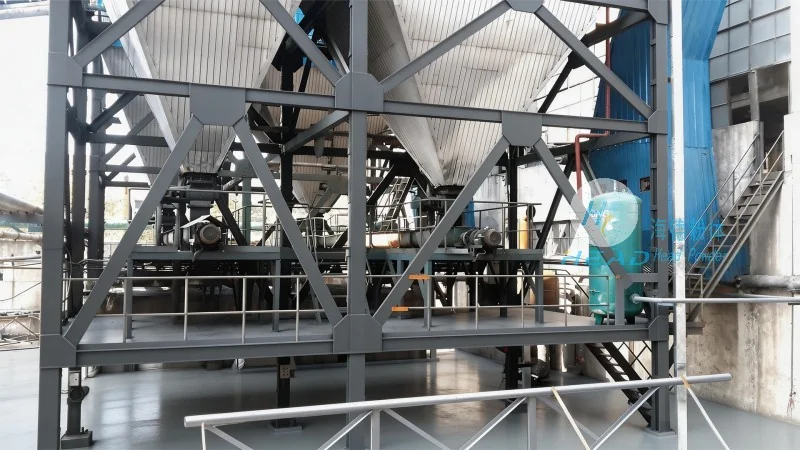
Company Profile: Shandong HeadPowder Engineering Co., Ltd.
As a leading provider in the field of material handling solutions, Shandong HeadPowder Engineering Co., Ltd. specializes in designing and manufacturing equipment tailored to the unique demands of activated carbon processing. With a strong commitment to innovation and quality, the company has established itself as a trusted partner for industries relying on efficient material transport systems. Headquartered in Shandong, China, HeadPowder leverages decades of experience to deliver customized solutions that enhance productivity and safety in material handling operations.
The Core Principle of Activated Carbon Conveying Equipment
The primary objective of activated carbon conveying equipment is to transport bulk activated carbon from storage silos or stockpiles to processing units such as reactors, filters, or treatment plants. The equipment must accommodate the material's physical properties, including its high porosity, lightweight nature, and potential for dust generation. To achieve this, modern conveying systems typically employ either pneumatic (air-assisted) or mechanical (belt, screw, or bucket) methods, each with distinct advantages depending on the application requirements.
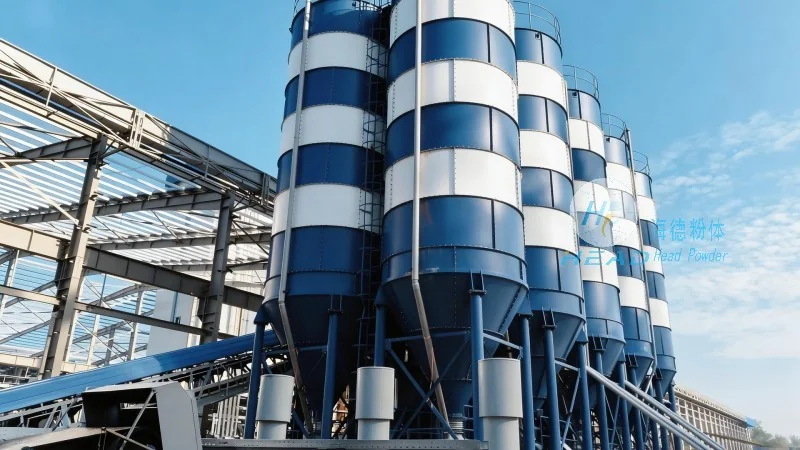
Pneumatic conveying systems, for instance, utilize compressed air to move activated carbon particles through a pipeline network. This method is particularly effective for long-distance transport and can handle fine powders without causing excessive wear on equipment components. Mechanical conveyors, on the other hand, rely on mechanical forces like gravity, belts, or screws to move the material. These systems are often preferred for short to medium distances and when the material needs to be discharged directly into processing equipment without the need for air filtration.
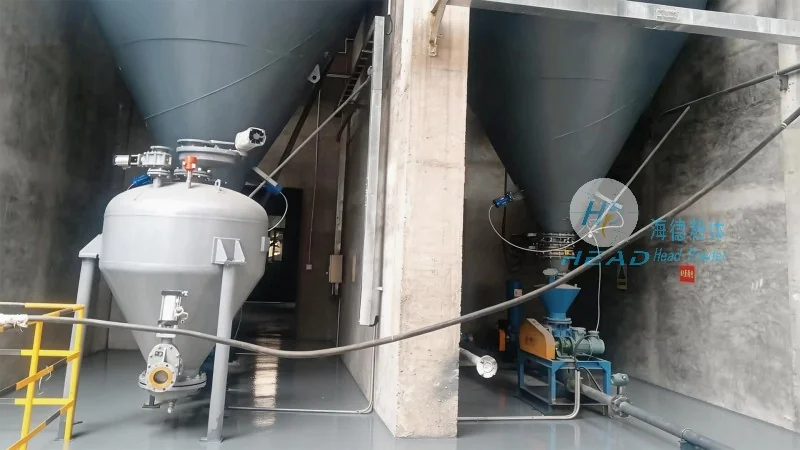
Working Scene Characteristics and Application Scenarios
The operational characteristics of activated carbon conveying equipment are closely tied to the specific industrial environments in which they are deployed. For example, in wastewater treatment plants, the equipment must handle large volumes of activated carbon while maintaining strict contamination control to prevent cross-contamination with treated water. In industrial air purification systems, the conveying system may need to operate under varying pressure conditions and handle high-temperature or corrosive environments, requiring robust materials and design features.

In manufacturing facilities that produce activated carbon, the equipment may be integrated into a continuous production line, where the conveying system must coordinate with other processes such as drying, grinding, and packaging. The flexibility of the system is also crucial, as different production batches may require varying flow rates or particle sizes, necessitating adjustable control mechanisms to optimize performance.
Key Features and Advantages of HeadPowder's Conveying Solutions
HeadPowder's activated carbon conveying equipment is engineered with several key features that address the unique challenges of material handling. These include: (1) dust suppression systems to minimize airborne particles and ensure compliance with environmental regulations; (2) adjustable speed and flow controls to match varying production demands; (3) corrosion-resistant materials to withstand the acidic or alkaline conditions often encountered in activated carbon processing; and (4) compact design for space-constrained facilities. By incorporating these features, HeadPowder's solutions enhance operational efficiency, reduce maintenance costs, and improve overall safety in activated carbon handling operations.