

Operation Process and Working Principle of Wool Pneumatic Conveying
Wool pneumatic conveying systems are specialized equipment designed to transport wool and other fibrous materials efficiently and safely. These systems utilize air pressure to move materials through a network of pipes, offering a non-contact method that minimizes damage to the wool fibers. As a key component in the textile processing industry, these systems are essential for maintaining the quality and integrity of wool during handling and transportation.
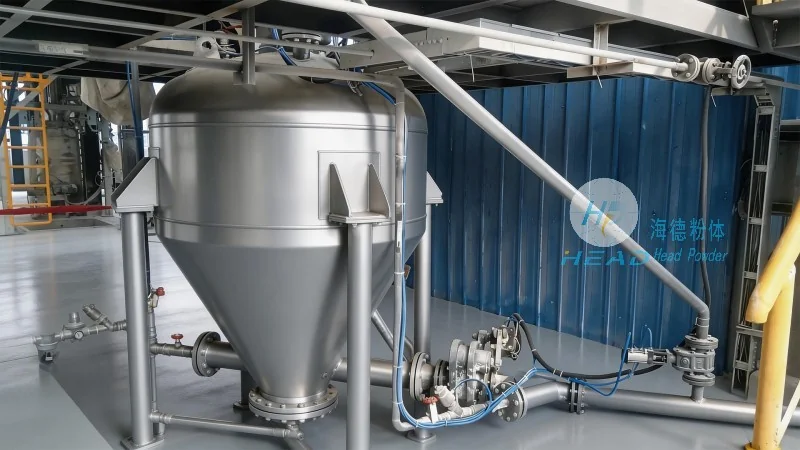
HeadPowder: A Leading Provider of Wool Pneumatic Conveying Solutions
Shandong HeadPowder Engineering Co., Ltd., commonly known as HeadPowder, is a reputable company based in Shandong, China, dedicated to manufacturing and supplying high-quality wool pneumatic conveying systems. With years of experience in the engineering and textile sectors, HeadPowder has established itself as a trusted partner for businesses seeking reliable and efficient material handling solutions. The company's commitment to innovation and customer satisfaction has enabled it to deliver tailored systems that meet the specific needs of its clients in the wool processing industry.
The Operation Process of Wool Pneumatic Conveying
The operation of a wool pneumatic conveying system involves several key steps that ensure smooth and continuous material transport. The process typically begins with the material being fed into a hopper or feeder, where it is then introduced into the conveying line. As the material enters the system, compressed air is introduced into the pipes, creating a flow that propels the wool particles forward. The system may include various components such as cyclones, filters, and separation units to manage the air and material flow effectively. The entire operation is designed to maintain consistent air pressure and flow rates, ensuring that the wool is transported without clogging or damage. HeadPowder's systems are engineered to optimize these processes, providing reliable performance and minimal maintenance requirements.
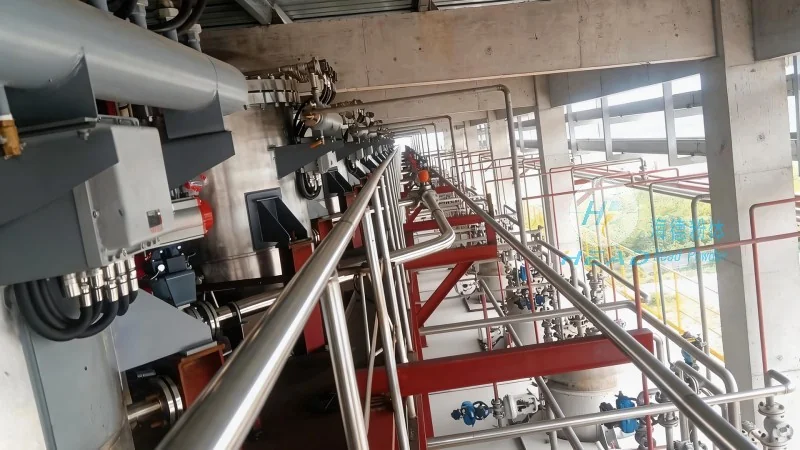
Working Principle of Wool Pneumatic Conveying
The working principle of wool pneumatic conveying relies on the fundamental concept of air as a medium for transporting solid materials. In a typical system, a blower or compressor generates high-pressure air, which is then directed into the conveying pipes. The wool fibers are entrained by the air stream, allowing them to be carried through the system. The air velocity is carefully controlled to ensure that the wool particles are suspended and transported without settling or causing blockages. The system may incorporate features such as pulse jets or rotary valves to regulate the flow and prevent material buildup. HeadPowder's designs incorporate advanced engineering principles to enhance the efficiency and effectiveness of the conveying process, ensuring that the wool is handled with precision and care.
Key Components and Their Functions in Wool Pneumatic Conveying
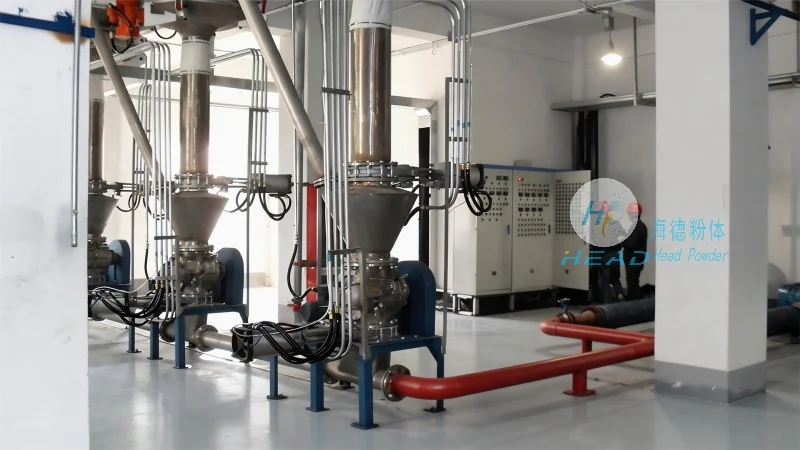
Wool pneumatic conveying systems consist of several critical components that work in harmony to achieve efficient material transport. The primary components include the feeder, which introduces the wool into the system; the conveying line, which transports the material; the cyclone separator, which separates the wool from the air; and the filter system, which cleans the air before it is discharged. Each component plays a vital role in the overall operation. The feeder ensures a consistent feed rate, while the conveying line maintains the air flow and material movement. The cyclone separator uses centrifugal force to separate the wool from the air, allowing the clean air to be recirculated or discharged. The filter system prevents dust and debris from contaminating the air, ensuring a clean and safe working environment. HeadPowder's systems are equipped with high-quality components that are designed for durability and long-term performance, reducing the need for frequent maintenance and replacement.
Advantages of Using Wool Pneumatic Conveying Systems
Wool pneumatic conveying systems offer numerous advantages over traditional material handling methods. One of the primary benefits is the non-contact nature of the process, which minimizes damage to the wool fibers and preserves their quality. This is particularly important in the textile industry, where the integrity of the wool is crucial for the final product. Additionally, these systems are highly efficient, capable of transporting large volumes of material over long distances with minimal energy consumption. The compact design of the systems also saves space in processing facilities, making them ideal for applications with limited floor space. Furthermore, the systems are easy to integrate into existing production lines, allowing for seamless operation and minimal disruption to workflow. HeadPowder's systems are designed to maximize these advantages, providing reliable and cost-effective solutions for wool processing businesses.
Applications of Wool Pneumatic Conveying in the Textile Industry
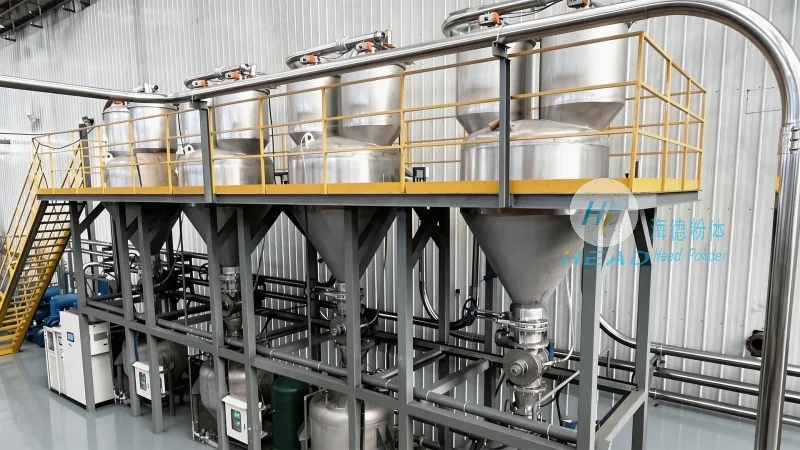
Wool pneumatic conveying systems are widely used in various applications within the textile industry. They are commonly employed in wool processing plants for the transport of raw wool from storage to processing machinery, such as carding and spinning equipment. The systems are also used in the handling of wool waste and byproducts, ensuring that these materials are efficiently recycled or disposed of. Additionally, these systems are utilized in the transportation of wool from one processing stage to another, such as from cleaning to carding or from carding to spinning. The versatility of wool pneumatic conveying systems makes them suitable for a wide range of applications, from small-scale operations to large industrial facilities. HeadPowder's systems are tailored to meet the specific requirements of these applications, providing customized solutions that enhance productivity and efficiency.
Maintenance and Operational Considerations for Wool Pneumatic Conveying Systems
Proper maintenance and operational considerations are essential for ensuring the longevity and efficiency of wool pneumatic conveying systems. Regular maintenance, including cleaning of the filter system and inspection of the conveying line, is crucial to prevent clogging and maintain optimal performance. The air pressure and flow rates should be monitored regularly to ensure they remain within the recommended range. HeadPowder recommends performing routine checks on the blower or compressor to ensure it operates at peak efficiency. Additionally, the system should be inspected for any signs of wear and tear, such as leaks or damaged components, which can affect the overall performance. By following these maintenance guidelines, businesses can extend the lifespan of their systems and minimize downtime. HeadPowder provides comprehensive support and maintenance services to its clients, ensuring that their systems operate at their best.