

Operation Process and Working Principle of Coal and Coke Pneumatic Conveying
Coal and coke pneumatic conveying is a critical technology in the industrial sector, particularly for material handling in coal processing and coking plants. This method efficiently transports bulk materials like coal and coke over long distances using air as the conveying medium. Understanding the operation process and working principle is essential for optimizing performance, ensuring safety, and maintaining operational efficiency in such systems.
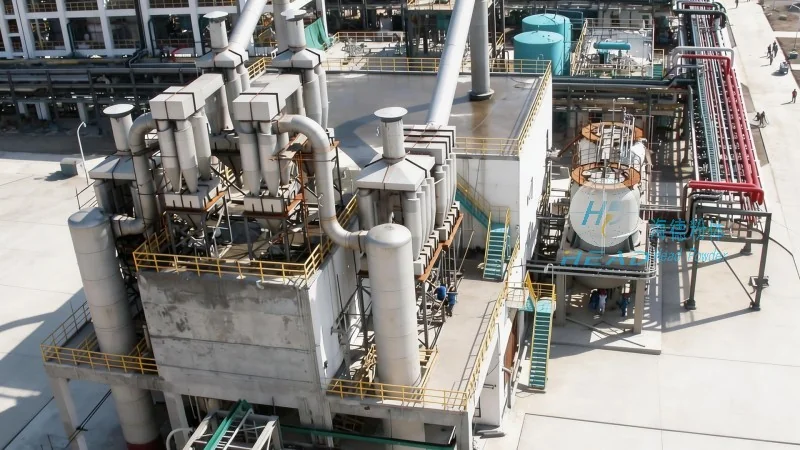
Company Introduction: Shandong HeadPowder Engineering Co., Ltd.
HeadPowder, a leading engineering company based in Shandong, China, specializes in the design, manufacturing, and installation of advanced pneumatic conveying systems. With a strong commitment to innovation and quality, HeadPowder has established itself as a trusted partner in the coal and coke industry, providing tailored solutions that meet the unique demands of clients worldwide. The company's headquarters is located in Shandong, China, where it leverages local expertise and resources to deliver reliable and efficient material handling solutions.
Working Principle of Pneumatic Conveying
The fundamental principle of pneumatic conveying involves the use of compressed air or vacuum to transport solid materials through a pipeline. There are two primary types of pneumatic conveying systems: dilute-phase and dense-phase. Dilute-phase systems use high-velocity air to suspend particles in the air stream, while dense-phase systems employ lower velocities to create a more concentrated flow of material. For coal and coke, the choice of system depends on factors such as material characteristics, distance, and required throughput. The working principle can be broken down into several key components, including the feeder, the conveying line, and the receiver.
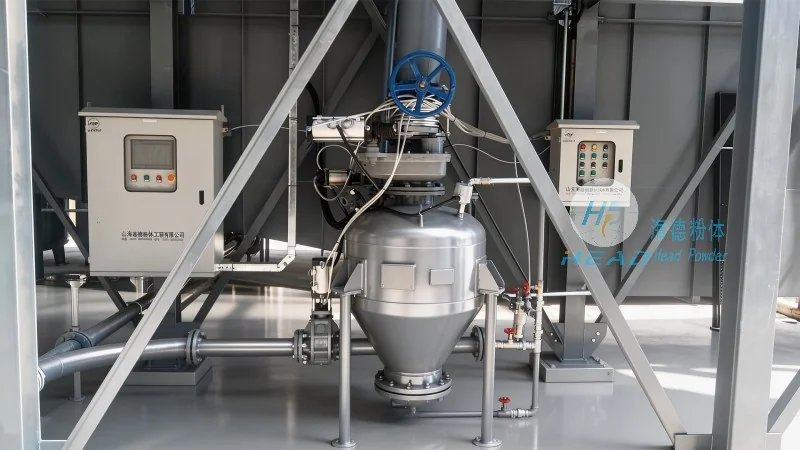
Feeder System
The feeder is the initial component that introduces the material into the conveying system. In coal and coke applications, common feeders include rotary valves, screw feeders, and star feeders. These devices ensure a consistent and controlled flow of material into the pipeline, preventing blockages and maintaining system stability. The feeder's design is critical as it directly impacts the efficiency of the entire conveying process. For example, a rotary valve can handle a wide range of particle sizes and flow rates, making it suitable for various coal and coke types.
Conveying Line
The conveying line is the main pipeline through which the material and air travel. The design of the line, including its diameter, length, and bends, significantly affects the system's performance. In coal and coke pneumatic conveying, the line is typically made of materials like stainless steel or carbon steel, chosen for their durability and resistance to corrosion from the material. The air velocity within the line is carefully controlled to ensure that the material remains suspended and moves efficiently. The line may include components such as elbows, tees, and filters to manage the flow and prevent material deposition or air leakage.
Receiver System
The receiver is the final component where the material is discharged from the conveying system. It is designed to collect the material and separate it from the air stream. In coal and coke applications, the receiver often includes a hopper and a discharge valve. The hopper's design ensures that the material is stored safely and can be discharged at a controlled rate. The receiver may also be equipped with a dust collection system to capture any fine particles that escape during the conveying process, ensuring environmental compliance and operational safety.
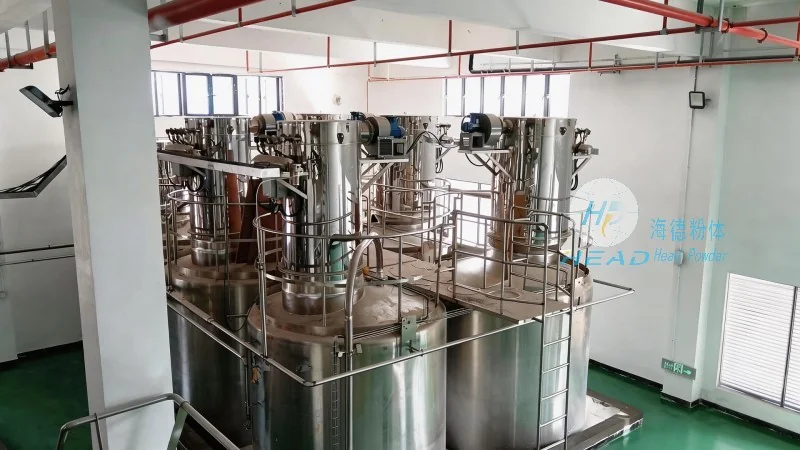
Operation Process of Coal and Coke Pneumatic Conveying
The operation process of a coal and coke pneumatic conveying system involves several sequential steps that ensure smooth and efficient material transport. The process typically begins with the preparation of the material, where it is stored in a hopper or silo and prepared for feeding. The feeder then introduces the material into the conveying line at a controlled rate. Simultaneously, the air compressor or vacuum pump generates the necessary pressure or vacuum to move the material through the line. The material is then transported to the receiver, where it is collected and stored for further processing. The system may include control mechanisms, such as sensors and valves, to monitor and adjust the flow rate, pressure, and other parameters in real-time. These controls help maintain optimal performance and prevent issues like overloading or blockages.
Key Factors Influencing Performance
Several factors influence the performance of coal and coke pneumatic conveying systems. Material characteristics, such as particle size, density, and moisture content, play a crucial role. Larger or denser particles may require higher air velocities or more powerful compressors to ensure efficient transport. The distance between the feeder and receiver also impacts the system's design, as longer distances may necessitate additional booster pumps or larger line diameters. Additionally, the system's operating pressure or vacuum level must be optimized to balance efficiency and energy consumption. Proper maintenance of the system, including regular cleaning of filters and checking for leaks, is essential to maintain performance and extend the lifespan of the equipment.
Advantages of Pneumatic Conveying for Coal and Coke
Pneumatic conveying offers several advantages over traditional material handling methods, such as belt conveyors or bucket elevators. One of the primary benefits is the ability to transport materials in a closed system, which reduces dust emissions and improves environmental safety. This is particularly important for coal and coke, which can generate significant dust during handling. Additionally, pneumatic conveying systems can handle a wide range of particle sizes and shapes, making them suitable for various applications in the coal and coke industry. The technology also allows for flexible system layouts, as the conveying line can be easily reconfigured to accommodate changes in production or facility design. Furthermore, the system can be integrated with other processes, such as dust collection and material storage, to create a comprehensive material handling solution.
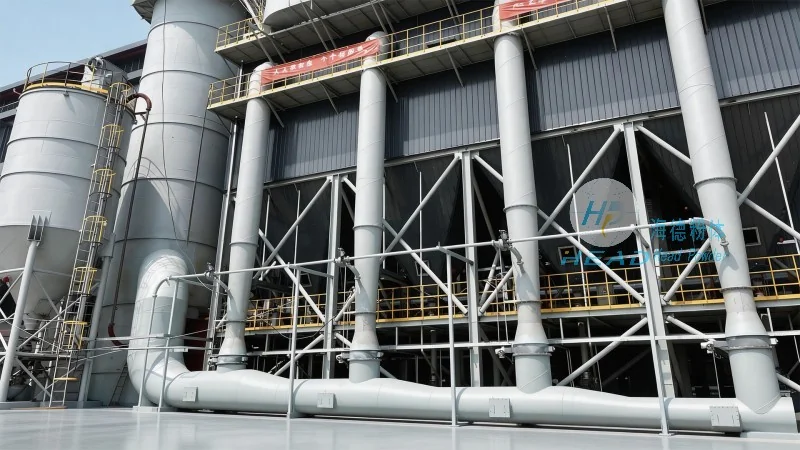
Applications in the Coal and Coke Industry
Coal and coke pneumatic conveying systems are widely used in various applications within the coal and coke industry. In coal processing plants, the system is used to transport raw coal from storage silos to processing equipment, such as crushers and grinders. In coking plants, the system is employed to move coke from the coking ovens to storage areas or to other processing units. The technology is also used in coal preparation plants to transport coal fines and other byproducts. Additionally, pneumatic conveying is used in the transportation of coke from the coking plant to steel mills or other industrial facilities. The versatility of the system makes it suitable for a wide range of applications, from small-scale operations to large-scale industrial plants.
Conclusion
Coal and coke pneumatic conveying is a sophisticated and efficient method for material handling in the industrial sector. Understanding the working principle and operation process is essential for optimizing system performance and ensuring safety. Companies like Shandong HeadPowder Engineering Co., Ltd. play a vital role in providing advanced solutions that meet the evolving needs of the coal and coke industry. By leveraging the principles of pneumatic conveying and incorporating innovative design elements, these systems can enhance productivity, reduce costs, and improve environmental performance. As the industry continues to evolve, the importance of efficient material handling will only grow, making pneumatic conveying an indispensable technology for the future of coal and coke processing.