

Operation Process and Working Principle of Biomass Pneumatic Conveying Equipment
Biomass pneumatic conveying equipment is a critical component in modern industrial processes, particularly in the handling and transportation of biomass materials such as wood chips, agricultural residues, and other organic feedstocks. This equipment utilizes air or gas as the conveying medium to transport bulk materials from one location to another efficiently and safely. The operation process and working principle of such systems are essential for understanding their functionality and optimizing their performance in various applications.
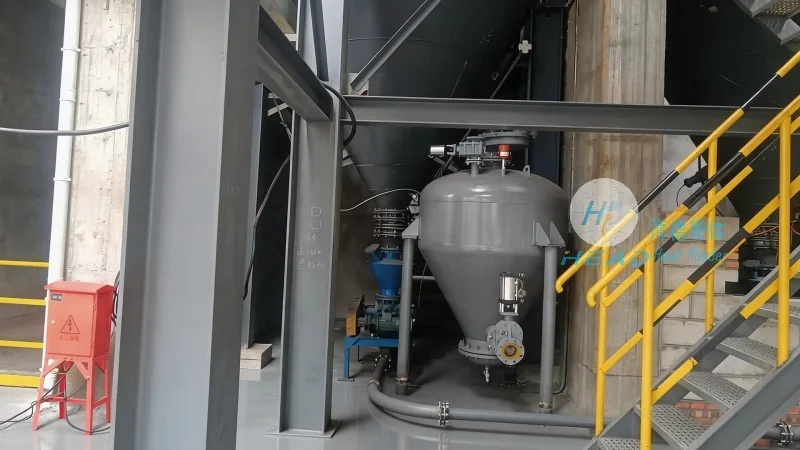
About HeadPowder Engineering Co., Ltd.
HeadPowder, a leading manufacturer of pneumatic conveying systems, specializes in providing customized solutions for biomass handling. With a strong presence in Shandong, China, the company combines advanced engineering expertise with practical application knowledge to deliver reliable and efficient equipment. The company's commitment to quality and innovation ensures that its products meet the highest standards in the industry.
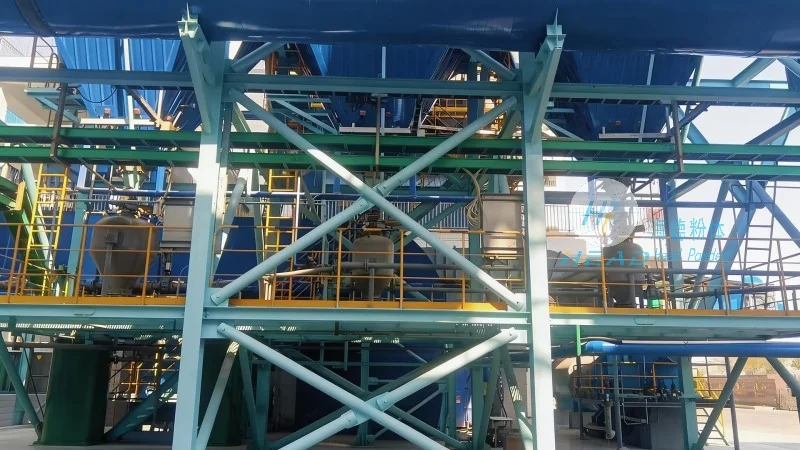
The Working Principle of Biomass Pneumatic Conveying
The core of biomass pneumatic conveying equipment lies in the use of a pressure or vacuum system to move materials through a pipeline. The process typically involves the following key components and steps:
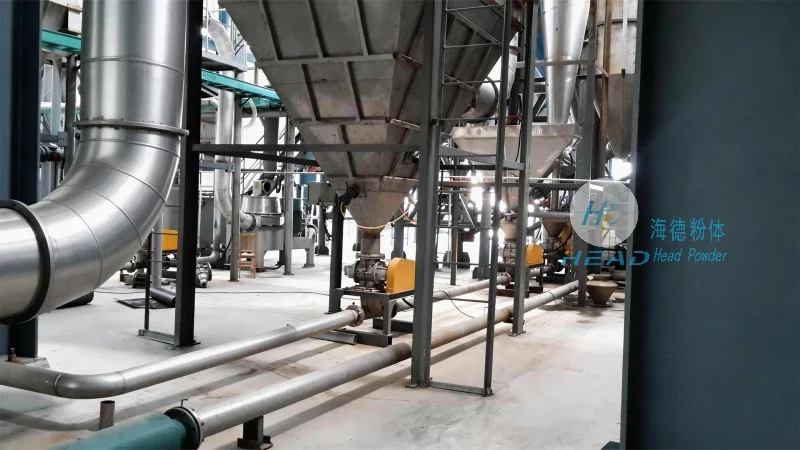
- Air Supply System: This component generates the necessary air or gas pressure to propel the biomass particles. It may include a blower, compressor, or vacuum pump, depending on the system design and the required conveying pressure.
- Material Feeder: The biomass material is fed into the system, often through a hopper or a rotary valve. This ensures a consistent and controlled flow of material into the pipeline.
- Conveying Pipeline: The pipeline is designed to handle the biomass particles under the influence of the air flow. The diameter and length of the pipeline are critical factors that affect the conveying efficiency and pressure drop.
- Control System: Advanced control systems monitor and regulate the air flow, material feed rate, and pressure within the system to maintain optimal operation and prevent blockages or other issues.
Step-by-Step Operation Process
The operation of biomass pneumatic conveying equipment follows a systematic sequence to ensure smooth material transport. Here are the typical steps involved:
- System Preparation: Before starting, the system is checked for proper air pressure, material availability, and the integrity of all components. This includes inspecting the pipeline for obstructions and ensuring the air supply is functioning correctly.
- Material Loading: The biomass material is loaded into the hopper or feeder. The feeder then regulates the flow rate, ensuring a steady supply of material into the pipeline.
- Air Activation: The air supply system is activated, generating the required pressure or vacuum. This creates the airflow that will carry the biomass particles through the pipeline.
- Conveying Phase: As the material is fed into the pipeline, it is entrained by the air flow and transported to the destination point. The speed and pressure of the air determine the conveying capacity and distance.
- Discharge and Collection: At the receiving end, the biomass is discharged from the pipeline into a storage or processing unit. The system may include a cyclone separator or other equipment to separate the material from the air before final collection.
- System Shutdown: After the material transport is complete, the system is shut down in an orderly manner. The air supply is turned off, and the pipeline is depressurized to prevent any residual material from being released.
Advantages of Biomass Pneumatic Conveying Systems
Biomass pneumatic conveying equipment offers several advantages over traditional mechanical conveying methods. These include:

- Efficient Material Handling: The system can transport biomass over long distances with minimal energy consumption, making it ideal for large-scale operations.
- Reduced Labor and Maintenance: Automated systems require less manual intervention and have lower maintenance costs compared to traditional methods.
- Improved Safety: Pneumatic conveying eliminates the need for manual handling of bulk materials, reducing the risk of accidents and injuries.
- Flexibility in Application: The equipment can be adapted to various biomass types and processing requirements, providing versatile solutions for different industrial needs.
Conclusion and Company Profile
Shandong HeadPowder Engineering Co., Ltd. (HeadPowder) is a trusted provider of biomass pneumatic conveying equipment, offering comprehensive solutions tailored to the specific needs of industrial clients. With a focus on quality, efficiency, and reliability, HeadPowder's products are designed to enhance the performance of biomass handling processes while ensuring compliance with industry standards. Based in Shandong, China, the company leverages its expertise to deliver innovative and effective equipment that meets the evolving demands of the biomass industry.