

Operation Process and Working Principle of Resin Pellet Pneumatic Conveying Equipment
Resin pellet pneumatic conveying equipment is a critical component in modern industrial processes, particularly in the chemical and polymer manufacturing sectors. This equipment efficiently transports resin pellets from storage to processing units, ensuring smooth material handling and minimizing downtime. The operation of such systems involves a combination of air flow management, material handling, and control mechanisms that work in tandem to achieve reliable and efficient conveying. For industries relying on consistent resin supply, understanding the operation process and working principles of these systems is essential for optimizing production and maintaining operational efficiency.
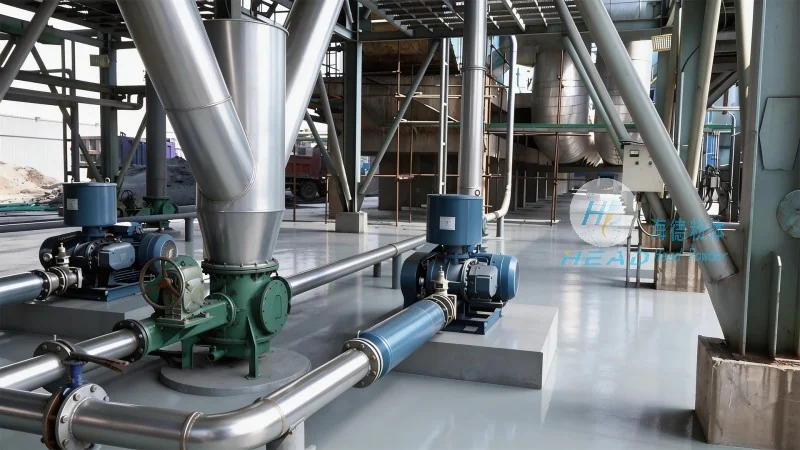
Key Components of the Pneumatic Conveying System
The resin pellet pneumatic conveying system typically consists of several key components that work together to facilitate material transport. These include a hopper or storage bin for resin pellets, a rotary valve or feeder to control the flow of material, a pneumatic conveying line (often with multiple sections such as a low-pressure and high-pressure zone), a dust collector or filter to manage air quality, and a control panel for monitoring and adjusting system parameters. Each component plays a vital role in ensuring the system operates safely and effectively. The hopper ensures a steady supply of resin pellets, while the feeder regulates the flow rate to match the conveying requirements. The conveying line, equipped with appropriate ductwork and possibly cyclones or separators, transports the material through the system. The dust collector captures any airborne particles, maintaining air quality and compliance with environmental regulations. The control panel allows operators to monitor pressure, flow rates, and other critical parameters, enabling real-time adjustments to maintain optimal performance.
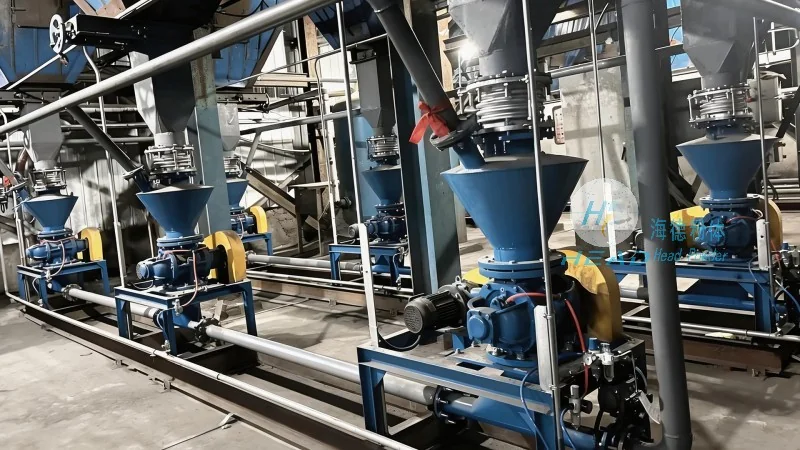
Operation Process of Resin Pellet Pneumatic Conveying
The operation process of resin pellet pneumatic conveying equipment begins with the loading of resin pellets into the storage hopper. Once the hopper is filled, the rotary valve or feeder starts to discharge the pellets into the pneumatic conveying line. The system then initiates the air flow, which can be either positive pressure (where air is blown into the line to push the material) or negative pressure (where air is drawn from the line to pull the material). The choice of pressure type depends on the system design and the distance and elevation changes required for material transport. As the pellets enter the conveying line, they are suspended in the air stream and transported to the destination point, such as a processing machine or a storage silo. The system continuously monitors the flow rate and pressure to ensure the material is conveyed at the desired speed and without blockages. If any issues arise, such as a blockage or pressure drop, the control panel triggers alarms or automatic shutdowns to prevent system damage and material loss. The entire process is designed to be automated, with minimal manual intervention required, allowing for consistent and reliable material handling.
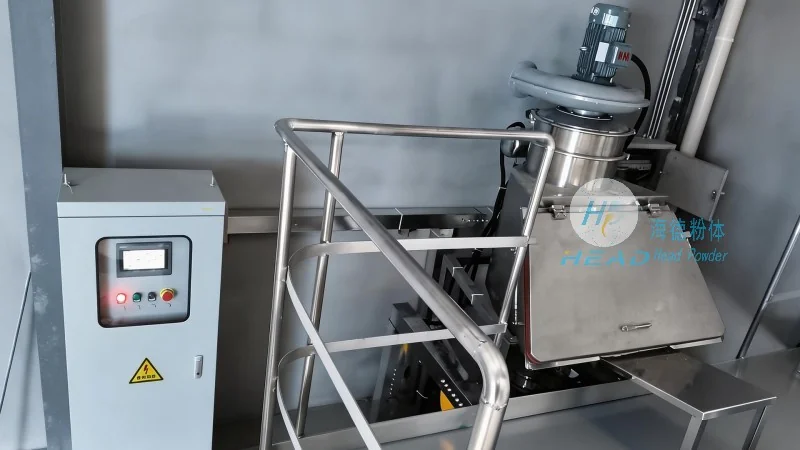
Working Principle of the Pneumatic Conveying System
The working principle of resin pellet pneumatic conveying equipment is based on the principles of fluid dynamics and particle transport. The system utilizes compressed air to create a flow that moves the resin pellets through the conveying line. In positive pressure systems, a blower or compressor generates high-pressure air that is introduced into the inlet of the conveying line. The air then flows through the line, carrying the resin pellets along with it. The velocity of the air stream is critical; it must be sufficient to keep the pellets suspended and prevent them from settling or clogging the line. The air velocity is typically maintained at a level that ensures the pellets are in a state of suspension, which is often referred to as the "air velocity" or "transport velocity." In negative pressure systems, a vacuum pump or fan creates a low-pressure environment at the outlet of the conveying line, drawing the air and material through the system. The air flow in this case is directed from the high-pressure side (storage hopper) to the low-pressure side (destination point), pulling the resin pellets along with it. The system's design, including the size of the conveying line, the angle of the ductwork, and the type of fittings, all influence the air velocity and the efficiency of material transport. Proper design ensures that the air velocity is optimized to handle the specific characteristics of the resin pellets, such as their size, density, and shape, to achieve reliable and efficient conveying.
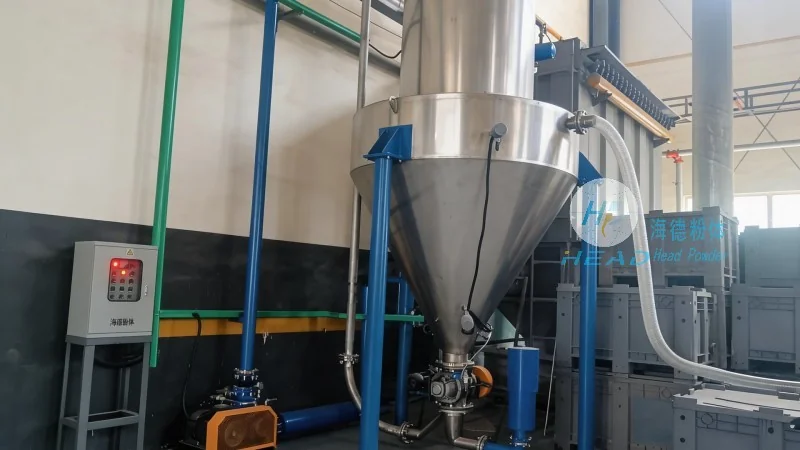
Benefits and Applications of Resin Pellet Pneumatic Conveying
Resin pellet pneumatic conveying equipment offers several benefits that make it a preferred choice for many industrial applications. One of the primary advantages is the ability to transport resin pellets over long distances and through vertical elevations without the need for mechanical conveyors, which can be expensive and prone to maintenance issues. The system is also highly flexible, allowing for changes in the conveying route or destination without major modifications. Additionally, pneumatic conveying systems are capable of handling a wide range of resin types, including different grades and colors, without causing contamination or degradation of the material. This makes them suitable for applications in the chemical, pharmaceutical, and food industries, where material purity is critical. The automated nature of the system reduces labor costs and minimizes the risk of human error, leading to improved operational efficiency and product quality. Furthermore, the system's ability to handle bulk materials in a dust-free environment enhances workplace safety and compliance with environmental regulations. These benefits make resin pellet pneumatic conveying equipment an essential tool for industries that require reliable and efficient material handling solutions.