

Operation Process and Working Principle of Coal Sand Powder Conveying System
The coal sand powder conveying system represents a sophisticated solution for the efficient and reliable transport of coal sand and other fine particulate materials. As a critical component in industrial material handling, this system is engineered to handle the unique challenges posed by coal sand, including its abrasive nature and varying particle sizes. The system is designed to minimize material loss, reduce operational downtime, and enhance overall productivity in applications such as mining, power generation, and chemical processing. By integrating advanced technology and robust construction, the system ensures consistent performance under demanding conditions, making it an essential asset for modern industrial operations.
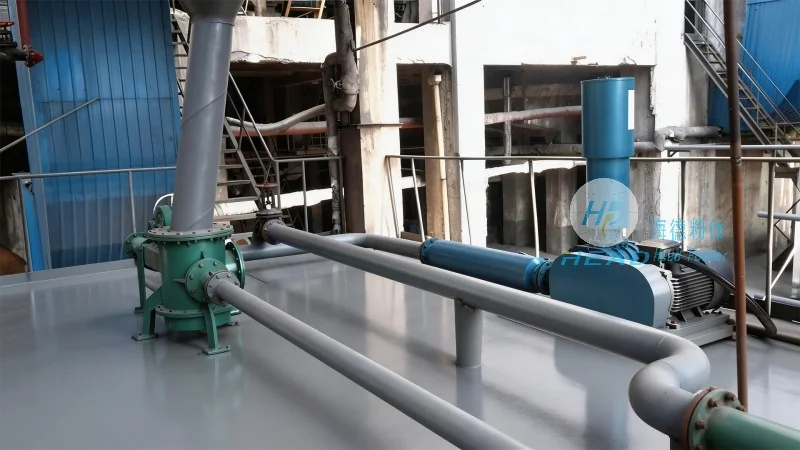
Key Components and Their Functions
The coal sand powder conveying system comprises several key components, each playing a vital role in the overall operation. The primary components include a storage hopper, a controlled feeder, a conveyor mechanism (either pneumatic or mechanical), and a discharge unit. The storage hopper is responsible for holding the coal sand, providing a stable source of material for the system. The feeder regulates the flow rate of the material, ensuring a consistent and controlled input to the conveyor. The conveyor mechanism, which can be a screw conveyor or a pneumatic system, transports the coal sand through the system. The screw conveyor uses rotating screws to push the material forward, while the pneumatic system suspends the material in a stream of air for transport. The discharge unit collects the material at the end of the system and directs it to the desired destination, such as a storage silo or processing unit. Each component is constructed from durable materials, such as stainless steel or high-grade alloys, to withstand the abrasive properties of coal sand and extend the system's service life.
Operating Process: Step-by-Step Explanation
The operation of the coal sand powder conveying system begins with the loading of coal sand into the storage hopper. The feeder then activates, controlling the flow rate of the material into the conveyor. The conveyor mechanism then transports the coal sand through the system, maintaining a steady pressure and flow. In a pneumatic system, the air pressure and velocity are carefully adjusted to keep the material in a fluidized state, preventing clogging and ensuring smooth movement. In a screw conveyor, the rotating screws push the material forward, with the speed of rotation determining the flow rate. The discharge unit at the end of the system collects the material and directs it to the desired destination. Throughout the process, sensors and control systems monitor key parameters, including pressure, flow rate, and temperature, to ensure optimal performance and detect any anomalies. This real-time monitoring allows for immediate adjustments, preventing system failures and maintaining consistent material transport.
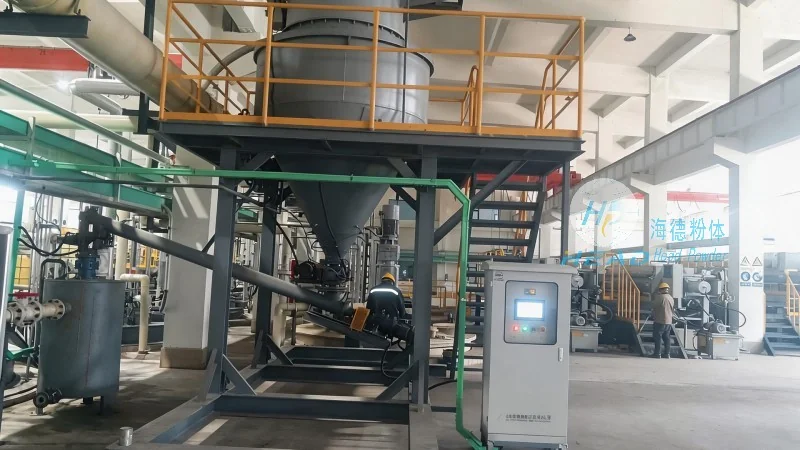
Working Principle: Fluidization and Mechanical Transport
The working principle of the coal sand powder conveying system is based on the concept of fluidization, which involves suspending the coal sand particles in a fluid medium (either air or a liquid) to achieve a fluid-like state. In pneumatic conveying systems, the coal sand is suspended in a stream of air, which provides the necessary force to transport the material. The air pressure and velocity are carefully controlled to maintain the material in a fluidized state, preventing agglomeration and ensuring smooth movement. The system may also incorporate mechanical components, such as screw conveyors, which use the principle of mechanical force to push the material forward. The screw conveyor's rotating screws create a helical path for the material, ensuring consistent transport. Both pneumatic and mechanical systems are designed to minimize friction and wear, while maximizing the efficiency of material transport. The system's design ensures that the coal sand particles are transported without damage, maintaining their quality and integrity throughout the process.
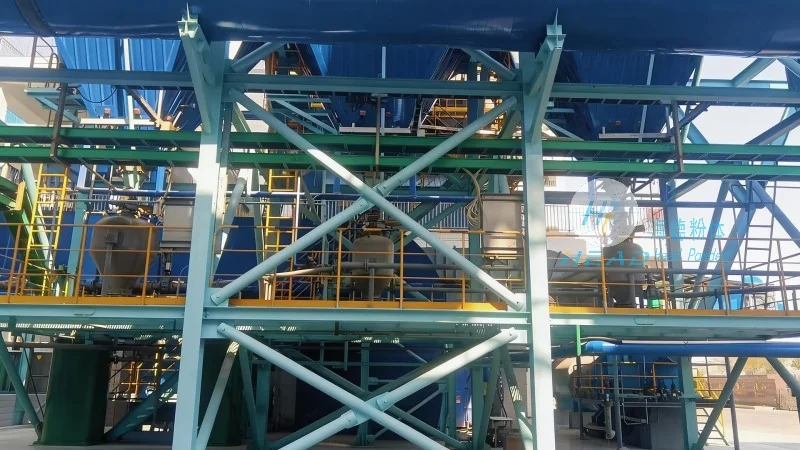
Advantages and Benefits for Industrial Applications
Implementing a coal sand powder conveying system offers numerous advantages for industrial operations. Firstly, it significantly reduces material handling costs by eliminating the need for manual or bulk material transport. The system provides a continuous and reliable flow of materials, reducing downtime and increasing productivity. Secondly, it minimizes dust generation and improves workplace safety by containing the material within the system. This reduces the risk of respiratory issues and other health hazards associated with fine powders. Thirdly, the system enhances operational efficiency by allowing for precise control over the flow rate and pressure, ensuring optimal performance. Additionally, the system is designed for easy maintenance and can be customized to meet specific operational requirements, making it a versatile solution for various industrial applications. The durability and reliability of the system ensure long-term performance, reducing the need for frequent repairs and replacements.
Application Examples and Industry Impact
The coal sand powder conveying system is widely used in several industries where fine powders need to be transported efficiently and safely. In the mining industry, it is used to transport coal sand from mines to processing facilities, where it is further processed into usable products. In power generation plants, the system is employed to convey coal sand to boilers for combustion, ensuring a steady supply of fuel. In chemical processing, it is used to transport raw materials to reactors and processing units, maintaining consistent production rates. The system's adaptability and reliability make it a preferred choice for industries that require consistent and high-quality material transport. By improving material handling efficiency and reducing operational costs, the system contributes to the overall productivity and profitability of industrial operations. The system's design also aligns with modern industrial standards, ensuring compliance with safety and environmental regulations.