

Operation Process and Working Principle of Positive Pressure Powder Handling Equipment
HeadPowder, a leading manufacturer based in Shandong, China, specializes in the design, development, and production of positive pressure powder handling equipment. This article provides a detailed overview of the operation process and working principle of such equipment, highlighting its key components, operational steps, and the technology behind efficient powder transport.
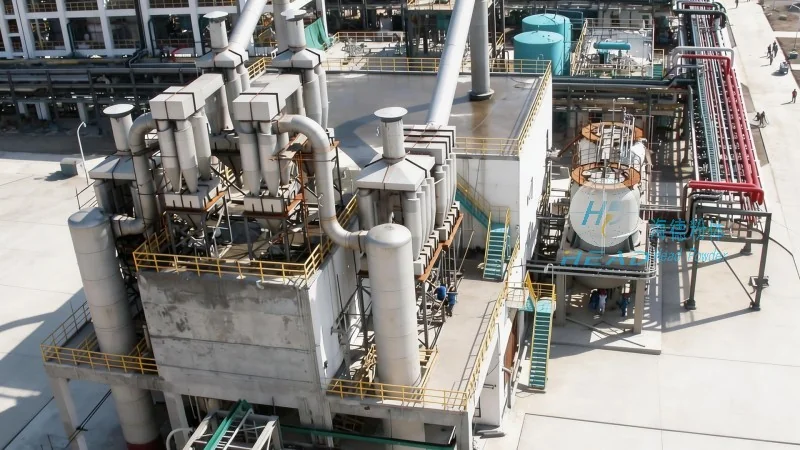
Understanding Positive Pressure Powder Handling Equipment
Positive pressure powder handling systems are engineered to transport bulk powders through pipelines under positive pressure. Unlike negative pressure systems, these devices create a pressure differential that forces the material to move from the source to the destination. This method is particularly effective for handling fine powders, granules, and other dry bulk materials, ensuring minimal product degradation and loss during transit.
Key Components of the Equipment
The core components of a positive pressure powder handling system include the powder feeder, the positive pressure blower or compressor, the pipeline system, and the discharge valve or receiver. Each component plays a critical role in the overall operation. The powder feeder, often a rotary valve or a screw feeder, regulates the flow rate of the material into the system. The positive pressure blower or compressor generates the necessary airflow to push the powder through the pipeline. The pipeline system, typically made of stainless steel or other corrosion-resistant materials, ensures the material is transported without clogging or degradation. The discharge valve or receiver controls the outlet of the material, allowing it to be delivered to the final destination, such as a storage silo or processing unit.

The Operation Process: Step-by-Step
The operation of positive pressure powder handling equipment follows a systematic sequence to ensure efficient and safe powder transport. The process begins with the preparation of the powder, where the material is loaded into the feeder. The feeder then meters the powder into the pipeline as the blower or compressor starts operating. The positive pressure generated by the blower forces the powder to move through the pipeline, maintaining a consistent flow rate. As the powder travels, it may encounter various components like bends, filters, or mixers, which are integrated into the system to enhance the transport process. The discharge valve or receiver at the end of the pipeline controls the release of the powder, ensuring it is delivered to the target location without spillage or loss.
Working Principle: How It Works
The working principle of positive pressure powder handling equipment is based on the fundamental principle of fluid dynamics and pressure differentials. The system operates by creating a higher pressure at the inlet of the pipeline compared to the ambient pressure at the outlet. This pressure difference generates a force that propels the powder particles through the pipeline. The blower or compressor continuously supplies air or gas, which mixes with the powder, forming a slurry-like mixture known as a "pneumatic conveying stream." This stream moves the powder along the pipeline, maintaining the necessary velocity to prevent particle settling or clogging. The design of the components, such as the feeder and pipeline, is optimized to minimize friction and pressure drop, ensuring the system operates efficiently with minimal energy consumption.
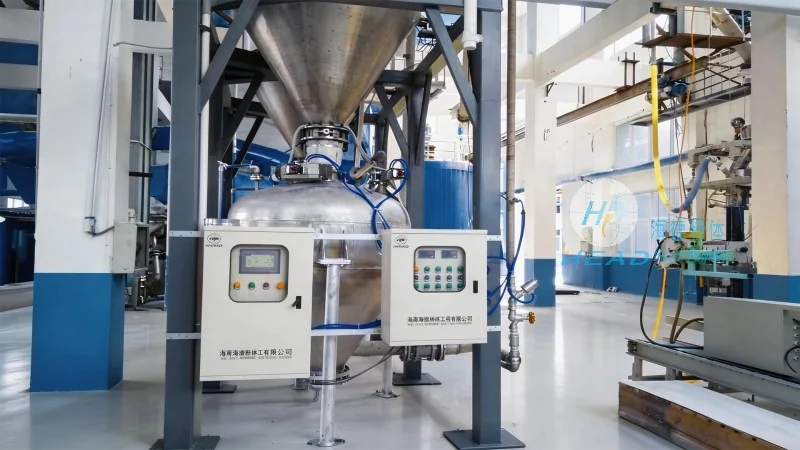
Advantages of Positive Pressure Systems
Positive pressure powder handling systems offer several advantages over other transport methods. They are highly effective for handling fine and cohesive powders, which are difficult to transport using negative pressure systems. The positive pressure method reduces the risk of product contamination and degradation, as the material is enclosed within the pipeline, preventing exposure to external elements. Additionally, these systems can handle high material loads and long-distance transport, making them suitable for industrial applications where bulk powder transport is required. The equipment is also relatively easy to maintain and operate, with minimal downtime required for maintenance.
Applications in Various Industries
Positive pressure powder handling equipment is widely used across various industries, including pharmaceuticals, food processing, chemical manufacturing, and mining. In the pharmaceutical industry, these systems are used to transport active pharmaceutical ingredients (APIs) and excipients, ensuring strict contamination control and product integrity. In the food industry, they are used to handle dry ingredients like flour, sugar, and spices, maintaining the quality and freshness of the products. In chemical manufacturing, they transport raw materials and intermediates, supporting efficient production processes. In mining, they are used to transport minerals and ores from the extraction site to processing facilities, improving operational efficiency.