

Operation Process and Working Principle of Winery Slurry Powder Conveyors
Winery slurry, also known as distiller's grain or grape pomace, is a byproduct of the winemaking process that requires efficient handling and transportation. For facilities seeking reliable equipment to manage this material, the winery slurry powder conveyor from Shandong HeadPowder Engineering Co., Ltd. offers a robust solution tailored to the unique challenges of slurry processing. This equipment is designed to ensure smooth, low-maintenance operation while maximizing productivity in winery operations.
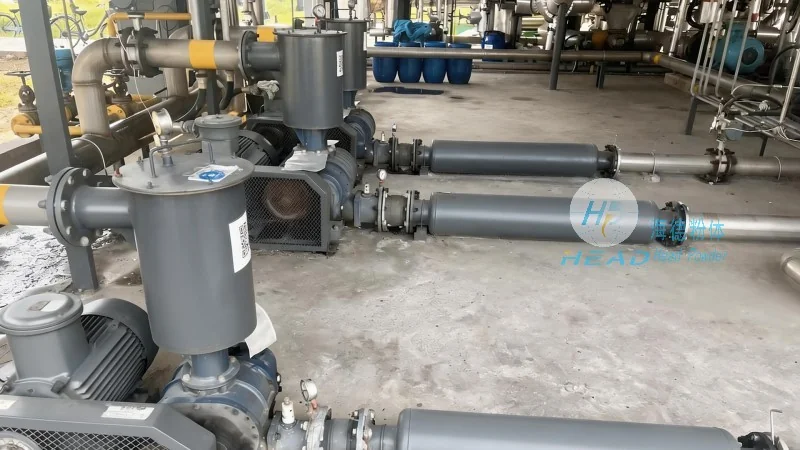
Overview of the Winery Slurry Powder Conveyor System
The winery slurry powder conveyor system from HeadPowder is engineered to handle the viscous and fibrous nature of winery slurry, converting it into a manageable powder form for transport. The system integrates multiple components that work in tandem to achieve consistent and efficient material movement. Key features include a specialized feeding mechanism, a high-capacity conveyor section, and a discharge system optimized for downstream processing or storage.
Step-by-Step Operation Process
The operation of the winery slurry powder conveyor begins with the intake of raw slurry at the feeding hopper. The slurry is then fed into a pre-processing unit where it undergoes initial dewatering and grinding to reduce particle size and improve flowability. This pre-processing step is critical for preventing clogging and ensuring uniform material distribution. Following this, the processed slurry is transferred to the main conveyor section, which typically employs a screw or auger mechanism to move the material through the system. The conveyor is equipped with variable speed controls, allowing operators to adjust the throughput rate based on production demands. As the slurry moves along the conveyor, it is continuously mixed and aerated to maintain a consistent powder consistency. The final discharge point is designed to deliver the slurry powder to a storage silo or processing unit, where it can be further utilized in animal feed, biofuel production, or other industrial applications.
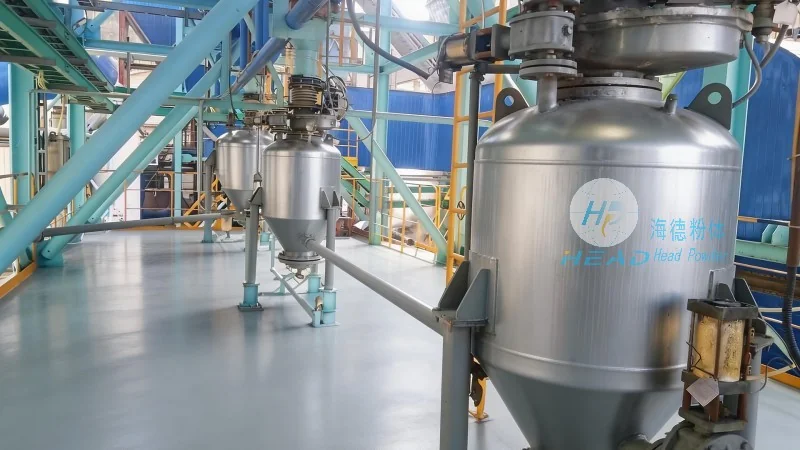
Working Principle of the Conveyor Mechanism
The core of the winery slurry powder conveyor's functionality lies in its mechanical design, which is optimized for handling abrasive and moisture-rich materials. The system utilizes a combination of gravity and mechanical force to move the slurry through the conveyor. The feeding hopper is equipped with a heavy-duty gate valve that controls the flow rate of the slurry into the processing unit. Inside the processing unit, a rotating screw or auger (depending on the model) acts as the primary conveyor element. As the screw rotates, it lifts and transports the slurry particles along the conveyor's length. The design of the screw flights is crucial, as they are shaped to minimize friction and prevent material buildup on the conveyor surface. Additionally, the conveyor is often fitted with a series of perforated plates or screens that help to break down larger clumps and maintain a uniform particle size. The discharge mechanism at the end of the conveyor uses a controlled outlet to regulate the flow of the slurry powder, ensuring a steady output without spillage or blockage.
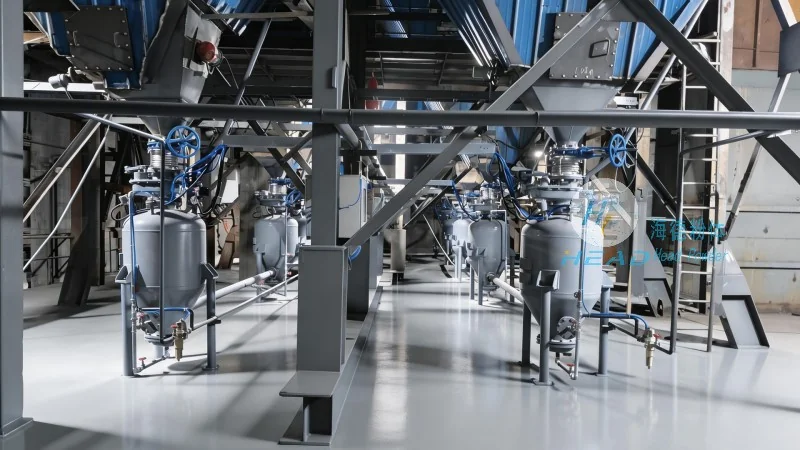
Technical Advantages and Efficiency
HeadPowder's winery slurry powder conveyor offers several technical advantages that enhance its performance and reliability. The robust construction, using corrosion-resistant materials such as stainless steel and high-grade alloys, ensures durability even in harsh, moisture-rich environments. The variable speed control system allows for precise adjustment of the conveyor's capacity, enabling operators to match production rates with downstream processes. This flexibility is particularly valuable in wineries with fluctuating production volumes. The system also features automatic lubrication and maintenance alerts, reducing downtime and maintenance costs. Furthermore, the conveyor's design minimizes energy consumption by optimizing the mechanical efficiency of the screw and auger components. By reducing friction and improving material flow, the system achieves higher throughput with lower operational costs compared to traditional manual or low-efficiency conveyors.
Application and Integration in Winery Operations
The winery slurry powder conveyor is designed to integrate seamlessly into existing winery infrastructure. It can be installed as a standalone unit or integrated with other processing equipment, such as dewatering machines, grinding mills, or storage silos. The system's modular design allows for easy customization to fit specific winery layouts and production requirements. In typical winery applications, the conveyor is used to transport slurry from the fermentation tanks to a storage area or to a processing facility where it is converted into animal feed or biofuel. The consistent powder output ensures that downstream processes, such as mixing or pelletizing, can proceed smoothly without interruptions. The equipment's low maintenance requirements and high reliability make it an ideal choice for wineries seeking to optimize their material handling processes while reducing operational costs.