

Operation Process and Working Principle of the Trinary Positive Electrode Material Powder Conveying
HeadPowder, a leading manufacturer in the field of powder handling technology, specializes in providing advanced solutions for the transportation and processing of trinary positive electrode materials. The Trinary Positive Electrode Material Powder Conveying System Equipment is a sophisticated piece of machinery designed to ensure efficient, safe, and reliable handling of these critical materials used in lithium-ion battery production. This equipment is essential for maintaining the quality and consistency of the powder, which directly impacts the performance of the final battery products.
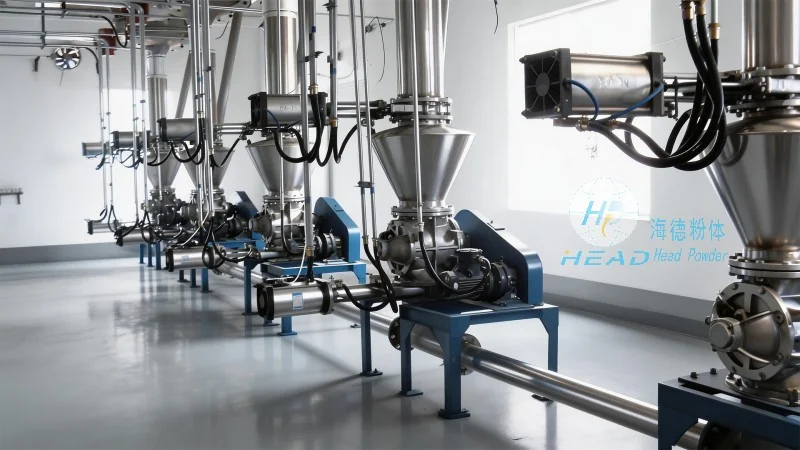
Key Components and Structure of the Conveying System
The Trinary Positive Electrode Material Powder Conveying System Equipment comprises several key components that work in tandem to achieve optimal performance. The system typically includes a hopper for material storage, a feeding mechanism to control the flow rate, a conveying pipeline (often using pneumatic or mechanical methods), and a discharge unit for material delivery. The hopper is designed with a smooth interior surface to prevent material buildup and ensure uniform flow. The feeding mechanism, such as a rotary valve or a screw feeder, allows for precise control over the amount of material being conveyed, which is crucial for maintaining the material's quality and preventing overloading of the downstream equipment. The conveying pipeline may utilize air pressure (pneumatic conveying) or mechanical components (like screw conveyors or belt conveyors) depending on the specific requirements of the application. The discharge unit is equipped with a control valve to regulate the output flow, ensuring that the material is delivered to the next processing stage in a controlled manner.
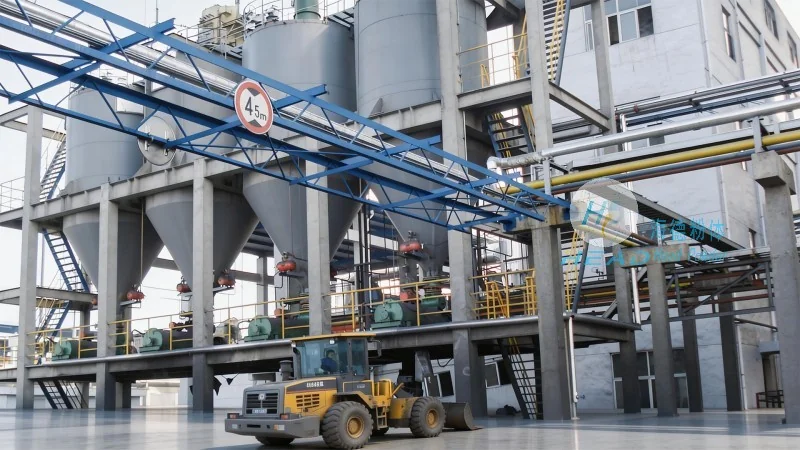
Working Principle of the Conveying System
The operation of the Trinary Positive Electrode Material Powder Conveying System Equipment is based on a combination of mechanical and pneumatic principles, tailored to handle the delicate and reactive nature of trinary positive electrode materials. The process begins with the material being fed from the hopper into the conveying system. The feeding mechanism adjusts the flow rate to match the system's capacity, ensuring that the material moves smoothly through the pipeline without clogging or segregation. In pneumatic conveying systems, compressed air is introduced into the pipeline, creating a flow that carries the powder particles forward. The air pressure and velocity are carefully controlled to maintain the material's suspended state, preventing particle agglomeration and ensuring uniform distribution. Mechanical conveyors, such as screw or belt conveyors, rely on rotating components to move the material along the pipeline. These systems are often preferred for materials that are more abrasive or require higher conveying capacities. The discharge unit then regulates the flow of material to the next stage, such as mixing or coating equipment, where the material is further processed into the final electrode components.
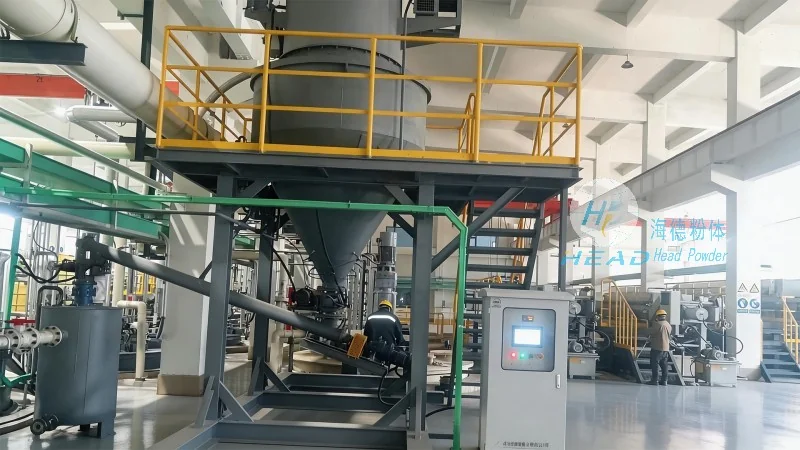
Operation Process: Step-by-Step Guide
The operation of the Trinary Positive Electrode Material Powder Conveying System Equipment follows a systematic process to ensure consistent and efficient material handling. The steps are as follows: 1. Material Loading: The trinary positive electrode material is loaded into the hopper from a bulk storage container or a processing line. The hopper is equipped with a level indicator to monitor the material level, ensuring that it is not overfilled. 2. Feeding Control: The feeding mechanism is activated, and the flow rate is adjusted based on the required output rate. This step is critical to prevent overloading the conveying system and to maintain the material's quality. 3. Conveying: The material is conveyed through the pipeline using either pneumatic or mechanical means. The system monitors the pressure and flow rate to ensure smooth operation. 4. Discharge and Dosing: The material is discharged from the pipeline into the next processing unit, such as a mixer or a coating machine. The discharge rate is controlled to match the downstream equipment's requirements. 5. System Monitoring: The entire system is equipped with sensors and control panels that monitor key parameters like pressure, flow rate, and material level. These data are used to adjust the system's operation in real-time, ensuring optimal performance and preventing any potential issues. 6. Maintenance and Cleaning: Regular maintenance is performed to ensure the system's longevity and efficiency. This includes cleaning the hopper, pipeline, and feeding mechanisms to prevent material buildup and contamination. The system is designed with easy access points for maintenance, reducing downtime and ensuring continuous operation.
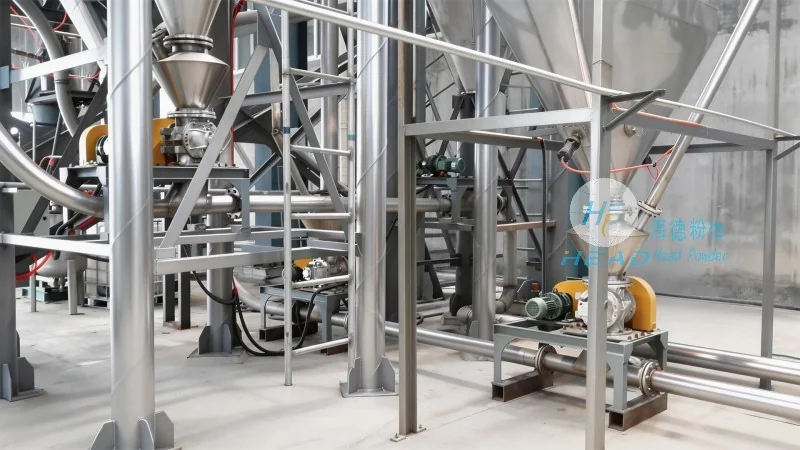
Advantages and Benefits of the Conveying System
The Trinary Positive Electrode Material Powder Conveying System Equipment offers several advantages that make it an ideal choice for battery manufacturers. First, it ensures the consistent quality of the trinary positive electrode material by preventing segregation and agglomeration during transportation. This leads to more uniform battery performance and improved product reliability. Second, the system is designed for high efficiency, with precise control over flow rates and conveying speeds, reducing material waste and operational costs. Third, the equipment is equipped with safety features to handle reactive materials, such as trinary positive electrode powders, which are sensitive to moisture and temperature. These features include sealed pipelines, moisture-proof designs, and temperature control systems. Fourth, the system is modular and scalable, allowing manufacturers to adjust the capacity based on their production needs. This flexibility makes it suitable for both small-scale and large-scale battery production lines. Finally, the system is easy to integrate with other processing equipment, such as mixers and coating machines, enabling seamless production workflows.