

Operation Process and Working Principle of Fully Automatic Material Handling Conveyors
For businesses in various industries, the efficiency and reliability of material handling systems are crucial to maintaining smooth production workflows. A fully automatic material handling conveyor line represents a sophisticated solution designed to automate the movement, sorting, and processing of materials from one stage to another. This article delves into the operation process and working principle of such systems, highlighting how they enhance operational efficiency and reduce manual labor requirements.
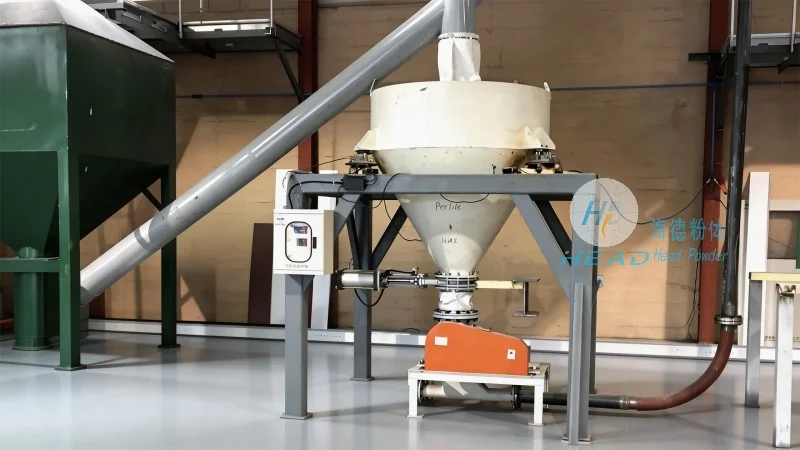
Key Components of a Fully Automatic Material Handling Conveyor System
At the core of a fully automatic material handling conveyor line are several critical components that work in tandem to ensure seamless operation. These components include: input and output mechanisms, conveyor belts or rollers, sorting mechanisms (such as dividers or chutes), control systems (including PLCs and sensors), and power units. Each component plays a vital role in the overall functionality of the system. For instance, input mechanisms, like hoppers or loading stations, receive raw materials or finished products, while output mechanisms, such as discharge chutes or packaging stations, deliver the processed items to their final destination. Conveyor belts or rollers provide the primary means of transporting materials along the line, with sorting mechanisms directing items to the appropriate paths based on predefined criteria. Control systems, equipped with sensors and programmable logic controllers (PLCs), monitor the entire process, ensuring that each step is executed accurately and efficiently. Power units supply the necessary energy to drive the conveyor belts and other moving parts, maintaining consistent operation throughout the production cycle.
Input Mechanisms
Automated loading stations for raw materials
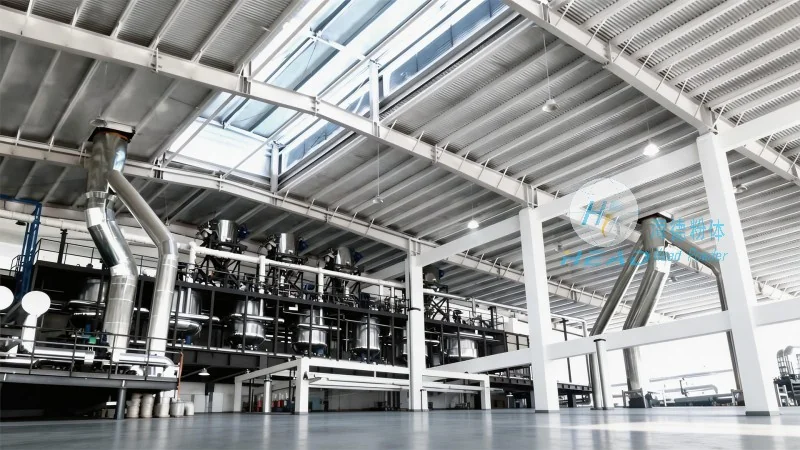
Conveyor System
Belt or roller transport for material movement
Sorting Dividers
Automated separation based on product characteristics
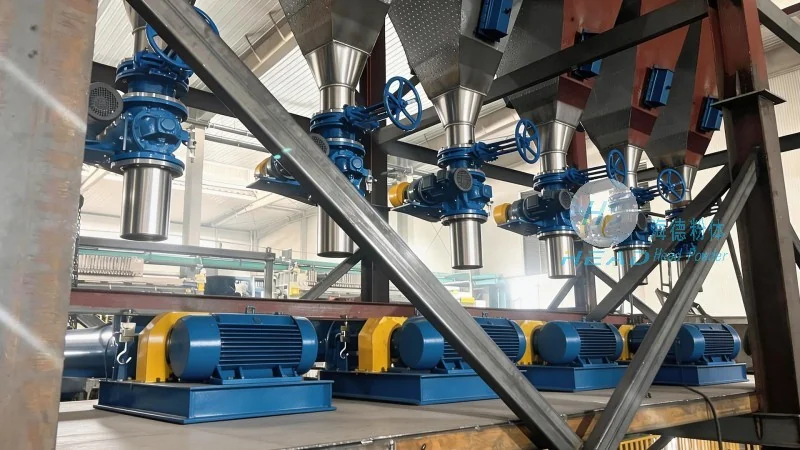
Control System
PLC and sensors for real-time monitoring
Power Units
Electric motors for system operation
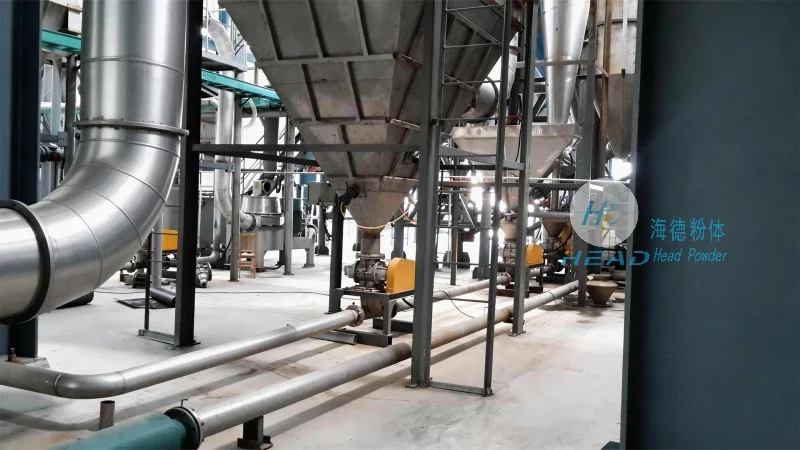
Output Stations
Packaging or storage for processed items
The Operation Process of a Fully Automatic Material Handling Conveyor Line
The operation process of a fully automatic material handling conveyor line typically follows a systematic sequence of steps, each designed to optimize material flow and minimize downtime. The process begins with the loading of materials into the input station. Here, raw materials or partially processed items are fed into the system, often through hoppers or automated loading devices. Once loaded, the materials are transported along the conveyor belts or rollers to the first processing or sorting stage. At this stage, sensors may detect the type or characteristics of the material, triggering the sorting mechanism to direct it to the appropriate path. For example, if the system is designed to sort different product sizes, a sensor may identify the size of each item, and a divider will then separate it from other products. After sorting, the materials proceed to the next processing stage, which could involve packaging, labeling, or further assembly. Each processing step is integrated into the conveyor line, ensuring that materials move continuously without manual intervention. The output stage then collects the processed items and delivers them to the final storage or shipping location. Throughout the entire process, the control system continuously monitors the conveyor speed, material flow, and any potential issues, adjusting parameters as needed to maintain optimal performance.