

Operation Process and Working Principle of Intelligent Centralized Material Conveying Lines
Intelligent centralized material conveying lines represent a sophisticated solution in modern industrial logistics, designed to enhance efficiency and streamline material handling processes. These systems are engineered to integrate advanced technologies, such as automation, real-time monitoring, and data analytics, to optimize the movement of materials within a production environment. The core objective is to reduce manual intervention, minimize downtime, and improve overall operational productivity. By centralizing material flow, these lines ensure that raw materials, components, and finished products are transported seamlessly from one stage of production to another, supporting a more organized and efficient workflow.
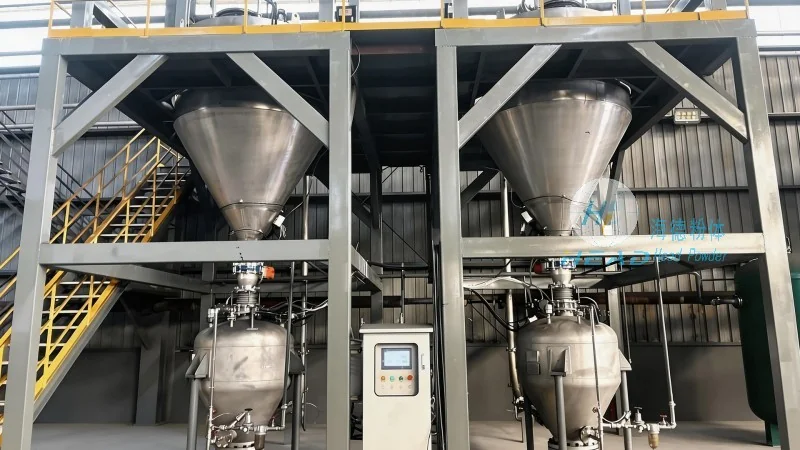
Working Principle of the Intelligent Centralized Material Conveying System
The intelligent centralized material conveying system operates on a principle of coordinated automation, leveraging a combination of mechanical, electrical, and software components. At its heart is a network of conveyors, including belt conveyors, chain conveyors, and vertical lift mechanisms, which are interconnected to form a continuous material flow path. The system is equipped with sensors and IoT devices that continuously monitor the position, speed, and status of materials at each stage. This real-time data is processed by a central control unit, which uses algorithms to optimize the movement of materials, ensuring that they are routed to the correct destination with minimal delay. The control unit can adapt to changes in production demand, adjusting conveyor speeds and routing paths dynamically to maintain optimal efficiency. Additionally, the system incorporates safety features, such as emergency stop buttons and collision detection sensors, to protect both personnel and equipment during operation.
Operation Process of the Intelligent Centralized Material Conveying Line
The operation process of the intelligent centralized material conveying line begins with the intake of raw materials or components at the entry point of the system. Materials are typically loaded onto the primary conveyor using automated feeding mechanisms, such as hoppers or robotic arms. Once loaded, the materials are transported along the conveyor network, passing through various processing stations, such as sorting, packaging, or quality inspection. At each station, sensors and cameras may be used to verify the correct handling of materials and to trigger further actions, such as diverting items to a secondary conveyor or initiating quality checks. The system then continues to transport the processed materials to the exit point, where they are either stored in a warehouse or transferred to the next production stage. Throughout the process, the central control unit continuously monitors the entire operation, adjusting parameters in real-time to address any deviations from the planned workflow. This dynamic adjustment ensures that the system remains responsive to changing production requirements, maintaining a consistent and efficient material flow.
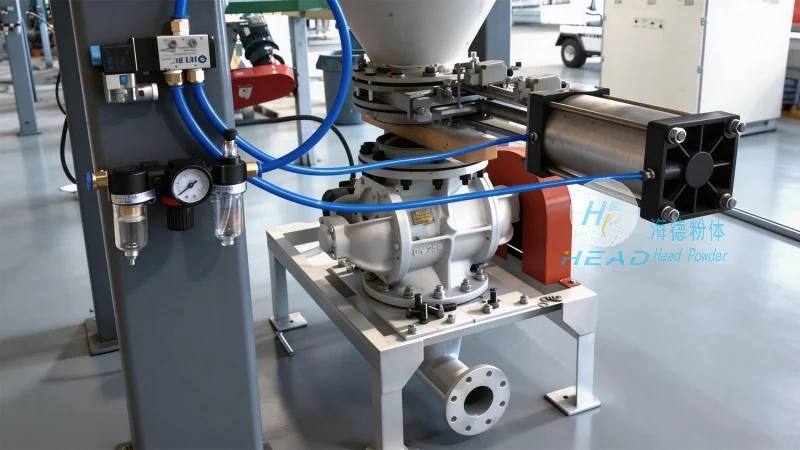
Key Features and Advantages of the Intelligent Centralized Material Conveying System
The intelligent centralized material conveying system offers several key features that contribute to its effectiveness in industrial settings. One of the primary features is its ability to integrate with existing production lines, allowing for seamless integration without major disruptions. The system is also designed for scalability, enabling businesses to expand or modify the conveyor network as their production needs evolve. Another notable feature is the real-time monitoring capability, which provides operators with instant visibility into the status of the entire system, facilitating quick decision-making and problem resolution. The system’s automation reduces the need for manual labor, leading to lower labor costs and improved safety. Additionally, the use of data analytics allows for continuous optimization of the material flow, leading to increased productivity and reduced waste. The system is also energy-efficient, with adjustable conveyor speeds and power-saving modes that minimize energy consumption. These features collectively make the intelligent centralized material conveying system a valuable asset for businesses seeking to enhance their material handling capabilities and improve overall operational efficiency.
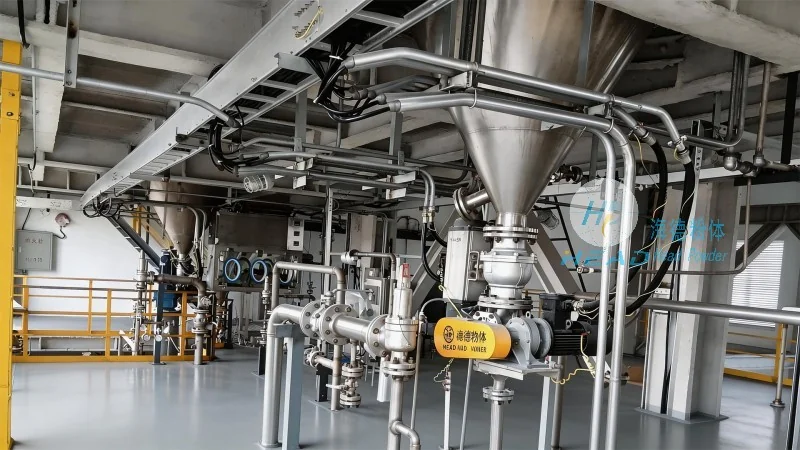
Application Scenarios for the Intelligent Centralized Material Conveying System
The intelligent centralized material conveying system is suitable for a wide range of industrial applications, particularly in sectors that require high-volume material handling and precise control. Common applications include manufacturing plants, where it is used to transport raw materials to assembly lines and finished products to packaging stations. It is also widely used in logistics and warehousing facilities, where it helps to streamline the movement of goods between storage areas and shipping docks. The system is particularly beneficial in industries such as automotive, electronics, and pharmaceuticals, where the handling of small, delicate components requires high precision and minimal damage. Additionally, the system can be adapted for use in assembly lines that require multiple material inputs, such as in the production of consumer electronics or medical devices. By centralizing material flow, these systems help to reduce bottlenecks and improve the overall throughput of production lines, making them an essential component of modern industrial operations.
Conclusion and Company Information
Intelligent centralized material conveying lines are a critical component of modern industrial logistics, offering significant advantages in terms of efficiency, productivity, and safety. By leveraging advanced automation and real-time monitoring, these systems ensure that materials are transported seamlessly and efficiently throughout the production process. The operation process involves the coordinated movement of materials through a network of conveyors, guided by a central control unit that adapts to changing production demands. The working principle combines mechanical, electrical, and software components to create a dynamic and responsive system. The key features and advantages of the system, including scalability, real-time monitoring, and energy efficiency, make it a valuable solution for businesses seeking to enhance their material handling capabilities. The system is applicable across various industries, including manufacturing, logistics, and warehousing, and is particularly beneficial for high-volume production environments. Shandong HeadPowder Engineering Co., Ltd., a leading provider of such systems, specializes in designing and implementing intelligent material conveying solutions tailored to the specific needs of clients. With its headquarters in Shandong, China, the company leverages years of experience and advanced technology to deliver high-quality, reliable systems that meet the demands of modern industrial operations. The intelligent centralized material conveying line represents a forward-thinking approach to material handling, and with the support of companies like Shandong HeadPowder Engineering Co., Ltd., businesses can achieve greater efficiency and competitiveness in their operations.