

Operation Process and Working Principle of PVC Granule Material Conveying Line
Shandong HeadPowder Engineering Co., Ltd. is a professional manufacturer specializing in the design, production, and installation of material conveying systems. With a focus on high-quality solutions for industrial applications, the company provides comprehensive services tailored to the needs of various industries. HeadPowder's commitment to precision engineering and reliable performance ensures that clients receive efficient and durable conveying solutions for their operations.
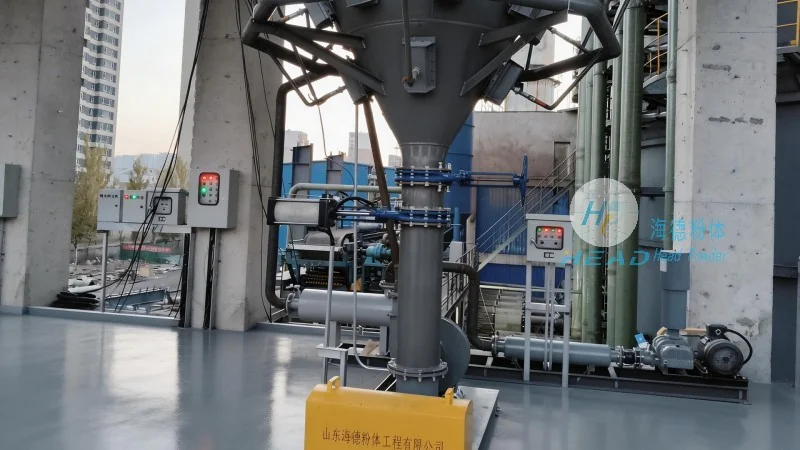
Operation Process of the PVC Granule Material Conveying Line
The PVC granule material conveying line operates through a series of coordinated components that ensure the smooth and continuous movement of material from the source to the destination. The process begins with the loading of PVC granules into the initial hopper or storage bin. From there, the material is fed into the conveyor system, which may include screw conveyors, belt conveyors, or pneumatic systems depending on the specific design requirements. The conveying mechanism then transports the granules through the system, maintaining consistent flow rates and preventing blockages. At intermediate points, the material may be transferred to different sections of the line, such as elevators or transfer points, which adjust the height and direction of the material movement. The final stage involves the discharge of the PVC granules into the receiving container or processing unit, completing the conveying cycle. Throughout the operation, sensors and control systems monitor the flow, ensuring optimal performance and safety. For example, level sensors in the hopper detect the material level and trigger feeding mechanisms to maintain a steady supply. Speed controllers adjust the motor speed of the conveyor to regulate the flow rate, preventing overloading or underflow. Emergency stop buttons and safety interlocks are integrated into the system to halt operation in case of malfunctions or hazards, ensuring operator safety and equipment protection.

Working Principle of the PVC Granule Material Conveying Line
The working principle of the PVC granule material conveying line is based on mechanical or pneumatic forces that facilitate the movement of solid materials. For mechanical systems, such as screw conveyors, the rotation of the screw flights creates a pushing action that propels the granules forward along the trough. The design of the screw, including its pitch (the distance between adjacent flights) and diameter, determines the capacity and speed of the conveying process. A larger pitch allows for higher material throughput, while a smaller pitch provides better control over the material flow. The trough design, typically U-shaped or V-shaped, supports the material and reduces friction, enhancing the conveying efficiency. Belt conveyors utilize a continuous belt that moves the material by friction, with idlers and pulleys maintaining the belt tension and direction. The belt speed is controlled by electric motors, and the tension is adjusted using tensioning devices to prevent slippage or excessive wear. Pneumatic conveying systems, on the other hand, use compressed air to create a flow of material through a pipeline. The air pressure and velocity are critical factors, as higher pressure and velocity increase the material's suspension and movement. The system may include cyclone separators or filters to remove dust or debris from the air before it is recycled or vented. The selection of the conveying method depends on factors like material characteristics, distance, and environmental considerations. For PVC granules, which are typically free-flowing and non-abrasive, mechanical systems are often preferred due to their simplicity and reliability. However, in applications requiring long-distance or high-temperature conveying, pneumatic systems may be more suitable. The working principle ensures that the material is transported efficiently while minimizing energy consumption and wear on the equipment.
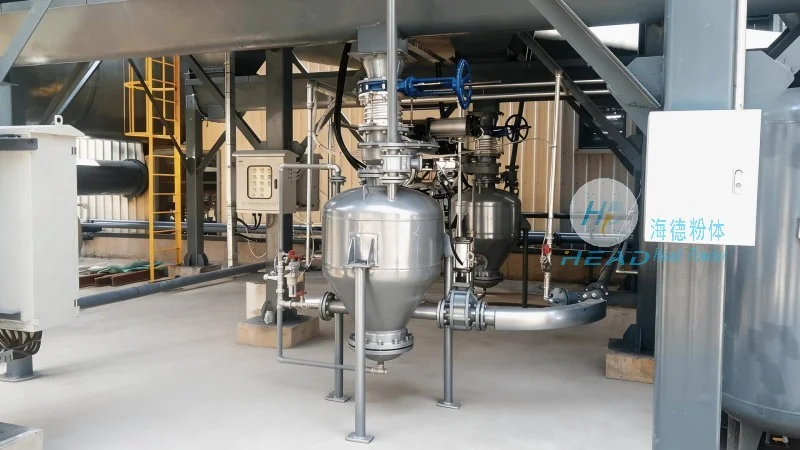
Key Components and Their Roles
Several key components are integral to the operation of the PVC granule material conveying line, each playing a specific role in ensuring the system's efficiency and reliability. The initial hopper or storage bin serves as the material reservoir, holding the PVC granules until they are needed. The hopper is designed with a sloped bottom to facilitate material flow and prevent bridging or caking. A feeder, such as a rotary valve or star feeder, controls the discharge rate from the hopper, ensuring a consistent supply to the conveyor. The conveyor itself, whether screw, belt, or pneumatic, is the primary component responsible for moving the material. The drive system, including electric motors and gearboxes, provides the necessary power to operate the conveyor. Idlers or rollers support the belt or trough, maintaining proper alignment and reducing friction. Sensors, such as level detectors, flow meters, and temperature sensors, monitor the system's performance and provide feedback to the control system. The control panel, equipped with programmable logic controllers (PLCs) or human-machine interfaces (HMIs), manages the operation of all components, allowing for adjustments and troubleshooting. Safety devices, including emergency stop buttons, interlocks, and protective guards, ensure the system operates safely and complies with regulatory standards.
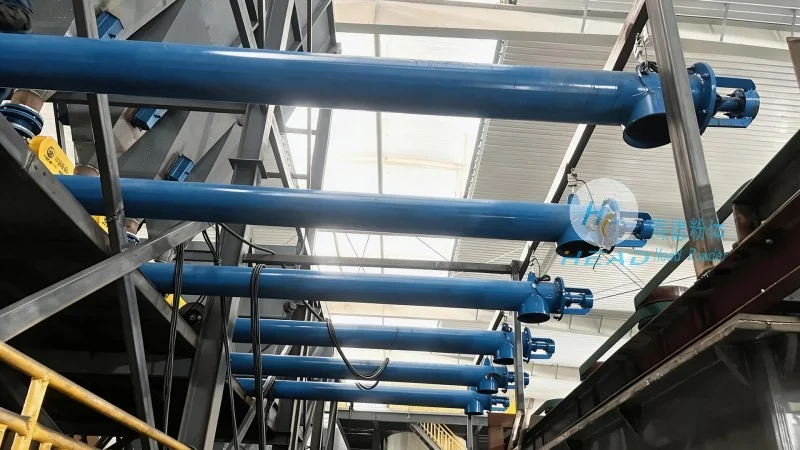
Advantages and Applications
The PVC granule material conveying line offers several advantages that make it suitable for various industrial applications. One of the primary benefits is its ability to handle large volumes of material efficiently, reducing labor costs and increasing production throughput. The system is also designed to minimize material degradation, as the conveying process is gentle and avoids excessive friction or impact. This is particularly important for PVC granules, which can be sensitive to heat or mechanical stress. The flexibility of the system allows for customization to meet specific requirements, such as varying conveyor lengths, heights, or material types. Additionally, the use of sensors and control systems enables real-time monitoring and adjustment, improving operational efficiency and reducing downtime. The conveying line is widely used in industries such as plastics manufacturing, chemical processing, food processing, and pharmaceuticals, where the handling of granular materials is essential. In plastics manufacturing, for example, the line is used to transport PVC granules from storage to extrusion or molding machines. In chemical processing, it may be used to move raw materials or intermediates between processing units. The reliability and durability of the system ensure consistent performance over long periods, making it a cost-effective solution for industrial operations.