

Operation Process and Working Principle of a Manganese Carbonate Powder Pneumatic Conveying Equipmen
For industries dealing with manganese carbonate powders, efficient and reliable material handling is crucial. The pneumatic conveying system, specifically designed for handling fine powders like manganese carbonate, offers a solution that minimizes dust, reduces material loss, and ensures smooth operation. This equipment is a vital component in processing plants where manganese carbonate is processed, stored, or transported to various production stages. The following sections will detail the operation process and working principle of such a system, providing insights into how it functions to meet industrial demands.
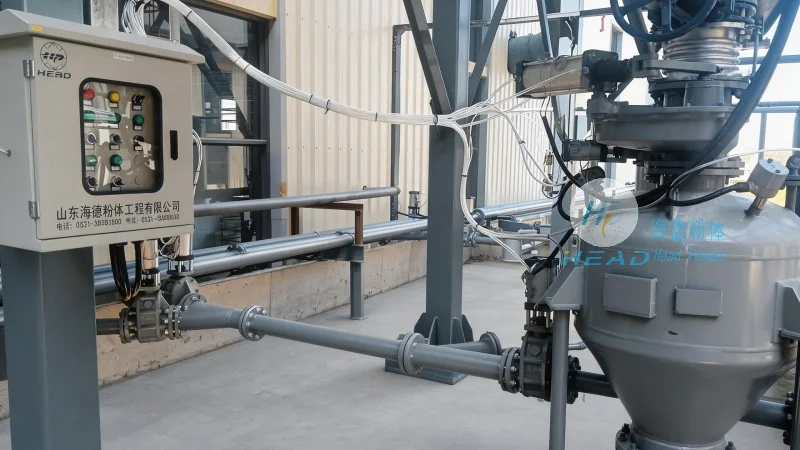
Company Overview: Shandong HeadPowder Engineering Co., Ltd.
HeadPowder, as the company behind this advanced pneumatic conveying equipment, is a leading manufacturer in the field of powder processing technology. With a focus on innovation and precision engineering, HeadPowder has established itself as a trusted partner for businesses requiring high-quality solutions for material handling. The company’s headquarters is located in Shandong, China, where it leverages local resources and expertise to develop cutting-edge equipment tailored to the needs of the chemical and mining industries. By combining years of experience and a commitment to quality, HeadPowder ensures that its products, including the manganese carbonate powder pneumatic conveying system, meet stringent industry standards and customer expectations.
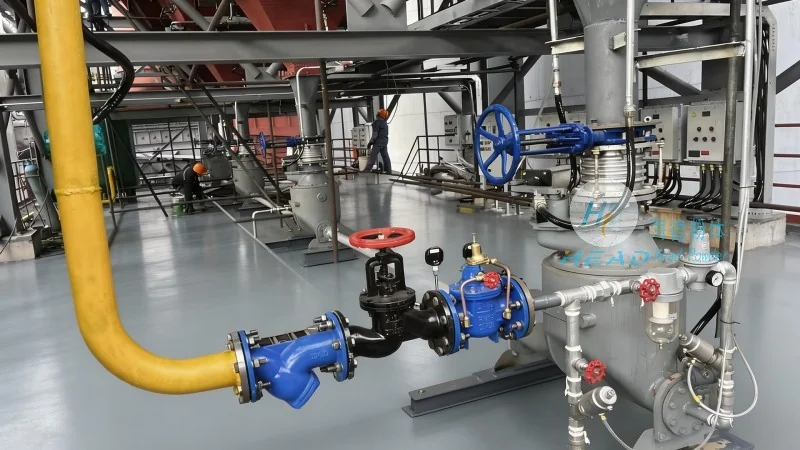
Key Components of the Pneumatic Conveying System
The pneumatic conveying equipment for manganese carbonate powders consists of several key components that work in tandem to facilitate the material transport process. These components include the hopper, feeder, air compressor, conveying line, and receiver. Each component plays a critical role in ensuring the system operates efficiently and safely. The hopper is designed to store the manganese carbonate powder, providing a stable feed source. The feeder, typically a rotary valve or a screw feeder, controls the flow rate of the powder into the system, preventing overloading and maintaining consistent material delivery. The air compressor generates the necessary air pressure to move the powder particles through the conveying line. The conveying line, often made of stainless steel or other corrosion-resistant materials, is designed to withstand the abrasive nature of the manganese carbonate powder and the pressure of the air flow. The receiver is the final component, where the transported powder is collected and discharged for further processing or storage.
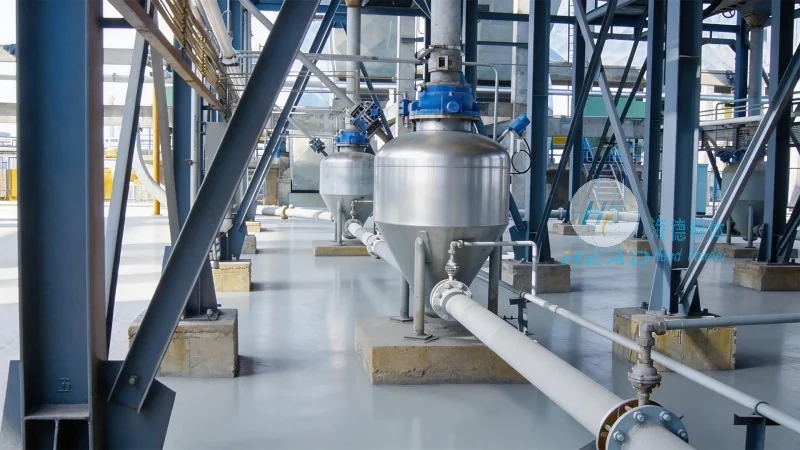
Operation Process of the Pneumatic Conveying Equipment
The operation process of the manganese carbonate powder pneumatic conveying system involves several sequential steps that ensure the smooth and continuous transport of the material. The process begins with the loading of the manganese carbonate powder into the hopper. The feeder then regulates the flow of the powder into the conveying line, where it is mixed with the compressed air from the air compressor. As the air flows through the line, it creates a flow of air and powder particles, known as a slurry or a dense phase flow, depending on the system design. The conveying line transports the mixture to the receiver, where the air and powder are separated. The air is typically filtered and recycled back to the air compressor, while the manganese carbonate powder is collected in the receiver. This process is repeated continuously, allowing for the efficient transport of large quantities of powder over short or long distances, depending on the system configuration.
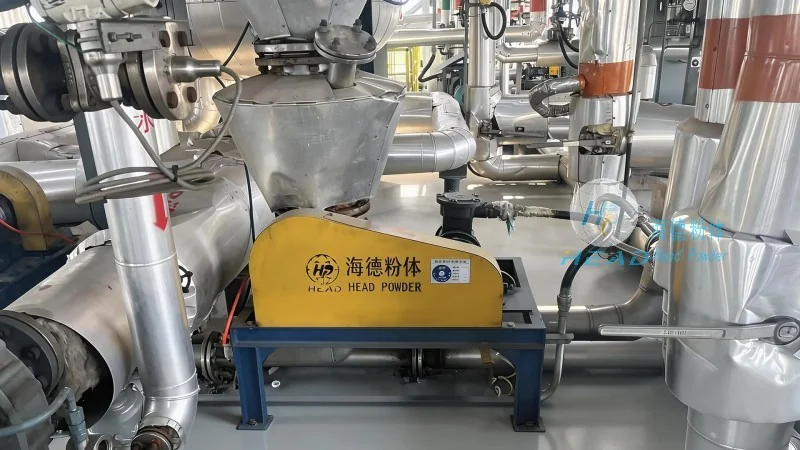
Working Principle of the Pneumatic Conveying System
The working principle of the pneumatic conveying equipment for manganese carbonate powders is based on the principles of fluid dynamics and particle transport. The system operates by using compressed air to create a flow that carries the powder particles through the conveying line. There are two main types of pneumatic conveying systems: dense phase and dilute phase. Dense phase systems operate at higher air pressures and lower air velocities, resulting in a more concentrated mixture of air and powder. This method is suitable for transporting fine powders like manganese carbonate over longer distances with minimal degradation. Dilute phase systems, on the other hand, operate at lower air pressures and higher velocities, creating a more dilute mixture. These systems are typically used for shorter distances or when the powder is less abrasive. The choice between these systems depends on factors such as the distance to be covered, the particle size and density of the powder, and the required flow rate. In both cases, the air flow provides the necessary force to move the powder particles, while the design of the conveying line and components ensures that the material is transported efficiently without clogging or excessive wear.