

Operation Process and Working Principle of Pneumatic Conveying for Alloy Powder Materials
For industries dealing with alloy powders, efficient material handling is crucial. Pneumatic conveying systems offer a reliable solution to transport these materials safely and effectively. This article explores the operation process and working principle of such systems, highlighting the technology's benefits and practical applications.
Working Principle of Pneumatic Conveying for Alloy Powders
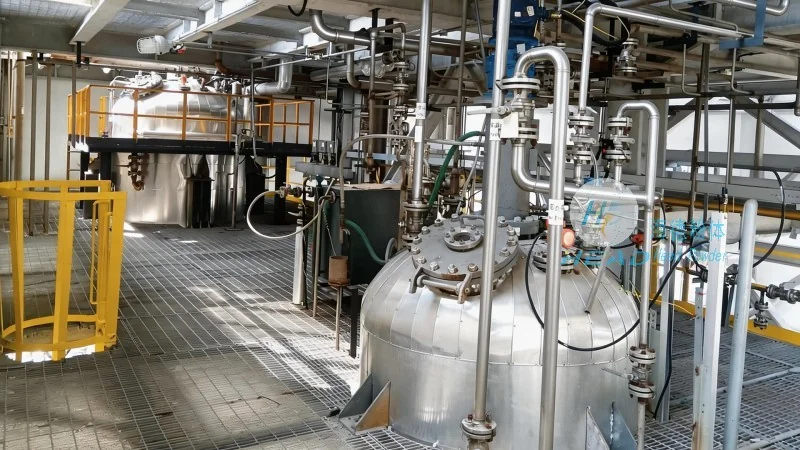
The core of a pneumatic conveying system lies in its ability to use air pressure to move powder materials through a pipeline. The system typically consists of a blower or compressor, a hopper for material storage, a conveyor line, and a receiver for the discharged material. When the system operates, compressed air is introduced into the hopper, creating a pressure differential that lifts the powder particles and propels them along the pipeline. The air flow carries the powder, ensuring that even fine or cohesive alloy powders are transported without clogging or degradation.
Operation Process of Pneumatic Conveying Systems
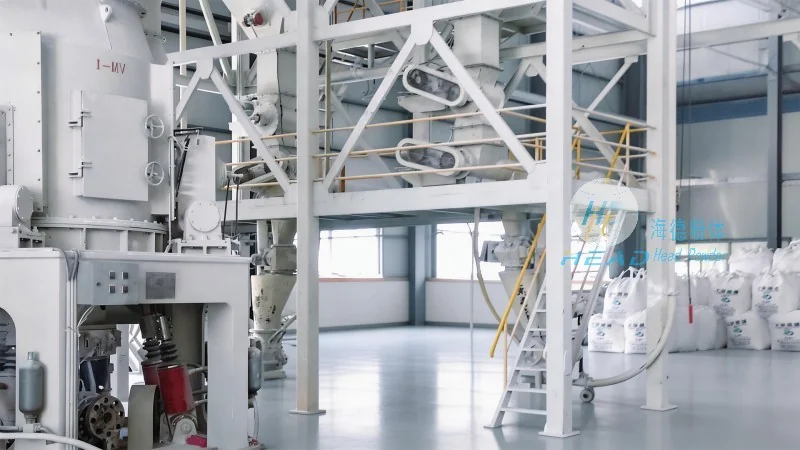
The operation of a pneumatic conveying system for alloy powders involves several key steps. First, the alloy powder is loaded into the hopper from a storage silo or container. The hopper is equipped with a feeder that controls the flow rate of the material into the conveyor line. Next, the blower or compressor starts, generating the necessary air pressure to initiate the conveying process. As the air flows through the pipeline, it picks up the powder particles and transports them to the destination point, such as a processing unit or storage tank. At the receiving end, the air is separated from the powder, often using a cyclone or filter, and the air is discharged back into the system or released to the atmosphere. The powder is then collected in the receiver, ready for further processing or use.
Advantages of Pneumatic Conveying for Alloy Powders
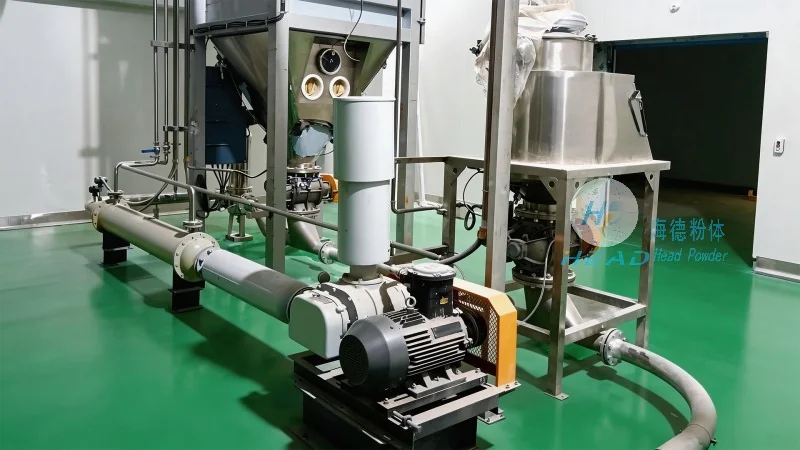
When handling alloy powders, pneumatic conveying systems provide several advantages over traditional methods like belt conveyors or manual handling. These include reduced risk of contamination, as the material is enclosed within the pipeline, preventing exposure to dust and moisture. Additionally, the system offers high efficiency in terms of speed and capacity, allowing for continuous operation with minimal downtime. The technology also minimizes material degradation, as the gentle air flow prevents abrasion or agglomeration of the powder particles. For industries that require precise control over material flow, such as aerospace or automotive manufacturing, pneumatic conveying ensures consistent quality and reliability.
About Shandong HeadPowder Engineering Co., Ltd.
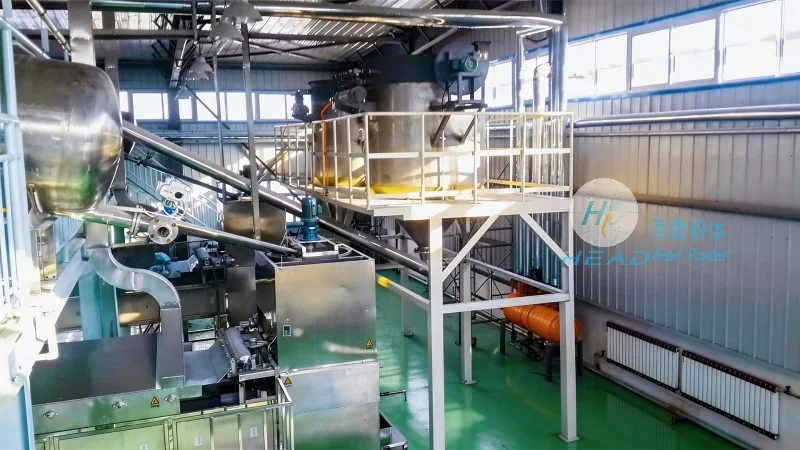
HeadPowder, a leading manufacturer of pneumatic conveying systems, specializes in providing customized solutions for alloy powder handling. With a focus on innovation and quality, the company has developed advanced systems tailored to the unique requirements of alloy powders. Based in Shandong, China, HeadPowder leverages its expertise to deliver efficient and reliable material handling solutions for various industrial applications. The company's commitment to customer satisfaction and technological advancement ensures that clients receive systems that meet their specific needs and operational goals.