

Operation Process and Working Principle of Pneumatic Conveying for Lightweight Cement Materials
For industries dealing with lightweight cement materials, efficient material handling is crucial to maintain production efficiency and operational safety. Pneumatic conveying systems, particularly those designed for lightweight cement, offer a reliable solution that minimizes dust, reduces labor costs, and enhances overall process control. This article explores the operation process and working principles of pneumatic conveying systems tailored for lightweight cement materials, highlighting the technical aspects and practical applications that make such systems effective in industrial settings.
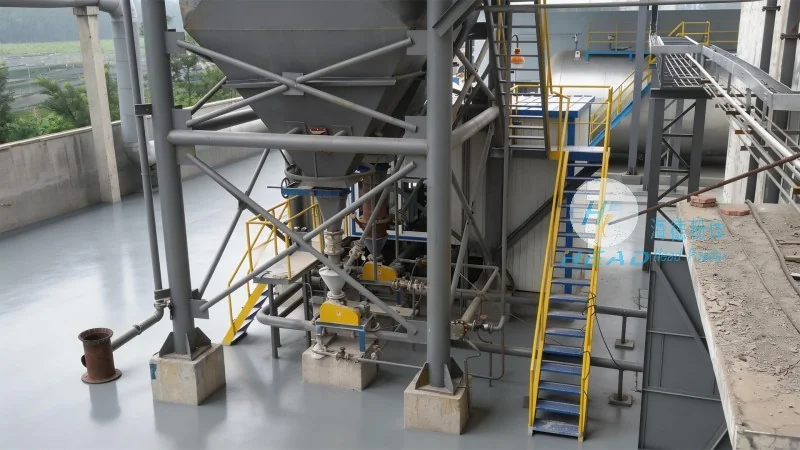
Introduction to HeadPowder Engineering and Pneumatic Conveying Solutions
Shandong HeadPowder Engineering Co., Ltd., a leading provider of material handling technologies, specializes in developing advanced pneumatic conveying systems for various industrial applications. With a focus on innovation and customer-centric design, HeadPowder offers customized solutions that address the unique challenges of transporting lightweight cement materials. The company's expertise lies in integrating robust engineering with practical operational needs, ensuring that their systems deliver consistent performance and long-term reliability. Based in Shandong, China, HeadPowder leverages local manufacturing capabilities and global market insights to deliver high-quality equipment that meets international standards and client-specific requirements.
Pneumatic Conveying: An Overview of the Technology
Pneumatic conveying is a method of transporting bulk materials through a pipeline using a stream of pressurized air or vacuum. For lightweight cement materials, this technology is particularly effective due to the low density and fine particle size of the material. Unlike traditional mechanical conveying systems, pneumatic conveying eliminates the need for moving parts in the conveying line, reducing maintenance requirements and enhancing safety. The system typically consists of a material feed hopper, a conveyor line, and a discharge device, all connected to a blower or vacuum pump that generates the necessary airflow. This setup allows for the seamless movement of lightweight cement from the source to the destination, whether it's a storage silo, a processing unit, or a packaging area.
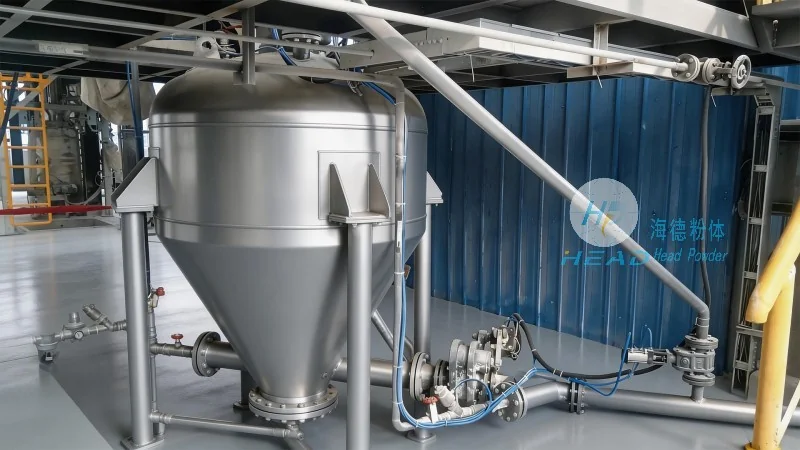
Key Components of a Lightweight Cement Pneumatic Conveying System
The effectiveness of a pneumatic conveying system for lightweight cement depends on several key components that work in harmony to ensure efficient material transport. The primary components include: (1) The Material Feed Hopper: This component is designed to store and feed the lightweight cement into the conveying line. It often features a hopper with a conical bottom to facilitate smooth material flow and prevent blockages. (2) The Airflow Generation Unit: This is the heart of the system, which can be a positive pressure blower or a vacuum pump. The blower provides a continuous stream of air to push the material through the pipeline, while the vacuum pump creates a suction force to draw the material. For lightweight cement, a positive pressure system is commonly used due to its ability to handle fine particles and maintain consistent airflow. (3) The Conveying Pipeline: The pipeline is typically made of stainless steel or other corrosion-resistant materials to withstand the abrasive nature of cement particles and prevent material buildup. The diameter and length of the pipeline are carefully designed to optimize airflow and minimize pressure drop. (4) The Discharge Device: This component is responsible for releasing the material from the pipeline at the destination point. It may include a rotary valve, a gate valve, or a silo discharge system, depending on the application. The discharge device ensures that the material is released in a controlled manner, preventing dust emissions and maintaining process integrity.
The Operation Process of Pneumatic Conveying for Lightweight Cement
The operation process of a pneumatic conveying system for lightweight cement involves several sequential steps that ensure smooth and efficient material transport. The process begins with the loading of the lightweight cement into the feed hopper. The material is then fed into the pipeline by the airflow generated by the blower. As the material enters the pipeline, it is suspended in the air stream and carried to the discharge point. The speed of the air and the design of the pipeline determine the velocity at which the material is conveyed, with optimal conditions maintaining a balance between material transport and energy efficiency. Once the material reaches the discharge point, it is released into the destination container or processing unit. The system may also include a dust collection system to capture any particles that escape during the conveying process, ensuring compliance with environmental regulations and maintaining a clean working environment.
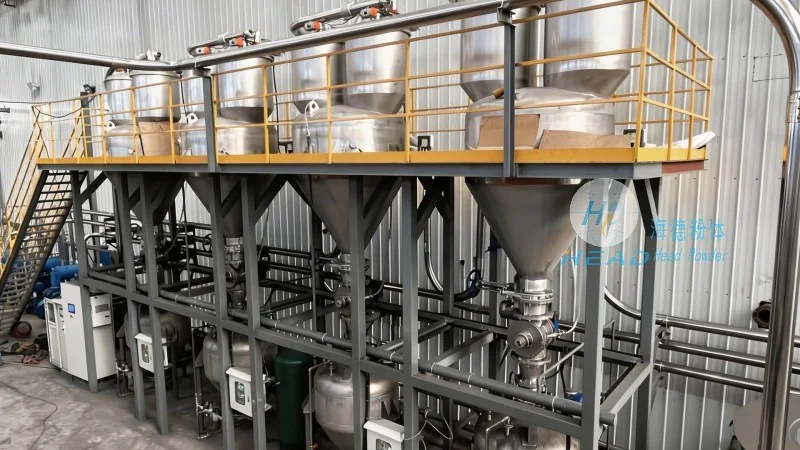
Working Principles: How Pneumatic Conveying Transports Lightweight Cement
The working principle of pneumatic conveying for lightweight cement is based on the interaction between the material particles and the air stream. In a positive pressure system, the blower forces air into the pipeline at a high velocity, creating a pressure difference that propels the material forward. The lightweight cement particles are entrained in the air stream, and their movement is governed by the drag force exerted by the air. The drag force is proportional to the particle size, density, and the velocity of the air. For fine particles like lightweight cement, the drag force is sufficient to keep them suspended and transported efficiently. The system's design, including the pipeline diameter, length, and air velocity, is critical to achieving optimal conveying performance. A well-designed system ensures that the material is conveyed without excessive pressure drop, which would lead to reduced airflow and potential blockages. Additionally, the system may incorporate features such as airlocks and check valves to prevent backflow and maintain the integrity of the conveying process.
Benefits of Using Pneumatic Conveying for Lightweight Cement
Implementing a pneumatic conveying system for lightweight cement offers numerous benefits that enhance operational efficiency and reduce costs. First, the system minimizes dust generation compared to traditional mechanical conveying methods, improving workplace safety and reducing the need for dust control measures. Second, it reduces labor costs by automating the material handling process, eliminating the need for manual loading and unloading. Third, the system enhances process control by providing consistent material flow rates and preventing material degradation or contamination. Fourth, it increases production efficiency by reducing downtime associated with maintenance and material blockages. Finally, the system is versatile and can be integrated with existing industrial processes, making it a cost-effective solution for upgrading material handling capabilities.