

Operation Process and Working Principle of Phosphates Material Pneumatic Conveying Line
Shandong HeadPowder Engineering Co., Ltd., commonly known as headpowder, is a professional manufacturer and supplier specializing in pneumatic conveying systems. The company is located in Shandong, China, and has been dedicated to providing high-quality industrial solutions for material handling and transportation. With years of experience in the field, headpowder offers tailored solutions to meet the diverse needs of clients in various industries.
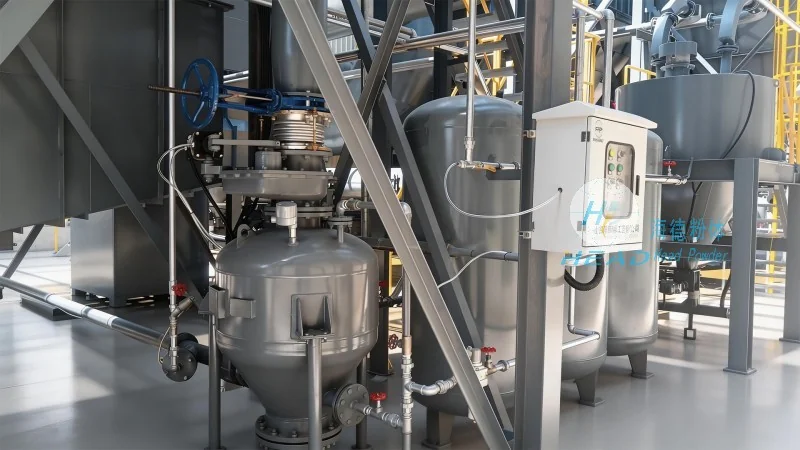
Phosphates Material Pneumatic Conveying Line: Operation Process and Working Principle
A phosphates material pneumatic conveying line is a sophisticated system designed to transport phosphate-based materials, such as sodium phosphate, through a pipeline using air or other gas as the conveying medium. This technology offers an efficient and reliable method for handling bulk materials, ensuring minimal product degradation and maintaining a clean, dust-free environment. The system is particularly suitable for applications where traditional mechanical conveying methods may be impractical or inefficient.
The operation process of a phosphates material pneumatic conveying line typically involves several key steps. First, the phosphate material is fed into the hopper or storage silo. From there, the material is drawn into the conveying line by a vacuum or pressure source, depending on the system design. The material is then mixed with the conveying air, forming a suspension that travels through the pipeline to the destination point, such as a processing plant or storage facility. The system is equipped with control valves, filters, and pressure regulators to ensure smooth and consistent operation.
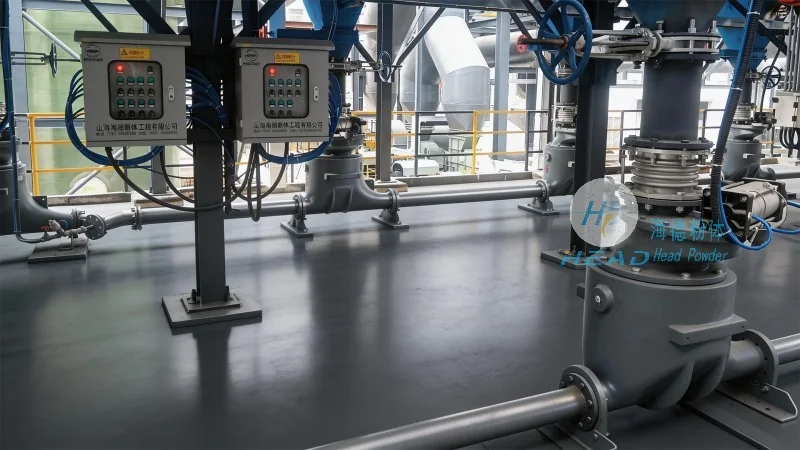
The working principle of the pneumatic conveying line is based on the principles of fluid dynamics and particle transport. In a positive pressure system, air is blown into the pipeline, creating a pressure higher than the ambient air, which pushes the material along the pipeline. In a negative pressure (or vacuum) system, air is drawn out of the pipeline, creating a vacuum that pulls the material from the source to the destination. The design of the system, including the pipe diameter, length, and inclination, is critical to achieving optimal conveying efficiency and minimizing energy consumption. The use of appropriate air velocities and particle sizes ensures that the material is transported without clogging or excessive wear on the equipment.
Key components of the phosphates material pneumatic conveying line include the material feeder, the conveying pipeline, the air compressor or vacuum pump, the control valves, and the dust collection system. The material feeder is responsible for feeding the phosphate material into the system at a controlled rate, while the pipeline transports the material and air mixture. The air compressor or vacuum pump provides the necessary pressure or vacuum to move the material. Control valves regulate the flow of air and material, ensuring that the system operates within safe and efficient parameters. The dust collection system, such as a cyclone or baghouse, captures any fine particles that may be released during the conveying process, maintaining a clean and safe working environment.
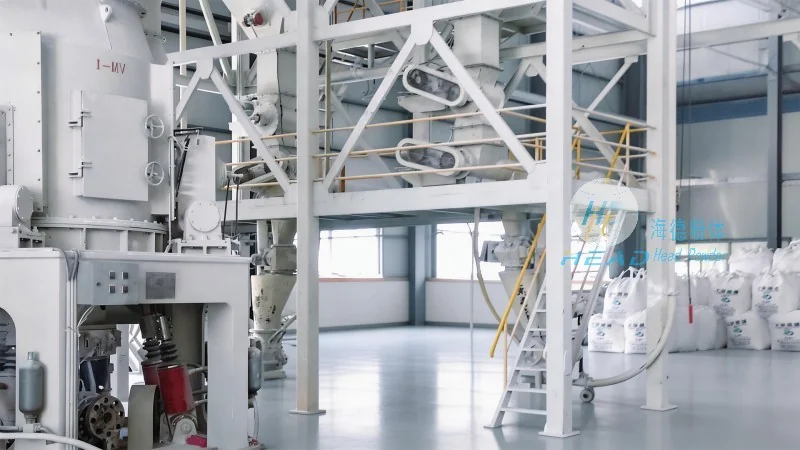
During operation, the phosphates material pneumatic conveying line operates continuously, with the material being transported from the source to the destination in a controlled manner. The system is designed to handle varying material characteristics, such as different particle sizes, moisture content, and bulk density. The use of adjustable air flow rates and pressure settings allows for optimization of the conveying process to meet specific application requirements. Regular maintenance and monitoring of the system components are essential to ensure long-term reliability and performance.
Overall, the phosphates material pneumatic conveying line is an effective and efficient solution for transporting phosphate-based materials. By leveraging pneumatic conveying technology, companies can improve their material handling processes, reduce labor costs, and enhance product quality. The system's ability to handle bulk materials in a clean and controlled environment makes it an ideal choice for industries such as chemical manufacturing, food processing, and pharmaceuticals, where product purity and safety are paramount.